Anxiety doesn’t just live in the mind. It often shows up in the body first. Source: blog.calm.com.
Common Physical Symptoms of Anxiety
People frequently notice physical signs before they realize they’re anxious.
- Racing heart (palpitations): A fast or fluttering heartbeat is one of the most recognized signs. It happens when the body releases adrenaline in response to perceived threats.
- Shortness of breath: Breathing becomes shallow and quick. This can make a person feel like they’re suffocating. It’s linked to lower carbon dioxide levels in the blood.
- Chest tightness or pain: Muscle tension in the chest area can cause pressure or mild discomfort. This is common during anxiety. However, sudden or severe chest pain, especially with sweating or pain spreading to the arm or jaw, requires medical attention.
- Dizziness or lightheadedness: Fast breathing can reduce blood flow to the brain, leading to a feeling of faintness or being spaced out.
- Tingling or numbness: Nerve signals can be disrupted by low carbon dioxide. This causes a pins-and-needles sensation in hands, feet, or face. It usually passes quickly. But sudden numbness on one side or difficulty speaking needs urgent care.
- Sweating: Sweat glands activate during stress. This happens even when a person isn’t hot. Sweating is common on palms, underarms, and face.
- Nausea or upset stomach: The gut and brain are connected through the vagus nerve. Anxiety can slow digestion, leading to nausea, cramping, or an urgent need to use the bathroom.
- Dry mouth: Saliva production slows during stress. This leads to a dry or sticky mouth. It can make speaking feel harder.
- Muscle tension, aching, or trembling: Anxiety primes muscles for action. Prolonged tension can cause stiffness or subtle shaking, especially in hands, legs, or jaw.
- Headaches: Tension headaches often appear with anxiety. They feel like a band around the head or pressure in the neck and shoulders.
- Difficulty sleeping: Anxious thoughts and a physically alert body make it hard to fall or stay asleep. Poor sleep can worsen anxiety the next day.
- Fatigue: The stress response uses energy. Ongoing anxiety can leave people feeling tired, even with little physical effort.
Why Anxiety Triggers Physical Symptoms
When the brain senses a threat, it activates the sympathetic nervous system. This triggers the fight-flight-freeze-fawn response.
It releases hormones like adrenaline and cortisol. These prepare the body for action. Heart rate increases, breathing quickens, muscles tense, and digestion slows.
These reactions are useful in real danger. But they don’t always distinguish between real threats and everyday stress.
A tense conversation or a looming deadline can trigger this response. The body reacts as if it’s in danger—even when no actual threat exists.
For most people, symptoms rise and fall with the stress. But when anxiety is ongoing, the physical signs can persist longer.
How to Ease Physical Symptoms of Anxiety
There’s no instant fix for anxiety. But several tools can help reduce physical symptoms, both in the moment and over time.
Slow Your Breathing
Controlled breathing helps shift the body from stress to rest. Research shows that slow, deep breathing can calm the nervous system.
Try this: Inhale through your nose for four counts. Exhale slowly through your mouth for six counts. Repeat for a few minutes. This pattern encourages the parasympathetic nervous system to activate.
Box breathing is another option: Inhale for four counts, hold for four, exhale for four, hold for four. Repeat. This rhythm helps regulate breathing and mental focus.
Breathe to Calm Down is a guided session with Chibs Okereke that supports this practice.
Ground Yourself
Grounding pulls attention from anxious thoughts to the present moment.
Try the 5–4–3–2–1 technique:
- Notice five things you can see
- Four things you can touch
- Three things you can hear
- Two things you can smell
- One thing you can taste
This method helps reconnect with the environment. It interrupts the cycle of anxious thinking.
Tamara Levitt’s Grounding session on Calm guides you through this process.
Move Your Body
Physical movement helps release tension. Even a short walk can ease anxiety.
Exercise is known to reduce anxiety symptoms over time. It helps regulate stress hormones and improves mood.
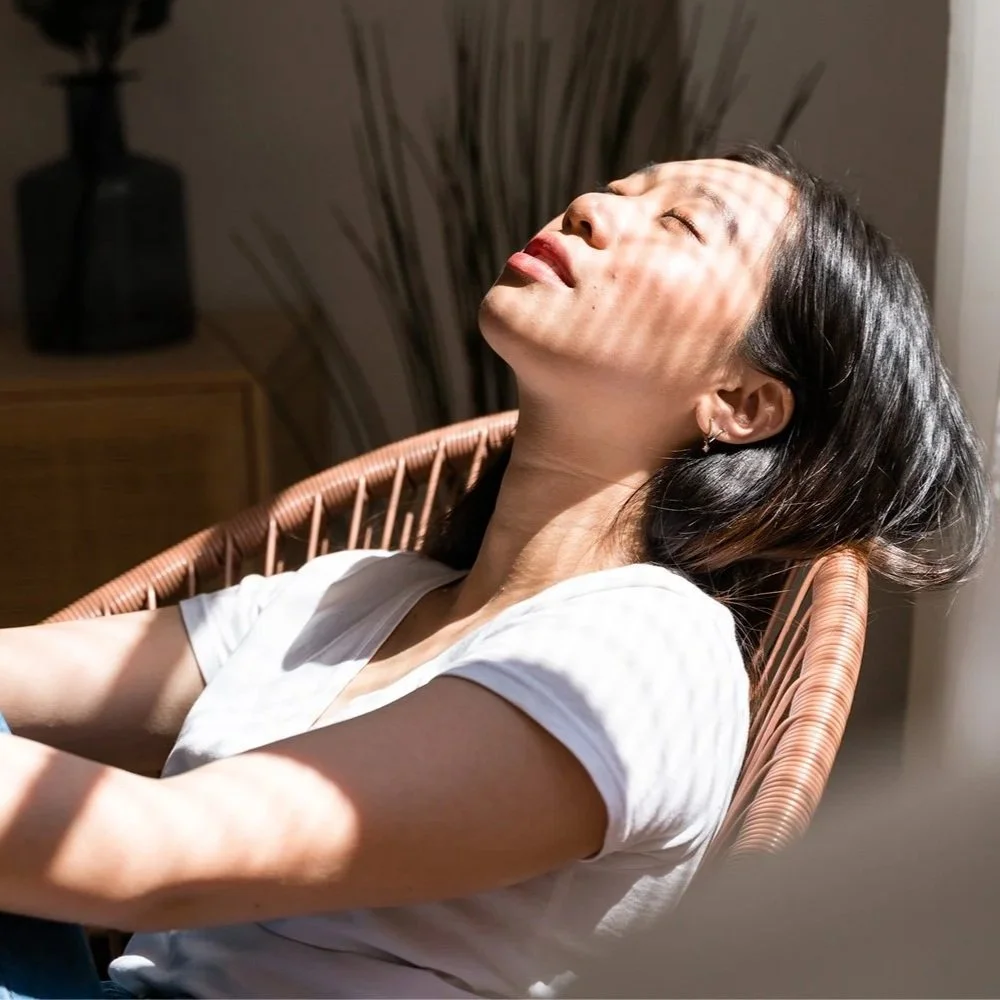
Mindful Movement with Mel Mah offers gentle, non-judgmental awareness during movement.
Try Progressive Muscle Relaxation
This technique involves tensing and releasing muscle groups. It helps reduce physical tension.
Start with your feet. Tense muscles for five seconds. Release completely. Move up through your calves, thighs, abdomen, hands, arms, shoulders, and face.
Stop if any area is injured or painful. This method takes 10 to 20 minutes.
Guided Body Scan Meditation offers a version without muscle tensing.
Use Mindfulness and Meditation
Mindfulness trains attention to stay in the present. It reduces how strongly the body reacts to stress.
Over time, regular practice can make anxiety symptoms less intense or less frequent.
The Letting Go of Anxiety series helps you sit with anxious feelings instead of spiraling.
Limit Caffeine and Alcohol
Caffeine is a stimulant. It can raise heart rate and cause jitteriness—symptoms that may feel like anxiety or worsen it.
Alcohol may feel calming at first. But it can disrupt sleep and increase anxiety over time.
Reducing both is recommended if anxiety symptoms are frequent.
Talk to a Professional
If symptoms are frequent, severe, or interfere with daily life, seeking help is a good step.
Effective treatments include cognitive behavioral therapy (CBT) and medication when needed. These approaches are supported by clinical research.
Consult a doctor or mental health professional. They can assess symptoms and offer appropriate support.
Key Questions About Anxiety Symptoms
Is It Normal to Have Physical Symptoms of Anxiety?
Yes. Anxiety activates the body’s stress response. This causes real physical changes like a faster heart rate, muscle tension, and altered breathing.
Many people notice at least some physical symptoms. If these symptoms are frequent or interfere with daily life, it’s worth discussing with a doctor or mental health professional.
What Are the Physical Symptoms of an Anxiety Attack?
‘Anxiety attack’ is not a clinical term. It describes anxiety that builds until it feels overwhelming, often in response to a stressor like a deadline or a tense situation.
Physical symptoms include a rapid heartbeat, shortness of breath, muscle tension, trembling, dry mouth, dizziness, and nausea. These sensations can be distressing but usually ease as the situation passes or anxiety settles.
How to recover after an anxiety attack is a guide for self-care.

Why Do Anxiety Symptoms Feel Weird?
Stress affects many body systems at once. For example, fast breathing can cause tingling in hands. Muscle tension might make it feel like the throat is closing.
These varied symptoms can all stem from anxiety. But if they are new, intense, or don’t match usual patterns, a doctor should be consulted.
Explore lesser-known symptoms of anxiety.
How to Relieve Physical Symptoms Fast?
When symptoms hit, breathing is often the quickest relief.
Make your out-breath longer than your in-breath—for example, breathe in for four counts and out for six. Repeat for a minute or two.
Grounding also helps. The 5–4–3–2–1 method names things you can see, touch, hear, smell, and taste. This pulls focus from anxious thoughts to the present environment.
Why Does Anxiety Feel Physical and Not Mental?
For some people, physical symptoms dominate. There may be little or no clear thought behind the anxiety.
The stress response can activate faster than the mind registers a trigger. A racing heart or churning stomach may come before or without any thought.
These symptoms are still part of anxiety. Tools like slow breathing and grounding can help. If symptoms are new or unexplained, a doctor should be consulted to rule out medical causes like thyroid issues, heart rhythm changes, or medication effects.
When Should I See a Doctor About Anxiety Symptoms?
See a doctor if symptoms are new, unexplained, severe, or affecting daily life.
Some symptoms—like chest pain, shortness of breath, or heart palpitations—should be evaluated medically to rule out other causes.
A doctor can refer you to a mental health professional if needed.
If someone experiences sudden or severe chest pain, or chest pain with sweating, shortness of breath, or pain spreading to the arm or jaw, emergency care is required.
What Is the Worry Loop of Anxiety?
A worry loop is a cycle where anxiety feeds on itself. One thought leads to another, and the more attention it gets, the stronger it grows.
For example, an anxious thought triggers a physical sensation. That sensation becomes the focus of new worry—‘Why is my heart racing? What’s wrong with me?’—and the worry drives more symptoms.
Breaking the loop requires addressing both the body and the mind. Calming the body with breathing or grounding helps. Cognitive approaches like CBT can interrupt the thought patterns that keep the cycle going.
Tools like mindfulness and meditation support long-term reduction of physical and mental symptoms.
Support is available. The Calm app offers personalized content to manage stress, improve sleep, and feel more present.
Sources & further reading
Featured image: original publisher image. Via original publisher. Image source