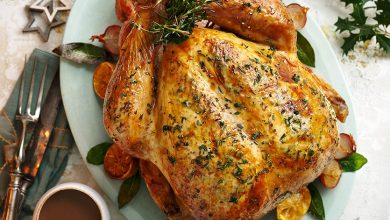
Christmas dinners have long been centered around roast meats and traditional side dishes. But as tastes evolve and dietary preferences grow, families are seeking more diverse and inclusive options. Source: bbcgoodfood.com.
Why Diversify Christmas Dinners?
Traditional Christmas meals often rely on meat-heavy recipes. These can be hard to prepare for those with dietary restrictions or personal preferences.
Many people now seek plant-based, low-carb, or gluten-free alternatives. These choices reflect broader shifts in health awareness and environmental concerns.
The BBC Good Food website offers 20 alternative Christmas dinner ideas. These range from veggie mains to global-inspired dishes, aiming to provide variety without sacrificing festive spirit.
Examples of Alternative Dinners
- Stuffed courgette and lentil bake: A hearty, plant-based main with a rich, savory texture. It uses common ingredients and can be prepared in advance.
- Spiced cauliflower and chickpea stew: A warming, one-pot dish that combines vegetables and legumes. It’s naturally gluten-free and low in fat.
- Seared tempeh with roasted vegetables: A protein-rich option that mimics the texture of meat. Tempeh is fermented, making it a sustainable choice.
- Chickpea and kale curry: A bold, aromatic dish that brings together global flavors. It’s easy to adapt with different spices or vegetables.
- Quinoa and roasted vegetable medley: A balanced, nutrient-dense option that offers a satisfying, colorful main course.
What Makes These Recipes Accessible?
Each recipe on the BBC Good Food guide uses ingredients that are widely available in most households.
Many require minimal equipment—just a pan, oven, or saucepan. This makes them practical for families with limited kitchen space or time.
Most can be cooked in one session, reducing stress during a busy holiday period.
Who Benefits from These Alternatives?
People with allergies, such as nut or gluten sensitivity, can safely enjoy these meals without risk.
Vegetarians and vegans find these options inclusive and satisfying. They don’t rely on animal products for flavor or texture.
Those concerned about environmental impact also benefit. Plant-based meals generally have a lower carbon footprint than meat-heavy dishes.
One contributor notes: ‘It’s not about replacing tradition—it’s about expanding what we can celebrate together.’
Limitations and Considerations
Some recipes may not appeal to older generations who are accustomed to roast dinners.
Not all dishes are equally suited to large family gatherings. For example, one-pot meals may not lend themselves to sharing or serving in multiple portions.
There is no mention of cost comparisons or ingredient availability in rural areas. This could affect accessibility for some households.
How to Try These Recipes
Visit the BBC Good Food website to explore the full list of recipes. The site offers a recipe app that allows users to save, organize, and share meals.
Subscribers gain access to exclusive content, including meal plans and podcasts. This can help families plan their holiday menus in advance.
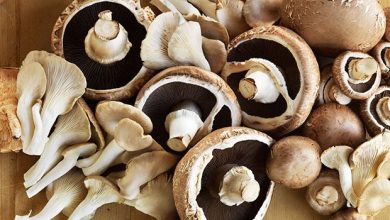
Mushrooms are versatile and can be used in many plant-based dishes.
These alternatives don’t replace tradition—they offer new ways to enjoy the holiday season with variety and care.
Sources & further reading
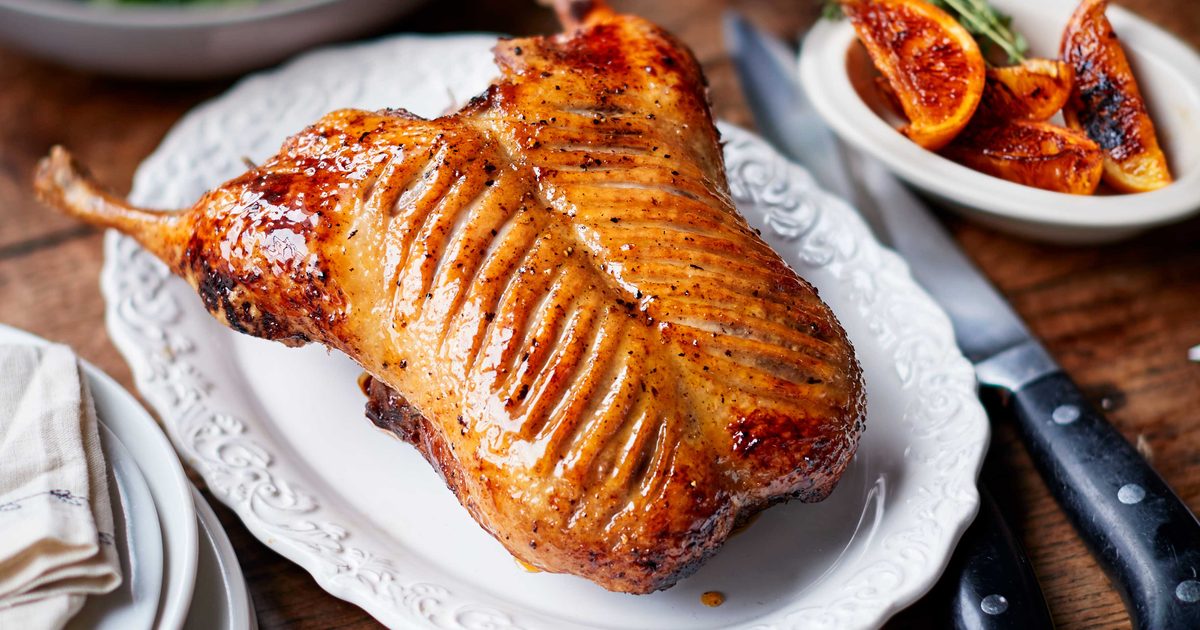
Featured image: Roast duck. Via original publisher. Image source