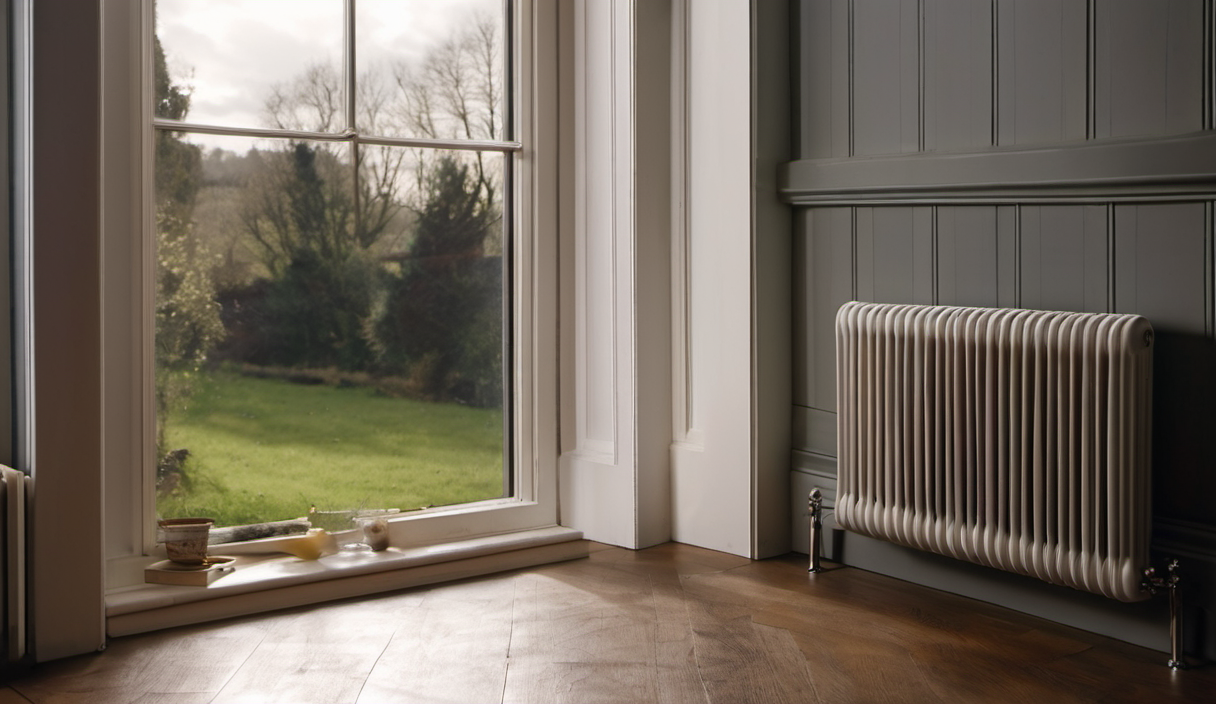
Featured image: The image shows a room with a large window in the background. AI-generated image; not a photograph of the reported event.
Autumn has arrived. Heavy rain and winds confirm the end of summer.
As temperatures drop, it’s time to prepare your home for winter.
Check Your Heating System
If your boiler hasn’t had an annual service, book one now.
A Gas Safe registered engineer is essential to keep your warranty valid and avoid costly repairs.
Checkatrade lists a typical service cost between £80 and £120. Extra fees may apply if problems are found.
Turn on central heating and test each radiator.
If any remain cold, bleed them to remove trapped air.
A radiator key—available for 50p to £3—can be bought at DIY stores.
Install reflector panels behind external wall radiators to redirect heat back into the room.
Three panels from B&Q; cost £23.90.
Seal Draughts
Listen for rattles, whistling, or moving air around doors, windows, and floorboards.
Use foam, metal, or plastic strips around window frames to seal gaps.
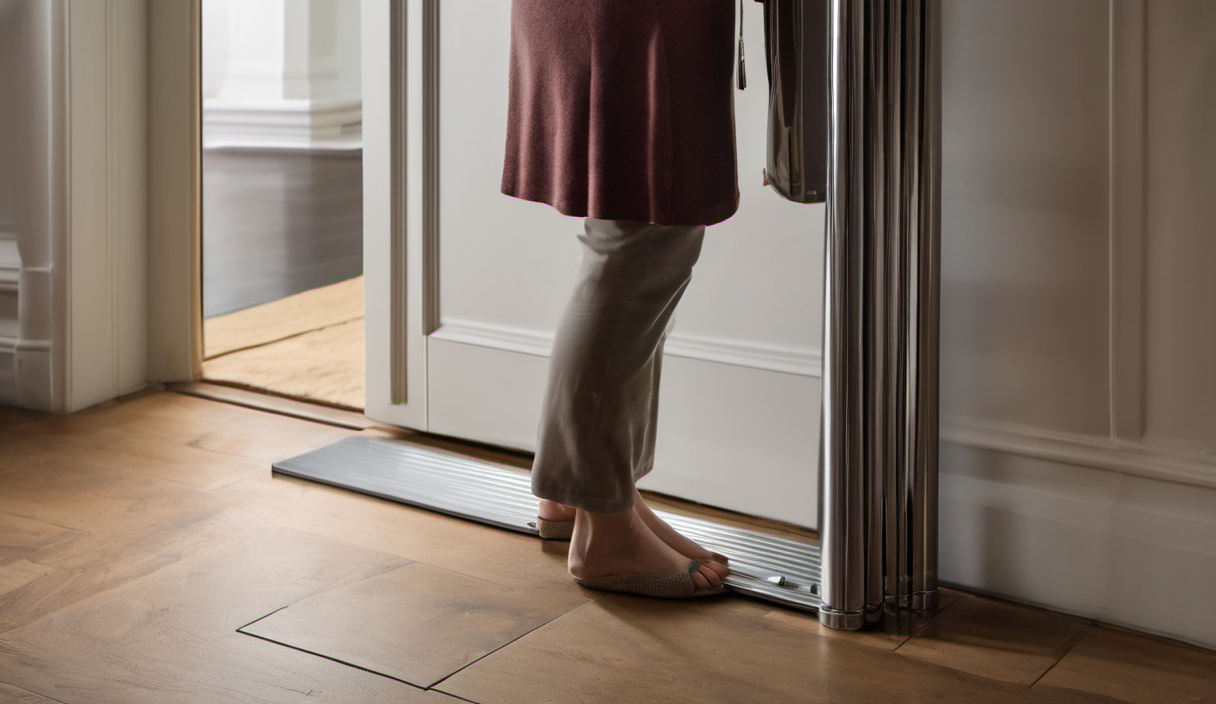
Fit brush draught excluders at the bottom of exterior doors.
Fill floorboard holes with silicone-based filler.
Unused chimneys can let in cold air.
Install a terracotta cap on top to block moisture and birds.
Or add a draught excluder inside the chimney to stop warm air rising and cold air entering.
Review Your Energy Tariff
Ofgem will raise the energy price cap in October by 2% to £1,755.
This equals about £35 more per year for standard variable tariff users.
Actual costs depend on your usage, location, and payment method.
If you’re on a standard variable tariff, switch to a fixed-rate or tracker deal for savings.
Use sites like Uswitch or Compare the Market to find deals.
Check when your current fixed-rate deal ends.
Some fixed-rate deals will expire by the end of October.
Households on fixed-rate deals may pay up to £202 more annually if they don’t switch.
Switch providers within five working days.
You have a 14-day cooling-off period with no exit fees if you switch.
Uswitch says 26 fixed deals currently beat the October cap, offering savings of about £241.
Outfox Energy offers a 12-month fix at £1,514 and a two-year plan at £1,516.
Test Safety Equipment
Hot-water bottles should be replaced every two to three years.
Check the date on the neck: the middle number is the year; petals show months; dots show weeks.
Inspect electric heater wires.
Keep heaters at least a metre (3ft) from objects and never leave them unattended.
Plug directly into the mains. Never use an extension lead.
Replace electric blankets if soiled, worn, or with visible wires.
If folded, check for wear along the fold lines.
Replace any blanket over 10 years old.
Have your chimney swept before autumn to ensure proper ventilation.
Check for jackdaw nests before cooler weather arrives.
Make sure you have a working carbon monoxide alarm in the same room.
Test all smoke alarms and ensure batteries are full.
Clean Up Outside
Inspect your roof for missing, cracked, or damaged tiles—especially near the chimney.
Patches of green or black may be algae that damages the roof.
Algae can be treated with a soft brush, cleaning solution, or zinc or copper strips.
Replace any missing or slipped tiles.
Empty gutters to prevent flooding and roof damage.
Checkatrade estimates costs between £50 and £300, depending on house size and location.
Strong winds can knock down fence panels. Secure all fences.
Store barbecues, trampolines, and garden furniture.
If no shed space is available, cover and secure items with weights.
Move tender plants indoors before winter.
Trim overgrown shrubs to reduce wind damage risk.
For more on energy-saving home improvements, see Save Money on Energy Bills with Smart Tech and Simple Changes.
These steps are based on a Guardian article.