
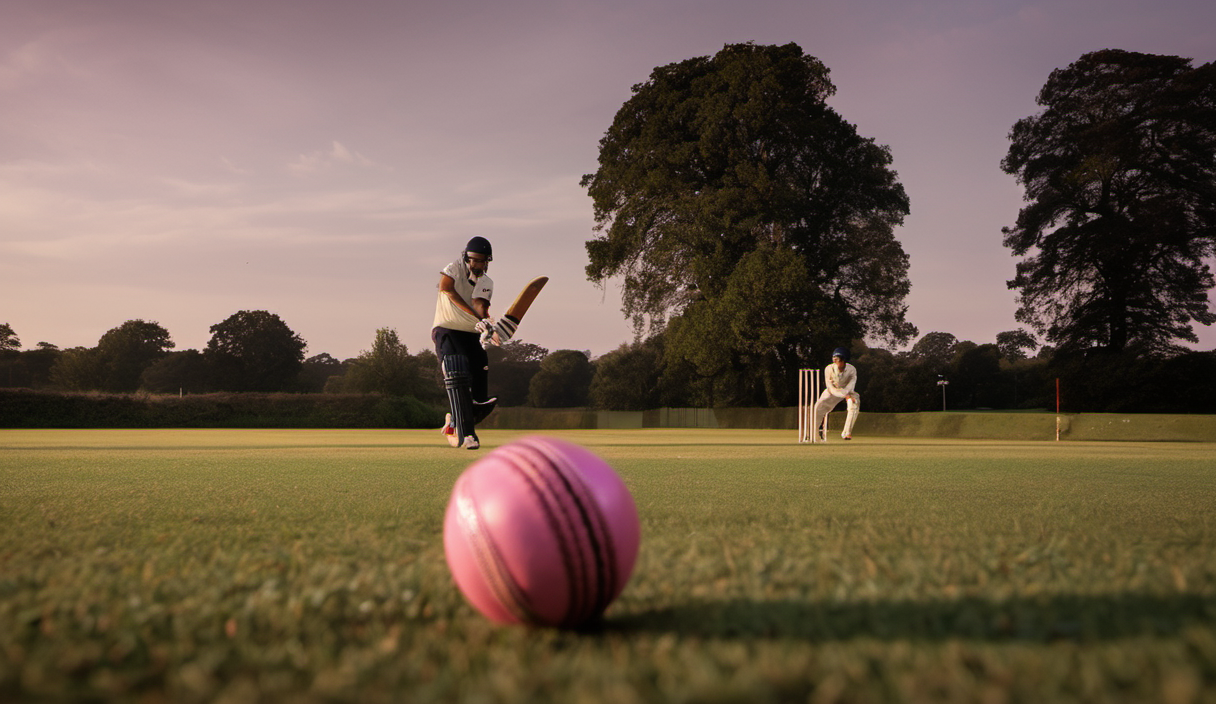
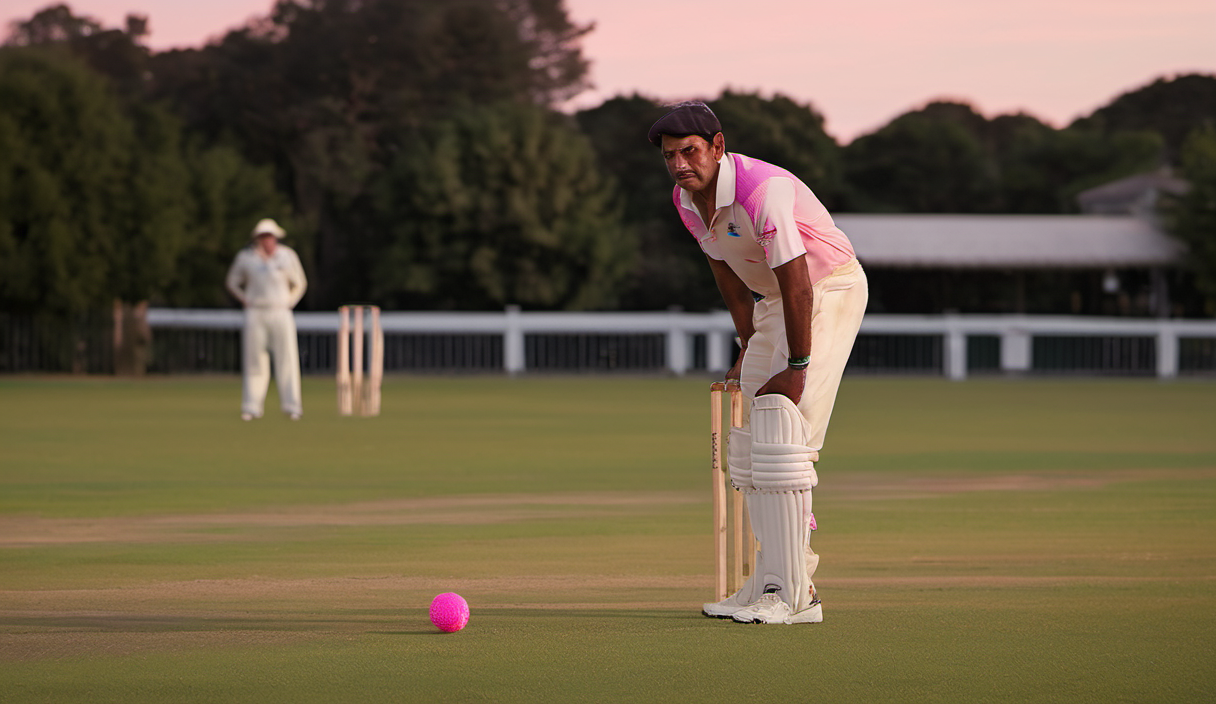
Featured image: The image shows a cricket match in progress. AI-generated image; not a photograph of the reported event.
More than 60 overs were lost in the first Test between South Africa and Australia in Durban due to bad light conditions. Source: bbc.co.uk.
What Happened in the Test
Play was halted on day one at 15:23 local time after clouds formed. Only 65.2 of the scheduled 90 overs were bowled.
The afternoon sessions were repeatedly interrupted by rising humidity and cloud cover, which intensified as temperatures dropped.
Why the Light Problem Matters
Bad light is one of cricket’s oldest and most frustrating problems. It disrupts continuity and reduces match length.
It affects player performance, scheduling, and the overall flow of the game.
ICC’s New Rule — And Why It Wasn’t Used
The ICC recently updated playing conditions to allow the pink ball in Tests.
Crucially, this rule only permits the pink ball to be used if teams agree before the match starts.
No such agreement was made for the Durban Test between South Africa and Australia.
What the Pink Ball Is For
The pink ball is easier to see in low-light conditions, especially during day-night matches.
It was introduced to help with visibility under floodlights.
Why Teams Resist It
There is a ‘stigma’ around the pink ball, according to former South Africa bowler Shaun Pollock.
He says players often blame the pink ball for poor performance, regardless of actual conditions.
For example, if Australia were 124-6 and later reached 390, some would say it was the pink ball’s fault.
Is the Pink Ball Really Harder to See?
Ball tracking data does not support the claim that the pink ball moves more under lights.
Some batters report difficulty seeing it in evening play.
Evening batting averages are lower in day-night matches.
Why the Rule Change Feels Like a Missed Opportunity
Teams could have used the pink ball earlier in the match if light conditions worsened.
But the rule requires pre-match agreement — not a real-time decision.
That means the umpires have no authority to switch balls during play.
What Would Fix This?
Former South Africa bowler Vernon Philander suggests the ICC enforce a rule that allows umpires to switch to the pink ball when light becomes poor.
He says this would ensure fairness and prevent one team from gaining an advantage.
Such a change would require official enforcement, not player discretion.
What to Watch Next
The ICC may review how the pink ball rule is applied in future Tests.
Teams may begin discussing the possibility of in-match ball changes.
Cricket’s long-standing struggle with light conditions remains unresolved.
Source: BBC Sport — Australia v South Africa: Bad light thwarts Durban Test despite ICC changes
