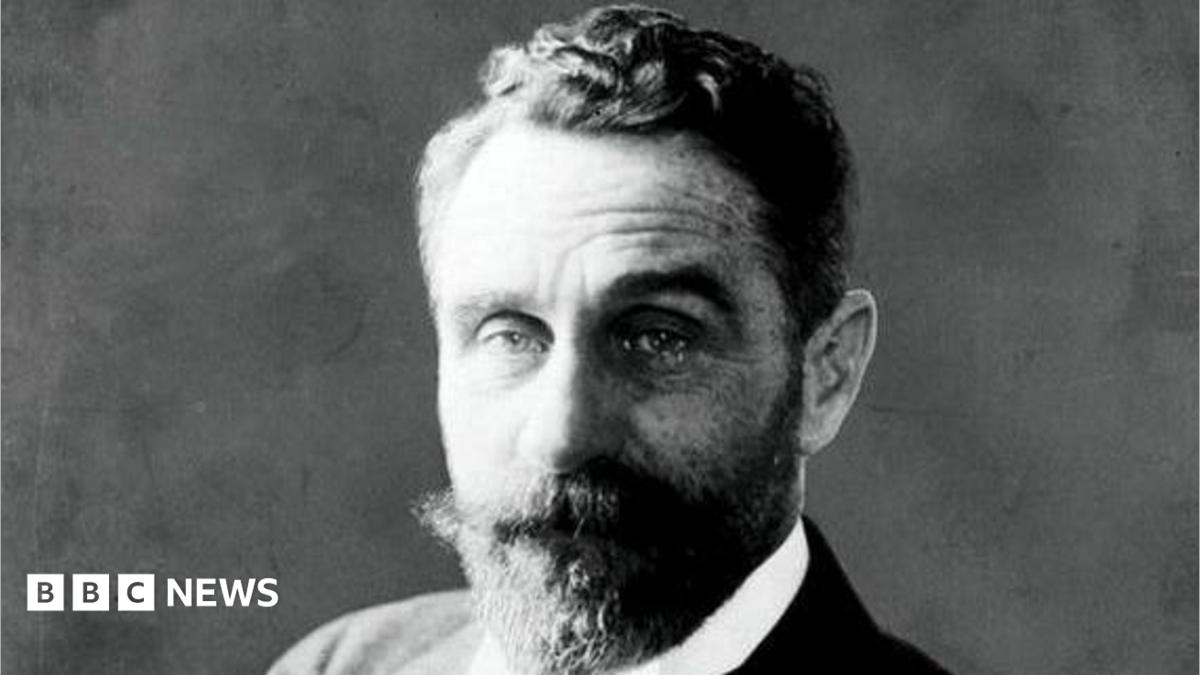
Roger Casement, a British knight and Irish nationalist, has sparked renewed debate over his remains. A new application seeks to move his body from Glasnevin Cemetery in Dublin to Murlough Bay in County Antrim. Source: bbc.co.uk.
What Happened
The Roger Casement Commemoration and Re-interment Association has formally applied for an exhumation licence from Dublin City Council and Glasnevin Cemetery.
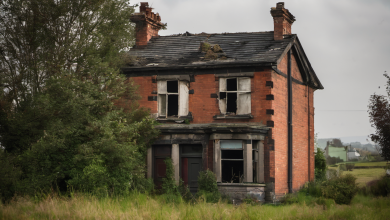
The request aims to transfer Casement’s remains to Murlough Bay, where a man named Patrick McCarry has agreed to allow reburial on his land.
The application was made public on Thursday night. The association and McCarry gathered at the Casement Social Club in Belfast. Legal representatives from Phoenix Law and O’Neill’s Funeral Directors were also present.
Historic Claim: Fulfilling a Wish
In a letter dated 25 July 1916, just days before his death, Casement wrote: "Don’t let my body lie here – get me back to the green hill at Murlough, by the McGarry’s house, looking down on the Moyle, that’s where I’d like to be now, and there’s where I’d like to lie."
The association says this letter supports their plan to return his body to County Antrim. It claims the move fulfils a personal wish and is a long-overdue act of respect.
Family Support
The association states its proposal has the backing of Casement’s family. James Casement, a descendant living in Arizona, USA, has publicly supported the effort.
Alan Daly, chairperson of the association, said: "After many months of preparation, we have formally applied for the exhumation of Roger Casement to bring him home."
He added that Casement always wanted to return to Ireland. It is "historic to be co-signing this application with Roger’s direct and surviving relative, James Casement."
Background: A Complex Legacy
In 1911, Casement was knighted by King George V for humanitarian work in Africa and South America. His travels took him through central Africa and into some of the most impoverished regions of South America.
He worked to improve conditions for local populations. The knighthood recognized his service. It was a formal honour for his humanitarian efforts.
Over time, Casement became critical of colonialism. He stopped diplomatic work. He dedicated himself to Irish independence by joining the Irish Volunteer Force.
During World War I, he believed an Irish-German alliance could secure full Irish sovereignty. He travelled to Germany to recruit Irish soldiers captured by Germany. The goal was to build a nationalist military force in Ireland.
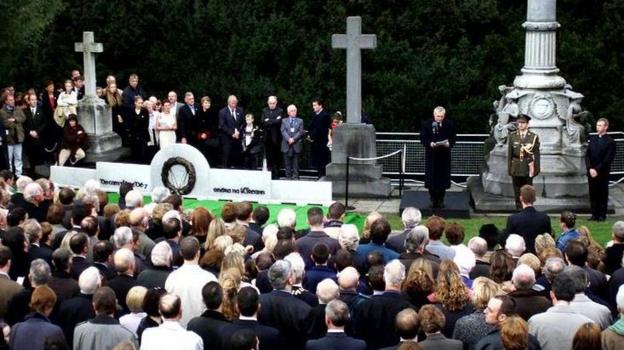
German authorities failed to deliver on promises of 200,000 rifles and a brigade. The plan collapsed. Casement returned to Ireland aboard a German U-boat in April 1916.
He was intercepted by British authorities. He was taken into custody. He was later tried for high treason and sentenced to death.
A campaign for a reprieve was supported by W.B. Yeats and George Bernard Shaw. It failed. Casement was executed on 3 August 1916.
Excerpts from his diaries revealed his homosexuality. These were widely circulated. They challenged the image of Casement as a traditional nationalist hero. They highlighted his complex personal identity.
Legal and Ethical Challenges
Exhumations of human remains are strictly regulated in both Northern Ireland and the Republic of Ireland. The process follows legal, ethical, and public health standards. It requires detailed justification and public consultation.
Obtaining a licence is not automatic. It involves a thorough review of historical, cultural, and legal factors. In 1965, a similar request to move Casement’s remains from Pentonville Prison to Ireland was blocked. The UK government under Harold Wilson said it would worsen political tensions between Ireland’s regions.
While exhumations are regularly granted across the island, each case is assessed individually. This application faces scrutiny over both legal and symbolic dimensions. It reflects how historical figures are remembered in a divided society.
Why It Matters
For many, Casement remains a symbol of Irish nationalism. His name is linked to Casement Park in Northern Ireland — a GAA stadium at the heart of a long-standing political divide.
It is rare for a stadium to be named after a British knight. This raises questions about how colonial-era figures are honoured in a society still dealing with its past.
The proposed reinterment could be a gesture of reconciliation. It acknowledges both Casement’s colonial service and his later nationalist role. It reflects a broader effort to reframe historical narratives to include diverse identities.
What to Watch Next
Authorities in Dublin and Belfast will review the application. A decision is expected in the coming months.
Public reactions may vary. Some see it as fulfilling a personal wish. Others may view it as a politically charged act with contested meanings.
There is no official statement from the Irish or Northern Irish governments. The process remains under legal and ethical review. All stakeholders will engage in transparent and respectful dialogue.
Sources & further reading
Featured image: An archive image of Roger Casement in Black and white. He has a thick beard and moustache, and short wavy hair.. Via original publisher. Image source