
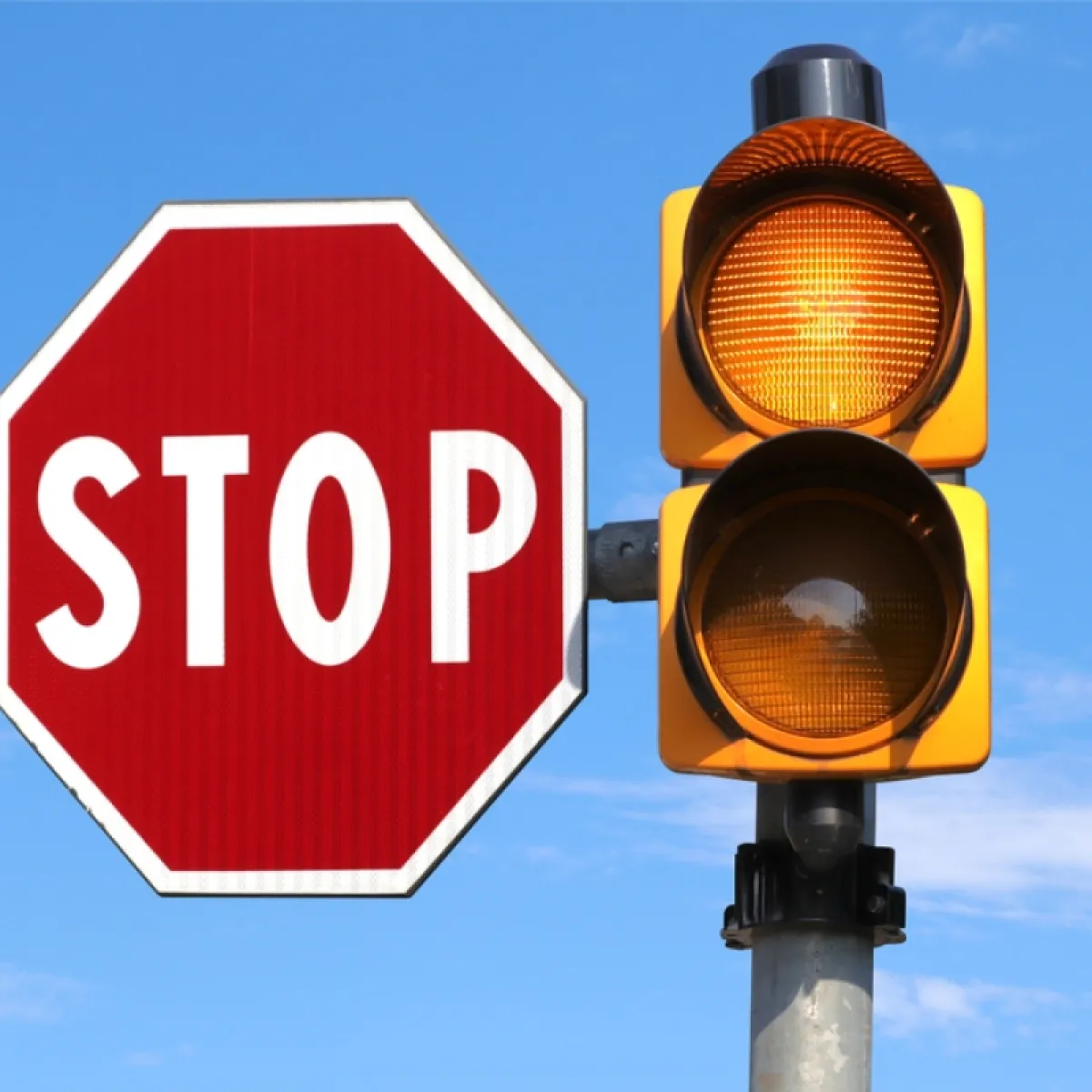
Relationships often come with a set of warning signs. We’re taught to spot red flags—behaviors that suggest danger or instability. But what about yellow flags?
What Are Yellow Flags?
Yellow flags aren’t deal-breakers. They signal potential issues, not failures. They reveal differences in values, expectations, or emotional patterns.
They don’t mean a person is bad. But they do suggest a need for deeper understanding. A yellow flag can point to how someone handles conflict, intimacy, or past relationships.
All Their Exes Were the Worst
One common yellow flag is describing all past relationships as toxic, manipulative, or damaging. This may reflect a pattern of emotional pain.
According to Duygu Balan, LPCC, it’s entirely possible that your date has been unlucky enough to experience a series of toxic relationships. Recurring relationship struggles can also point to deeper attachment woundings, which can influence how a person shows up in relationships and make it difficult for them to establish and maintain healthy connections.
Balan notes that while someone may have had a series of difficult relationships, it’s important to assess whether they are capable of recognizing recurring themes or have the capacity to understand their own role in these dynamics. This doesn’t mean they should take full responsibility for their own mistreatment, but the ability to take responsibility for their own healing is a sign of emotional maturity.
They’ve Handed You Their Apartment Key by Date Three
By the third date, someone offers to bring you over for family Christmas or leaves their toothbrush at your apartment.
This shows early intimacy. It may be a sign of strong attraction. But it could also mean they’re rushing to avoid uncertainty.
As Duygu Balan observes, sometimes the spark is instant, and love at first sight is a real thing. Other times, intimacy may be rushed because the uncertainty of a relationship makes them feel too insecure or anxious. This doesn’t indicate a lack of authenticity, but rather a coping mechanism shaped by past experiences.
For instance, someone who has faced repeated rejections might use early physical or emotional exposure as a way to test whether you’re a safe partner. This behavior isn’t inherently problematic—it simply reflects how they manage emotional vulnerability.
They’re Either Friends With Everyone or No One
Another has no friends at all.
Both scenarios aren’t inherently flawed. Some people naturally enjoy broad social circles. Others prefer small, close-knit groups.
As Balan points out, neither scenario indicates there’s something inherently wrong with the person. Personal preferences, life transitions, or difficult experiences can explain shifts in social connections.
It’s important to consider whether these connections are mutual or tend to dissolve when the relationship is no longer convenient. A lack of mutual support can signal emotional isolation. For example, someone who only maintains friendships during social events may struggle to offer consistent emotional support during difficult times.
Their Ex Is Still in Their Favorites
They keep their ex in their phone’s favorites. They send memes and birthday gifts. They still call each other for advice.
As Duygu Balan notes, it’s not impossible to maintain a friendship after a breakup. But it can suggest unfinished emotional work. The presence of such a connection may reflect unclear boundaries or difficulty letting go.
One key question to ask is: Does their connection with their ex affect their emotional availability with you? If their bond with their former partner remains strong, it may limit their ability to share personal vulnerabilities with a new partner, which can impact emotional intimacy.
They Agree With Absolutely Everything You Say
They share your politics, diet, and lifestyle. They never express disagreement.
This may seem like perfect compatibility. But it could also mean they avoid conflict or suppress their own needs.
According to Balan, if someone consistently avoids voicing their desires, it may be worth exploring how they show up in conflict. Can they tell you when something bothers them? Are they capable of saying no? Who are they when they’re not trying to make you happy?
For instance, if someone consistently agrees with you even when it contradicts their values, it may indicate a lack of self-awareness or emotional boundaries. This behavior may stem from a desire to maintain harmony, but it can also signal a lack of personal agency in relationships.
Why This Matters
Healthy relationships aren’t about perfection. They’re about navigating differences with honesty and care.
Yellow flags help identify patterns. They prompt questions—not judgments. They invite conversation, not immediate decisions.
Understanding these signals allows people to grow, not just avoid pain. By recognizing these behaviors, individuals can engage in more reflective dialogue about their needs, boundaries, and expectations.
Limitations and Open Questions
These flags don’t apply to every person. Context matters. Culture, life experiences, and personal history shape behavior.
Some behaviors may be situational. Others may reflect deeper emotional patterns. Without full context, we can’t know what’s truly at play.
There’s no universal rule. What seems like a yellow flag might be a sign of genuine growth or unique personality. For instance, someone who grew up in a highly competitive environment might naturally prioritize harmony over conflict, which could explain their tendency to avoid disagreement.
Always consider the full picture. A single behavior doesn’t define a person or a relationship. The key is not to label, but to explore—through open, respectful dialogue—what these behaviors mean in the context of your shared life journey.
For more on relationship dynamics, see our original source.
Sources & further reading
Featured image: original publisher image. Via original publisher. Image source