Home Secretary Shabana Mahmood has announced an independent review into the murder of 18-year-old Henry Nowak in Southampton. The case has sparked national debate over police conduct, racial bias, and fairness in the criminal justice system.
What Happened
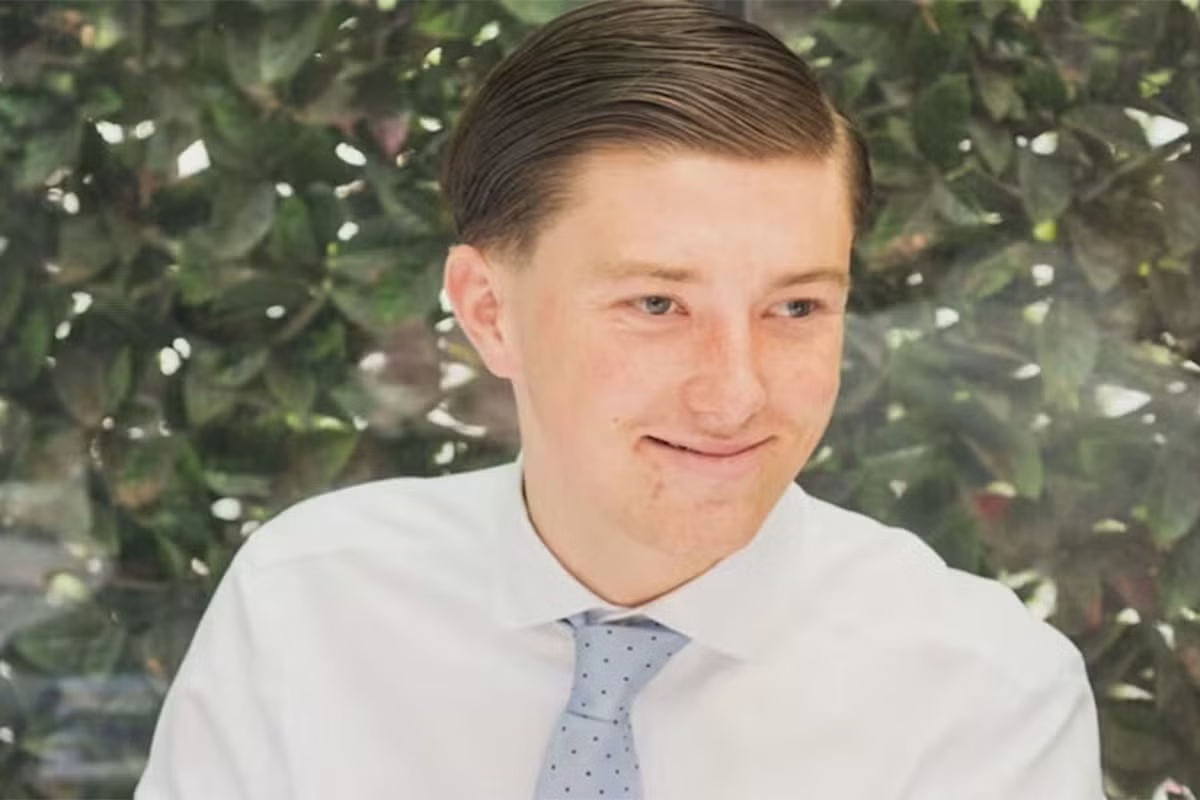
Henry Nowak, a finance student from Chafford Hundred, Essex, was fatally stabbed on 3 December 2025 in Southampton. The incident began when Vickrum Digwa, a 23-year-old Sikh man, falsely accused Nowak of racial abuse.
A three-minute police body-worn video was released showing Nowak being placed in handcuffs while already unconscious and bleeding. In the footage, he repeatedly says, "I’ve been stabbed," to which an officer replies, "Don’t think you have, mate."
Key Facts
- Henry Nowak died from stab wounds shortly after the confrontation in a public space.
- The body-worn video shows Nowak being handcuffed while unconscious and bleeding, raising serious concerns about police response to a victim in distress.
- Mark Nowak, Henry’s father, said Digwa was not handcuffed during arrest or transport. Officers even took him to a kitchen so he could choose his food—an action that violates standard custody procedures.
- Kiran Kaur, Digwa’s mother, was jailed for three years for removing the murder knife, showing the legal consequences of familial involvement.
- The review will examine missed opportunities to intervene during the incident, including the initial response to Nowak’s condition.
- It will assess how the Nowak family was treated within the criminal justice system, including support and communication.
- The Independent Office for Police Conduct (IOPC) will be evaluated for its role in reviewing the body-worn footage and its actions.
Review Details
The review is led by former lord chancellor Alex Chalk KC. His experience in legal oversight ensures impartiality and deep accountability.
It will investigate whether Digwa’s Sikh identity influenced officers’ decisions. The inquiry will assess if officers held unconscious biases or assumptions about community tensions at the time.
The full terms were published on Monday. An initial report will be submitted to the Home Secretary within five months.
Family Response
Henry’s family welcomed the review. In a statement, they said: "At last, some positive news. Today’s announcement is a significant moment in our fight for justice."
They described the emotional toll of seeking answers as immense. The family said they are determined no other family should face the same treatment based on identity or background.
They thanked the Home Secretary for listening and taking action. They praised Alex Chalk for agreeing to lead the review. Still, they stressed this is only the beginning.
Why It Matters
This case reveals a gap in how the UK’s criminal justice system treats victims and suspects. It raises urgent questions about police consistency, bias, and transparency in body-worn camera use.
Public trust in law enforcement is fragile. Cases like this can damage confidence if not handled with care and integrity. The review may uncover procedural failures or implicit bias that affect suspect handling and victim support.
Limitations and Open Questions
There is no public confirmation that the body-worn footage was reviewed by the IOPC. It remains unclear if the review will analyze the video in full or how it was accessed and shared.
The inquiry will assess community tensions and religious identity. But it does not guarantee findings. Any impact on policing or legal practices is still uncertain.
What to Watch Next
As the review progresses, media attention will focus on whether police decisions were shaped by assumptions about Digwa’s identity. Coverage may examine if standard protocols were followed during arrest and transport.
Findings could shape future guidelines on suspect custody, body-worn camera use, and crisis response training. The case may also spark broader discussions about cultural sensitivity and accountability in policing.
For more on this story, see the original report at The Independent.
Sources & further reading
Featured image: original publisher image. Via original publisher. Image source