
A single dose of an experimental antibody kept a virus similar to HIV in remission for four years in a monkey.
What Happened in the Study
Researchers infected 20 newborn rhesus macaques with simian immunodeficiency virus (SIV), a relative of HIV.
The animals were split into three groups. One got only antiviral drugs. A second got drugs plus a single dose of a CCR5/CD3 antibody. A third got a different antibody targeting CD4.
Antiviral treatment started one week after infection and lasted 18 weeks. Then it stopped. Scientists watched for signs of viral rebound.
All animals on drugs alone showed virus return within a week. Six of eight in the CD4 group rebounded within seven days. One remained virus-free until the end.
Animals in the CCR5/CD3 group showed much longer remission. Four stayed free of virus for over three months. In one, the virus remained undetectable for four years—longest ever in any animal model.
How the Antibody Works
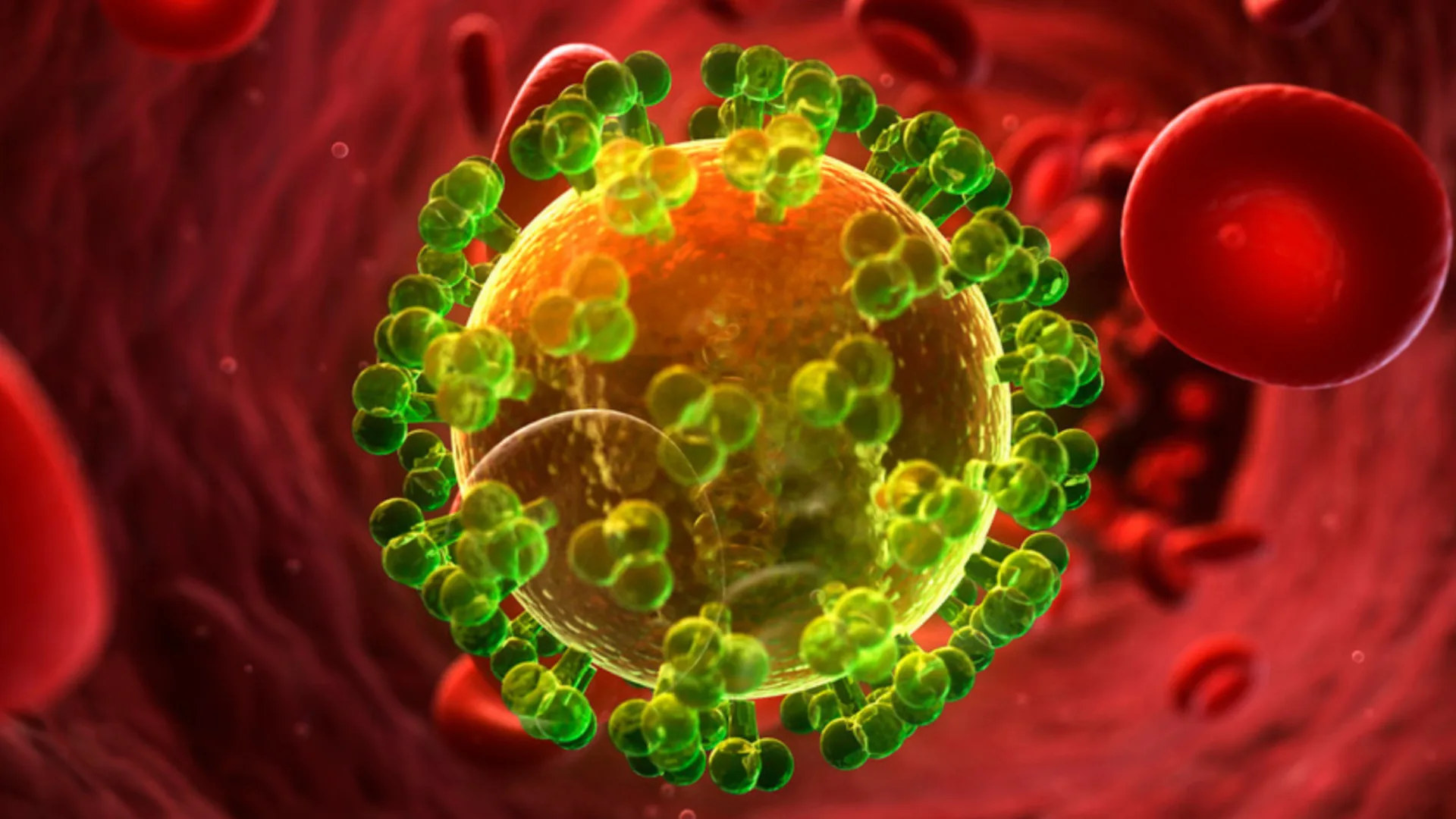
HIV and SIV use CCR5 to enter immune cells. Once inside, they insert genetic material into the cell’s DNA and stay dormant.
The experimental antibody binds both CCR5 and CD3 on T cells. This activates T cells to attack cells with CCR5.
Many infected and uninfected cells carry CCR5. The antibody uses the body’s immune system to reduce the pool of cells that could harbor or become infected.
It does not need to find individual infected cells. That makes it simpler than current methods and more feasible for human use.
Key Findings and Evidence
- Four monkeys stayed virus-free for over three months after stopping treatment.
- One monkey remained free of virus for four years.
- Tests in three animals found no viral DNA or infectious virus in lymph nodes.
- One sample showed a faint viral RNA signal. No viral DNA or blood rebound was found.
The absence of virus in tissue and the failure to grow infectious virus suggest a major reservoir reduction.
But the trace RNA in one sample means the virus may still exist at very low levels, even if inactive.
Limitations and Open Questions
Treatment began right after infection.
It’s unclear if this approach works in adults or people with long-standing infections. Infants rebuild immune cells quickly. That may make them more responsive than older individuals.
The antibody also targets healthy immune cells with CCR5. Animals had mild side effects that resolved quickly. Long-term effects on immune function or responses to other infections are unknown.
Remission does not mean the virus is gone. The trace RNA signal suggests latent virus may still exist. Without more testing, it’s unclear if the reservoir is truly eliminated.
Why This Matters
Current antiretroviral drugs stop HIV from multiplying but don’t remove the latent reservoir.
This reservoir is the main barrier to a lasting cure. The study shows immune-based treatments may lead to functional remission—where the virus stays undetectable without treatment.
Remission in this study matches rare cases in people who had stem-cell transplants for cancer. Cases like the ‘Berlin Patient’ and ‘London Patient’ show that removing infected cells can lead to lasting remission.
This new method offers a less invasive path to similar results—without risky transplants.
The approach hasn’t been tested in humans. Future trials will need to assess safety, long-term effects, and effectiveness in diverse populations.
The study was published in Nature Microbiology.
For more on this research, see the original source at ScienceAlert.
Sources & further reading
Featured image: Science Photo Library illustration showing HIV infection in bloodstream. Via original publisher. Image source
