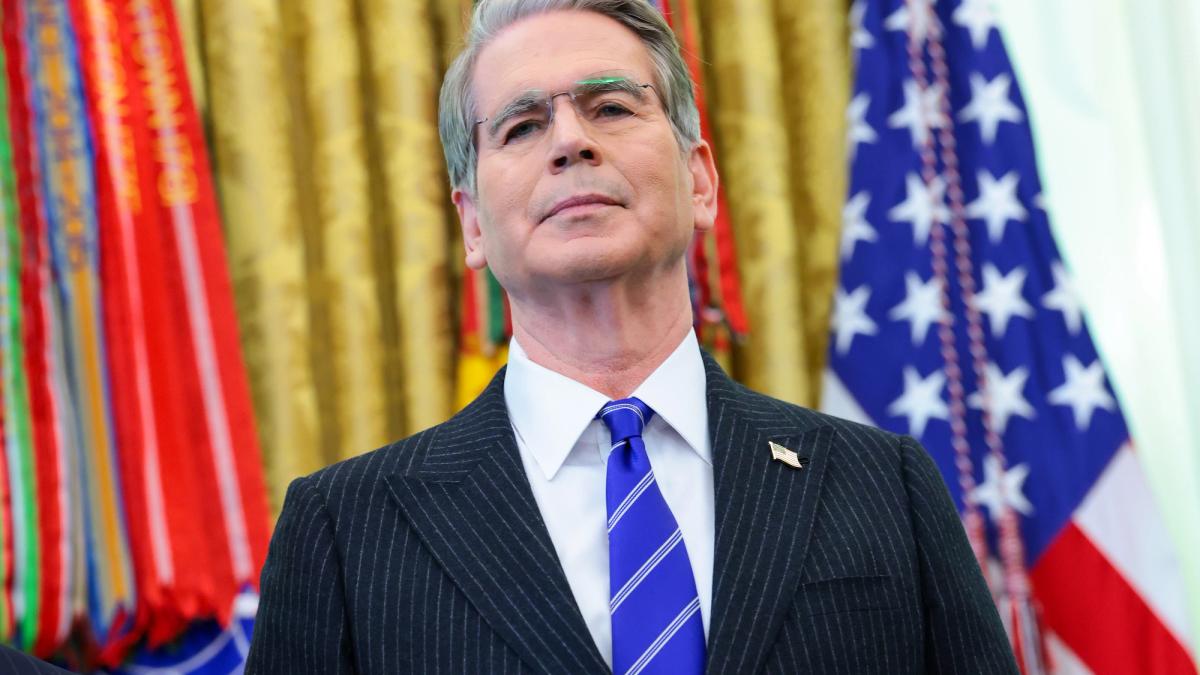
U.S. Treasury Secretary Scott Bessent says digital assets could strengthen the global dominance of the U.S. dollar. He made the claim at Ripple’s Swell conference, framing digital technology as a key tool in America’s economic strategy. Source: coindesk.com.
Technology as a New Economic Umbrella
Historically, global reserve currencies have relied on military strength. The U.S. built its dominance after World War II.
Today, Bessent argues that technological leadership is replacing military power as the main driver of economic influence. This shift is visible in the U.S.-China competition over AI and semiconductors.
As countries choose which technology ecosystems to adopt, their financial infrastructure—like blockchain networks—will shape where the dollar is trusted and used.
Why Digital Assets Matter
Bessent believes the U.S. will win in the digital asset stack. This includes stablecoins, decentralized exchanges, and blockchain lending.
These tools create new, decentralized paths for global commerce. They help the dollar remain accessible, secure, and resilient in unstable regions.
Stablecoins can connect emerging economies to the global financial system. Users can store and transfer value without needing a bank or credit history.
Stablecoins and Dollar Demand
The GENIUS Act, passed under the Trump administration, created a federal framework for stablecoins. These digital assets maintain a fixed value against fiat currencies like the U.S. dollar.
More than 90% of stablecoins are backed by U.S. dollars. Many hold U.S. government securities as reserves. This creates a feedback loop: more stablecoin use means more demand for U.S. dollars and Treasury debt.
In inflation-prone countries—like Venezuela or parts of Africa—people may use stablecoins to protect savings. This could boost global demand for the dollar, even in non-traditional markets.
Expanding Access to the Dollar
Stablecoins don’t require bank accounts or credit history. This makes them ideal for emerging markets with weak financial inclusion.
When businesses and consumers use stablecoins for e-commerce or remittances, the dollar’s role in global trade grows. This strengthens its status as a benchmark for international finance.
Regulatory Challenges and the Clarity Act
The Clarity Act was meant to create a federal regulatory framework for crypto. Congress failed to pass it, leaving a major gap in rules.
Bessent called this failure a disappointment. It created uncertainty for crypto firms and increased the risk of debanking—when banks cut off services to crypto businesses.
Debanking can disrupt innovation and erode trust in the sector. Without clear rules, firms face unpredictable compliance and possible service interruptions.
What This Means for the Industry
Bessent says the Treasury can work with the SEC and CFTC to create regulatory guardrails. He views both agencies as ‘great partners’ and highlights the Treasury’s ability to coordinate oversight.
However, agency rules lack the legal permanence of law. They may change with political shifts and can’t fully keep pace with fast-evolving technology.
He proposes mandatory reporting, service continuity plans, and transparency standards to prevent abrupt service cuts.
These rules could set a global model for responsible digital asset regulation and build trust in U.S.-backed financial tools.
Limitations and Open Questions
Without a federal law, regulatory clarity remains uncertain. Industry leaders worry agency rules may not cover systemic risks.
There’s no guarantee stablecoins will grow fast enough to meaningfully boost dollar demand.
The U.S. faces competition from nations advancing their own digital assets. China, the UAE, and Singapore are expanding digital currency initiatives.
For more on how the Clarity Act failure opened innovation gaps, see our coverage of that issue. For a deeper look at how emerging markets are gaining influence, visit this related analysis.
What to Watch Next
Regulatory guidance from the SEC and CFTC will shape the future of digital assets. New rules on stablecoin issuance or cross-border use could determine if digital assets become a reliable source of dollar demand.
Watch how the U.S. responds to stablecoin adoption in high-inflation economies. Success will depend on real-world use, institutional trust, and global cooperation.
Bessent’s vision of digital assets as a tool for economic strength is ambitious. But it’s rooted in current trends and policy actions. It offers a clear path for how technology can shape global finance.
Sources & further reading
Featured image: original publisher image. Via original publisher. Image source