A well-chosen casserole dish is essential for any home cook. It should handle baking, roasting, and serving with ease. The BBC Good Food team tested three common types: cast iron, ceramic, and stainless steel. Source: bbcgoodfood.com.
What the Test Found
The test evaluated performance in real cooking conditions. Each dish was used for a range of recipes, from simple meatloaves to vegetable medleys. The focus was on even heat distribution, durability, and ease of cleaning.
- Cast iron excelled in heat retention and even cooking. It maintained temperature well during long baking times.
- Ceramic dishes offered a smooth, non-stick surface. However, they were more fragile and prone to cracking under sudden temperature changes.
- Stainless steel performed well in versatility. It resisted scratches and maintained a clean surface, though it didn’t retain heat as effectively as cast iron.
One reviewer noted that cast iron required more initial care. It needed seasoning to prevent rust and ensure non-stick properties. This step is time-consuming but pays off in long-term performance.
Why These Materials Matter
Each material has different strengths. Cast iron is dense and holds heat well. This makes it ideal for slow, even cooking. Ceramic is elegant and easy to clean, but it lacks resilience. Stainless steel is modern and durable, suitable for everyday use.
For home cooks, choosing the right dish depends on usage. Frequent baking calls for heat retention. Daily use favors durability and ease of cleaning.
Limitations and Concerns
Cast iron is heavy and may not fit in all kitchens. Ceramic is brittle and can break if dropped. Stainless steel may not heat evenly in all spots.
There is no single best option for every cook. The choice depends on personal habits and kitchen space.
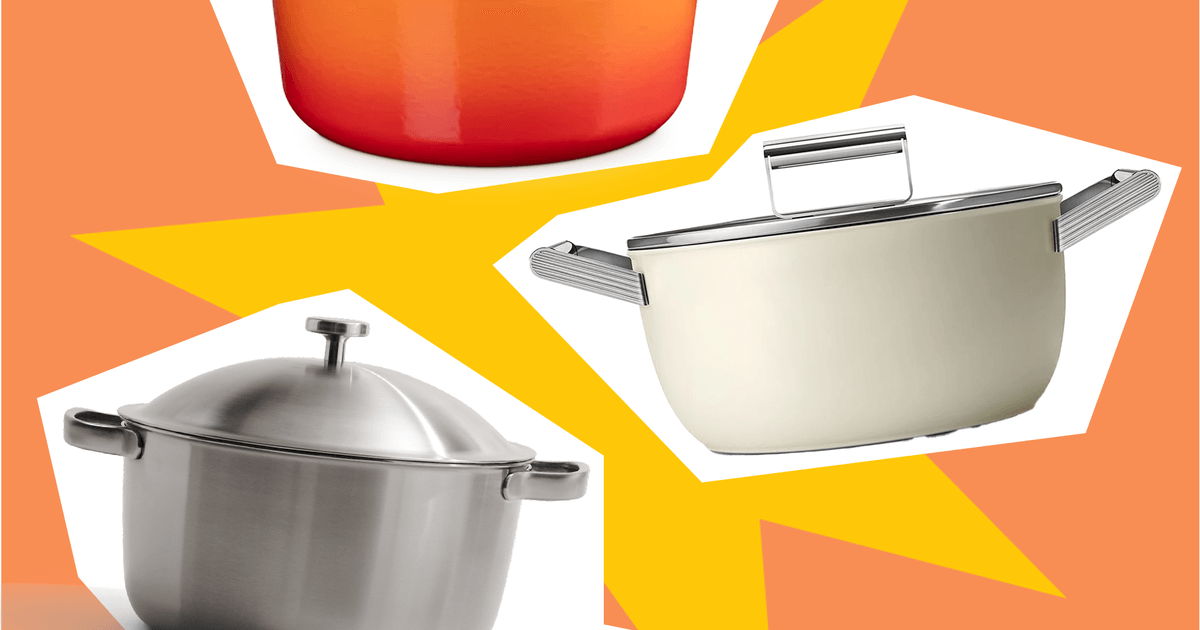
The BBC Good Food review does not recommend one dish over another. It presents a balanced view of each material’s pros and cons.
Users who value tradition and long-term cooking performance may prefer cast iron. Those who prioritize simplicity and aesthetics might lean toward ceramic. For practical, everyday use, stainless steel offers a reliable middle ground.
The test did not include specialty dishes like soufflés or delicate sauces. These require different vessels. The results are best applied to hearty, one-pan meals.
There is no mention of price differences in the test. Cost was not a factor in the evaluation. This limits the ability to compare affordability across materials.
The review is based on performance in a controlled kitchen environment. Real-world conditions, such as uneven stoves or varying oven temperatures, were not tested.
For serious home bakers, a multipurpose dish is valuable. It reduces the need to switch between pans. It also simplifies meal prep and cleanup.
Home cooks should consider their cooking habits before choosing a dish. A dish that works well in one kitchen may not suit another.
Sources & further reading
Featured image: Best casserole dishes Good Food. Via original publisher. Image source