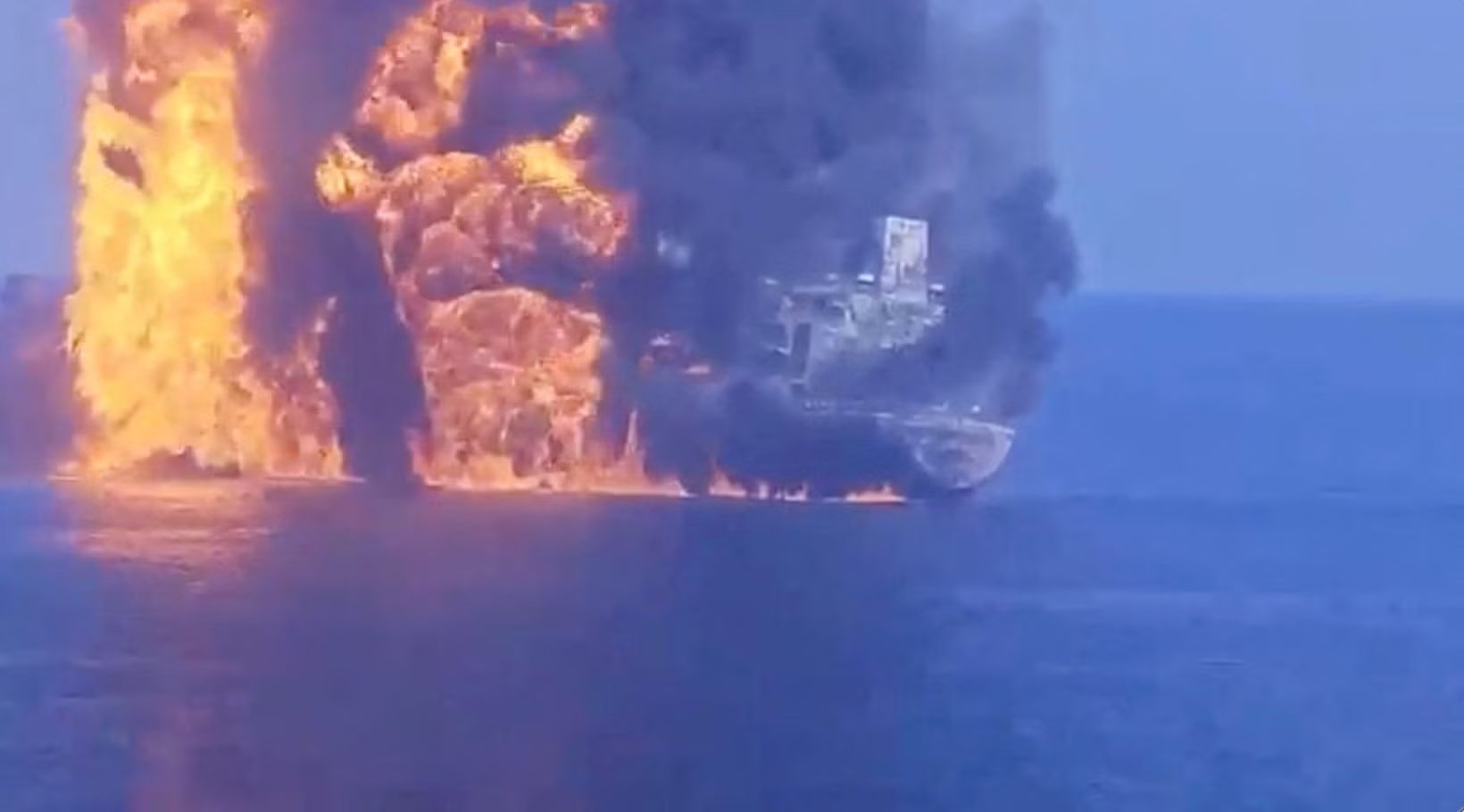
An oil tanker erupted in a massive fire in the Strait of Hormuz. One crew member is missing. Eleven others were injured. Source: independent.co.uk.
What Happened
The Panama-flagged Tara, carrying liquefied petroleum gas, was struck by a projectile on Tuesday as it sailed through the strait. The crew abandoned the vessel after the attack.
Dramatic footage shows the ship engulfed in flames. A thick column of black smoke rises above the water. The strait remains blocked by Iranian and US forces.
Oman’s emergency response team rescued 24 crew members from the Tara, about two nautical miles off the Musandam Peninsula. A search continues for the missing person. Fire suppression efforts are still ongoing.
Key Facts
- The attack on the Tara follows a sharp rise in tanker incidents in the Strait of Hormuz this month.
- India’s external affairs ministry called the attacks ‘deeply worrisome’ and stressed the danger to civilian seafarers.
- UKMTO, a British navy-linked agency, said a vessel was first disabled on Monday. It was later set on fire on Tuesday. The agency did not name the ship.
- The Strait of Hormuz remains under blockade by Iranian and US forces. This disrupts maritime traffic.
- Before the conflict, the strait carried one-fifth of the world’s oil and gas supplies.
Background and Context
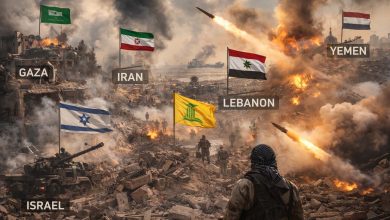
On 28 February, the US and Israel launched coordinated strikes on Iran’s Qeshm Island. US officials said the strikes targeted a missile launch site in response to Iranian attacks on US personnel and assets.
Iranian media said no critical infrastructure was damaged. But Tehran claimed it attacked US drone and missile installations at Kuwait’s Ali Al Salem base — the first such strike in the country since September.
Bahrain intercepted Iranian aerial attacks for the third time this week. It accused Tehran of a ‘systematic hostile approach’ toward its territory. Bahrain hosts the US Navy’s Fifth Fleet.
The Saudi-led coalition in Yemen destroyed a cruise missile launched by Houthi forces toward Riyadh. The Houthis, aligned with Iran, have been at war with the coalition in Yemen.
Why It Matters
The Strait of Hormuz is a vital global maritime chokepoint. It handles a fifth of the world’s oil and gas shipments. Disruptions here threaten energy exports from Gulf nations.
With the strait blocked and attacks rising, maritime safety is under serious strain. The incident highlights how regional conflicts threaten global energy supply chains.
India has warned about risks to seafarers. No official investigation has yet been launched into the attack sequence.
Limitations and Open Questions
Officials have not named the tanker involved. The vessel’s identity remains unconfirmed in public records.
The missing crew member has not been identified. No full details have been released about injuries or the attack circumstances.
It is unclear whether the vessel attacks are part of a coordinated campaign or isolated events.
Neither Iran nor the US has independently verified damage to infrastructure or personnel. No third-party confirmation has been released.
There is little public data on the total number of vessels attacked this month. The threat scale remains uncertain.
What to Watch Next
Monitoring the Strait of Hormuz blockage is essential. Any escalation could shift regional stability.
Shipping groups may issue new safety alerts as the situation evolves. The UN or Gulf Cooperation Council could call for a ceasefire or mediation.
Energy markets will remain under pressure. Supply routes are still disrupted. Global oil and gas prices may rise.
For more on how regional conflicts impact global energy, see how the Ukraine-Russia war affected oil capacity.
Sources & further reading
Featured image: original publisher image. Via original publisher. Image source