Energy bills could rise sharply again in January, with a new forecast suggesting the typical household could face an extra £443 a year. Source: skintdad.co.uk.
What the Forecast Means
The £2,166 figure is based on a typical household’s annual gas and electricity use. It’s not the maximum you can be charged.
If you use more energy, you’ll pay more. If you use less, you’ll pay less.
How the Increase Works
A household using 3,000 kWh of gas and 600 kWh of electricity between January and March would pay more at the forecasted rates than today’s rates.
These figures do not include standing charges—daily fees to stay connected. Your actual increase depends on your usage, where you live, and your supplier’s rates.
Standing Charges and Real Costs
Standing charges vary by supplier and location. A high standing charge can lead to a larger overall increase, even if unit rates stay the same.
Total energy costs depend on both your usage and your tariff structure.
Government Support: The £100 Energy Payment
A one-off £100 Household Energy Payment starts in January 2027.
It’s available to households in Council Tax bands A to D in England. Direct Debit payers likely get it automatically. Others must apply through their council.
No official date has been set for all recipients. The payment is separate from your energy bill and does not lower supplier prices.
As shown in the example, rising winter bills may use up the entire £100, leaving little room for savings.
Who Is Most at Risk?
The forecast mainly affects households on standard variable tariffs.
Those on fixed deals won’t see automatic price changes. Their rates remain locked in.
Winter heating drives higher energy use. Even without price rises, bills tend to be higher in cold months.
What You Can Do Before January
Check whether you’re on a fixed or variable tariff.
Review your latest bill or log into your supplier’s account. If you’re on a variable tariff, compare fixed deals. Look at unit rates, standing charges, and early exit fees.
Review your actual energy use. Your bill should show gas and electricity in kilowatt-hours (kWh).
If readings are estimated, submit an updated one. This avoids unexpected catch-up bills.
Check your eligibility for government support. You may qualify for the Warm Home Discount, which offers up to £150 for electricity.
These are separate schemes. Qualifying for one doesn’t mean you get both.
If you’re struggling, speak to your supplier. They must offer support, including repayment plans.
Don’t wait until a bill is missed. Early action helps avoid financial strain.
When Will the Final Price Be Confirmed?
Ofgem will announce the official January price cap on Wednesday 25 November 2026.
This confirms rates for households on standard variable tariffs from 1 January to 31 March.
Until then, £2,166 is a forecast, not a confirmed price.
For variable tariff users, reviewing current rates now helps you understand how the increase will affect your budget.
Key Limitations and Uncertainties
The forecast is driven by higher wholesale gas prices and supply disruptions linked to the Middle East.
Market prices can shift quickly. Actual costs may differ from projections.
The increase doesn’t apply to all households or all suppliers. Regional pricing may vary.
The £100 payment may not cover rising costs, especially for high users or those with limited income.
Act now to understand your exposure and explore savings, like switching to a fixed tariff or using energy-efficient habits.
For more on average household bills in the UK, see average household bills in the UK. For tips on saving money, see how to save money with smart tech and simple changes.
Sources & further reading
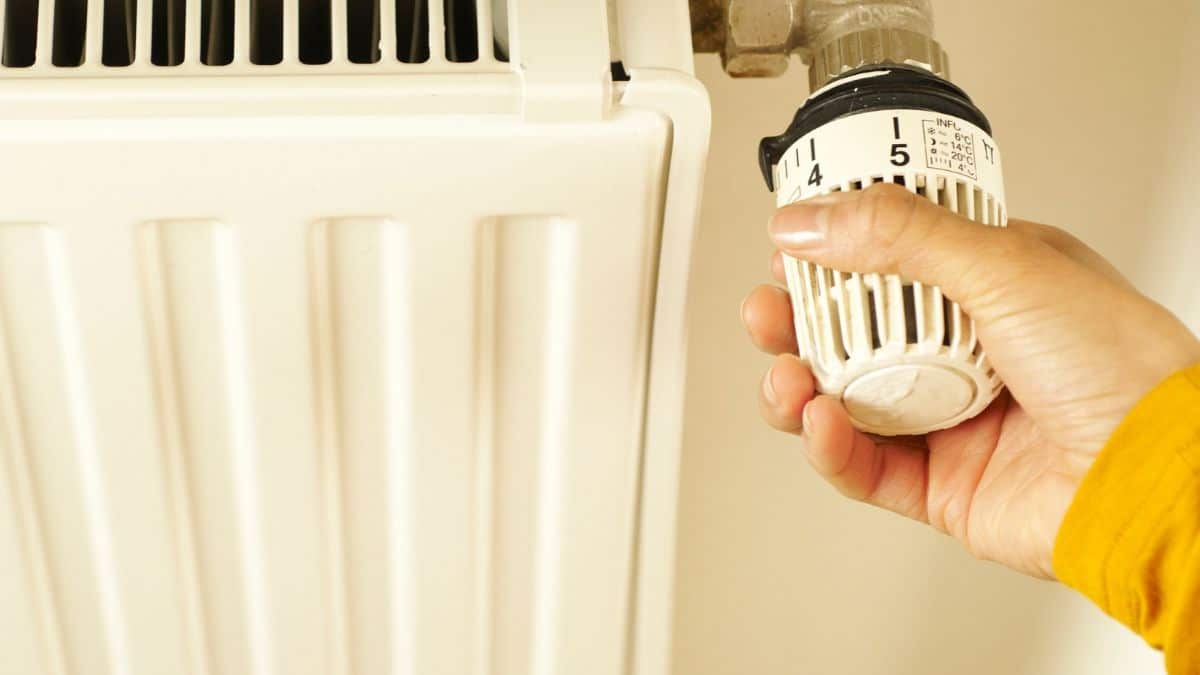
Featured image: Hand adjusting a radiator thermostat in a home. Via original publisher. Image source