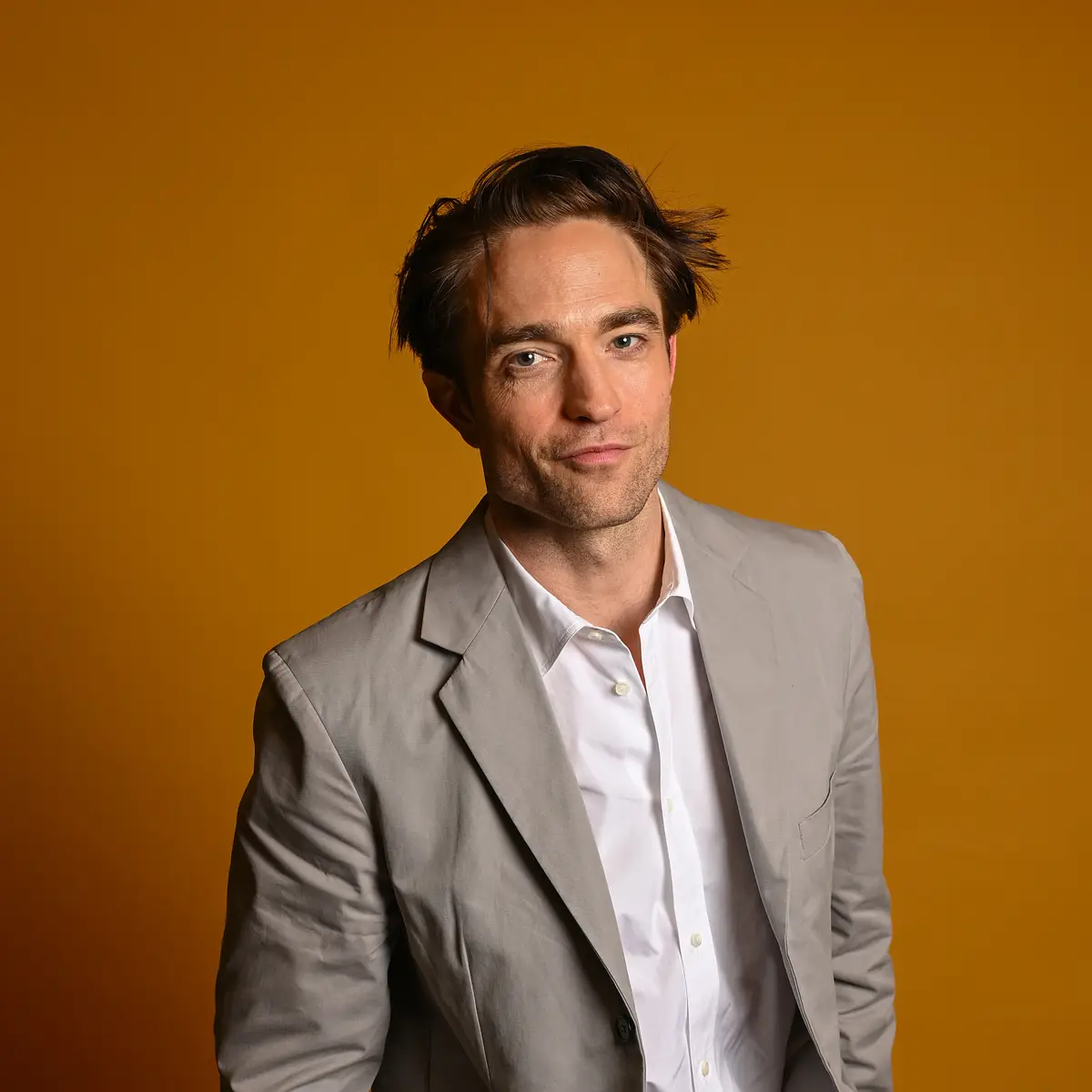
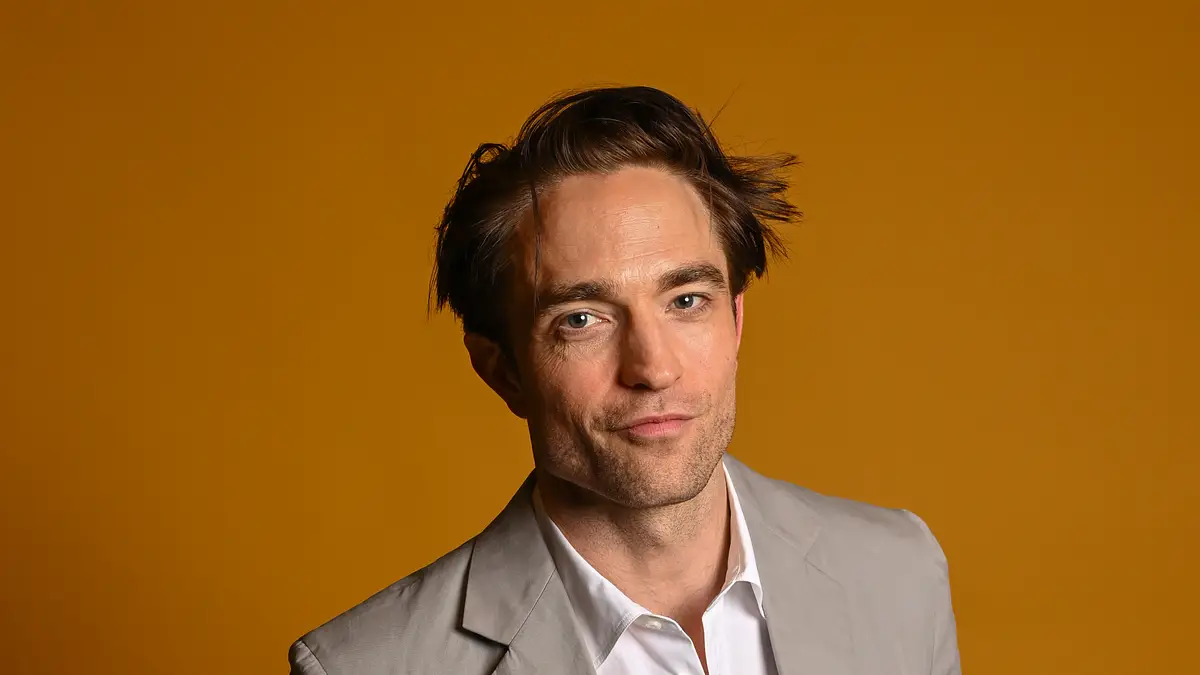
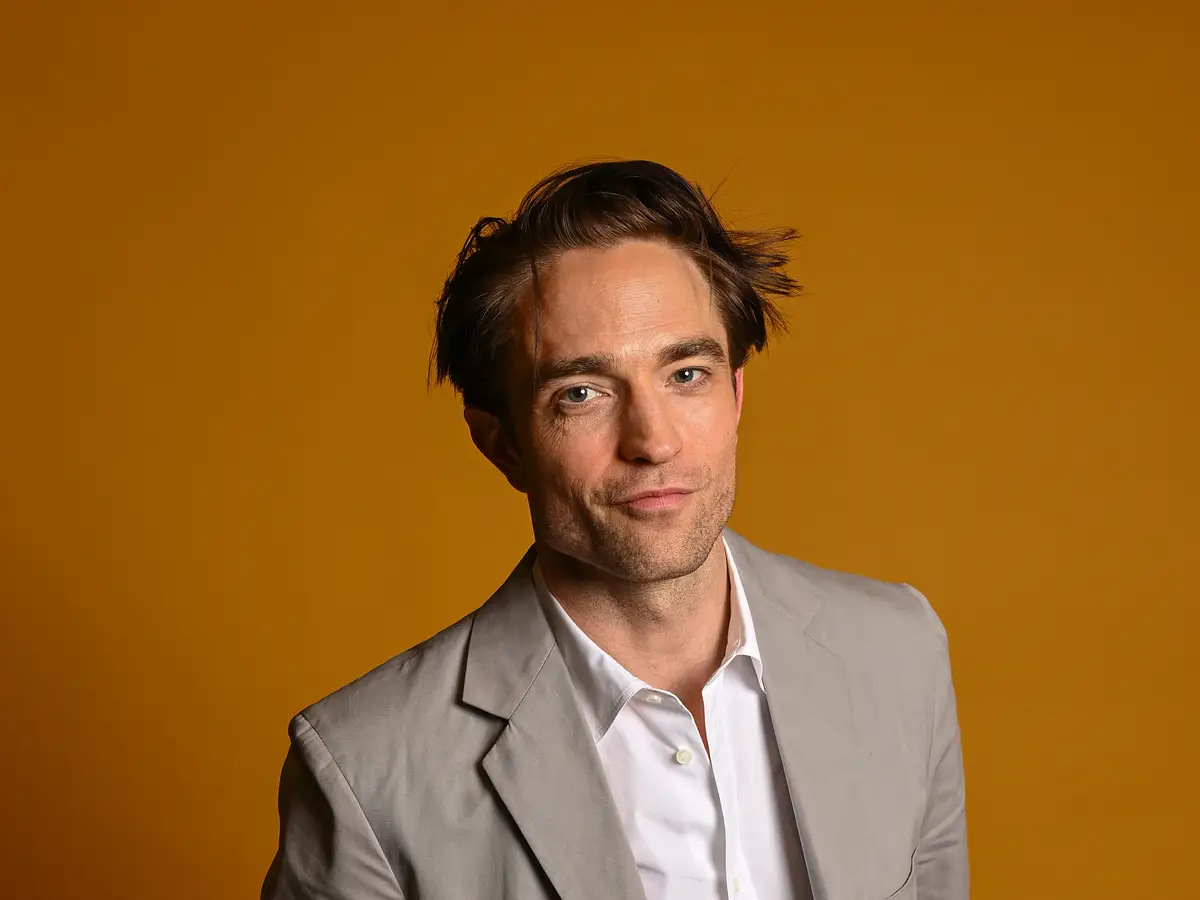
Robert Pattinson has built a diverse filmography spanning decades, genres, and international styles. From teen romance to psychological drama and sci-fi, his career reflects a journey from early fame to critical recognition.
Top-Ranked Films: Critical Acclaim and Artistic Range
The highest-rated films in Robert Pattinson’s career, according to Rotten Tomatoes, showcase a range of performances that have earned widespread critical praise.
The Boy and the Heron (2023) — 96%
Voicing the Grey Heron in Hayao Miyazaki’s Studio Ghibli film, Pattinson delivers a haunting performance. The film explores grief, trauma, and adolescence through surreal dream logic.
His voice work is described as unrecognizable, drawing attention to the emotional depth of the character. Critics praise the film’s animation and narrative cohesion, with many noting the performance as a standout.
Werner Herzog: Radical Dreamer (2022) — 96%
In this documentary about filmmaker Werner Herzog, Pattinson appears as himself. The film is not a performance-driven role, but his presence is notable.
While the documentary is lauded for its deep exploration of Herzog’s filmmaking philosophy, Pattinson’s contribution is seen as a natural fit. His demeanor and presence reflect the documentary’s tone of reverence and intellectual intensity.
The Odyssey (2026) — 94%
Set in a modern adaptation of Homer’s epic, Pattinson plays Antinous, a manipulative and ambitious ruler who seeks to claim Odysseus’s throne.
His performance is described as ‘kind of like Jacob in Twilight,’ a callback to his earlier roles. Critics have praised the character’s repulsiveness and depth, with Ben Affleck reportedly raving about it for over 20 minutes after viewing.
The film is widely regarded as a cinematic masterpiece, with Pattinson’s performance seen as a key element in its success.
Good Time (2017) — 91%
Before his role as James Bond, Pattinson starred in this crime thriller as a desperate bank robber trying to free his brother from jail.
His performance is described as a complete transformation. Critics highlight his ability to disappear into the role, with the film’s frenetic pace and New York realism adding to its impact.
Good Time is considered a pivotal film in Pattinson’s evolution from a teen heartthrob to a serious actor.
The Lighthouse (2019) — 90%
With Willem Dafoe, Pattinson plays a lighthouse keeper whose mind deteriorates under isolation and psychological strain.
Filmed in black-and-white, the film is widely regarded as a modern classic. Its psychological depth and visual intensity helped solidify Pattinson’s reputation for embracing the bizarre and unsettling.
His interviews have long included absurdist commentary, which critics note adds to the film’s authenticity and tone.
The Childhood of a Leader (2015) — 90%
Based on a story by Jean-Paul Sartre, this historical drama explores the early life of a fascist leader.
Pattinson plays both a family friend and the adult version of the central child. His portrayal of the child’s decision to follow his father into fascism is described as chilling and nuanced.
While the film received praise for its cinematography and performances, some critics found it lacking in narrative depth.
Major Franchise Roles: From Harry Potter to Twilight
Pattinson’s early career was defined by roles in major franchises. These films helped establish his public profile, though not all were critically well-received.
Harry Potter and the Goblet of Fire (2005) — 88%
As Cedric Diggory, Pattinson plays a fan-favorite hero in one of the most iconic film series of all time.
The film centers on Hogwarts and a dangerous competition among schools. Cedric’s story is central to the narrative, and Pattinson’s performance is credited with making the character deeply memorable despite limited screen time.
His performance contributed to the film’s emotional resonance, especially in its tragic conclusion.
The Batman (2022) — 85%
As Bruce Wayne, Pattinson portrays the titular character in a dark, gritty take on the Batman mythos.
The film is praised for its neo-noir atmosphere and fresh approach to the character. Pattinson’s brooding, raw performance is widely celebrated.
High Life (2018) — 83%
Set in deep space, Pattinson plays Monte, the last survivor of a dangerous mission with his daughter.
Though the film had limited box office success, it was critically acclaimed for its nuanced storytelling and meditation on human existence.
Many reviewers compare it to the works of Stanley Kubrick and Andrei Tarkovsky, praising its emotional and philosophical depth.
Mickey 17 (2025) — 77%
Another space-themed film, Mickey 17 sees Pattinson as an expendable operative on an ice planet.
The film is described as absurdist and satirical, with sharp commentary on colonization. While some critics found it less impressive than Bong Joon-ho’s previous films, Pattinson’s layered performance is widely praised.
The Drama (2026) — 76%
Starring alongside Zendaya, this psychological drama follows a museum curator whose engagement is tested by revelations about his partner’s past.
Reviewers praise the film’s exploration of morality and relationships. Pattinson’s subdued performance is noted for its emotional restraint, with one critic describing him as playing ‘handsome dudes with spines of jello’.
While the film’s central themes are compelling, some critics found the narrative ultimately hollow.
Die My Love (2025) — 74%
With Jennifer Lawrence, Pattinson portrays a man whose life descends into madness after the birth of his child.
Lawrence’s performance received the most attention. Some critics found the film repetitive and distressing, while others saw it as a tragic portrayal of postpartum trauma.
The King (2019) — 71%
As the Dauphin in a Shakespearean adaptation of Henry V, Pattinson plays a villainous French prince.
His performance is noted for its ability to portray repulsiveness, a trait that would later become a recurring theme in his career.
While the film is praised as a strong Shakespeare adaptation, not all critics found it engaging.
Tenet (2020) — 70%
Pattinson plays Neil, an assistant to John David Washington’s CIA operative in Christopher Nolan’s time-bending thriller.
The film received mixed reviews. Some found the plot mind-bending and satisfying, while others criticized its complexity and logic.
It marks Pattinson’s collaboration with Nolan and his first major role as a spy, signaling a shift in his career trajectory.
Cosmopolis (2012) — 67%
Set in a limousine, Pattinson plays a young billionaire whose world collapses around him.
Based on a novel by Don DeLillo, the film is praised for its direction and Pattinson’s performance at the time. However, many critics argue the novel is unadaptable, and the film itself received serious criticism.
Damsel (2018) — 67%
Pattinson plays an American pioneer in a historical drama that parodies Western tropes.
His performance includes absurdist humor and a convincing accent. Mia Wasikowska’s portrayal of his love interest received more praise, with many reviewers calling the film a satisfying satire.
The Rover (2014) — 67%
Set in a post-apocalyptic future, Pattinson plays a simple-minded man helping a vengeful protagonist (Guy Pearce).
Some reviewers enjoyed the film’s moody atmosphere and tension. Others found the bleakness ultimately meaningless. Still, both actors received near-universal praise for their performances.
The Devil All the Time (2020) — 65%
Pattinson plays a manipulative preacher in a crime thriller set in rural America.
He created a distinctive Southern drawl without a dialect coach, keeping it secret until filming began. Critics found the film a devastating exploration of rural America’s underbelly, though others called it excessively morose.
Life (2015) — 63%
As photographer Dennis Stock, Pattinson stars in a biopic of James Dean.
His performance, alongside Dane DeHaan, is praised overall. However, critics found the film lacking in narrative cohesion and emotional depth.
Maps to the Stars (2014) — 63%
Pattinson plays a limousine driver in a Hollywood satire.
His performance is seen as part of a larger ensemble. Some reviewers found the film’s satire convincing, while others felt the characters were too mean-spirited and unlikable.
Water for Elephants (2011) — 60%
As a veterinary student, Pattinson joins a traveling circus and falls for a performer (Reese Witherspoon).
While the film is criticized for being clichéd, some praise its period detail and sentimentality. At the time, Pattinson remained firmly associated with his vampire persona from Twilight.
One critic noted that it was still unclear whether Pattinson could be more than a brooding vampire.
Waiting for the Barbarians (2019) — 53%
As a secret police officer, Pattinson investigates rumors of rebellion in a fictional land.
His performance is seen as a strong example of his villainous range. However, most attention was on Mark Rylance’s portrayal of the magistrate. The film resonated with some critics but was criticized for being overly heavy-handed.
Twilight Series: A Polarizing Legacy
The Twilight films remain a significant part of Pattinson’s career, though they are widely criticized by critics and personally disliked by the actor.
Twilight (2008) — 48%
The first film in the series sees Bella Swan fall for Edward Cullen, a vampire who eats animals.
It is widely beloved by fans but criticized for its brooding, awkward performances. The film is seen as a coming-of-age story with a monster romance, and some find it oddly funny.
Eclipse (2010) — 46%
Edward and Jacob’s love triangle reaches a climax. Critics found the plot and character behavior deeply concerning.
Pattinson has openly expressed his dislike for the franchise. In an interview with Empire, he said, ‘The more I read the script, the more I hated this guy, so that’s how I played him, as a manic-depressive who hates himself.’
New Moon (2009) — 28%
After Edward breaks up with Bella, she pursues dangerous actions to bring him back. The film is described as moody, romantic, and campy.
Many critics found it predictable and clichéd. The film’s soundtrack and tone remain popular with fans, though critics largely dismissed it.
Breaking Dawn Part 1 (2011) — 25%
After a wedding, Bella becomes pregnant. The film veers into body horror, with a scene involving placental consumption.
Many critics found the twist unpalatable. Pattinson has called the film a ‘weird story’ in a 2019 interview.
He later expressed enthusiasm for the franchise’s enduring popularity, saying in a 2026 interview, ‘It’s amazing. I can’t actually believe how many waves of new generations being so into it, it’s wonderful. I can’t wait to watch them all again.’
Breaking Dawn Part 2 (2012) — 49%
Edward and Bella’s story concludes with a dramatic fight scene and CGI babies.
While not a favorite among cinephiles, the film remains beloved by fans for its soundtrack and emotional crescendo. It marks the end of a franchise that defined Pattinson’s early fame.
Bel Ami (2012) — 27%
Pattinson plays a corrupt social climber in 19th-century Paris. The film is criticized as contrived and pallid.
Some found his performance a highlight in an overwrought, poorly executed film.
Little Ashes (2008) — 25%
As a young Salvador Dalí, Pattinson portrays a surrealist painter in a biopic set during the Spanish Civil War.
Some reviewers found the subject matter intriguing, but many felt the performance lacked depth. The film is seen as a shallow take on a rich artistic legacy.
Queen of the Desert (2015) — 17%
Set in the British Empire era, this film tells the story of explorer Gertrude Bell.
Pattinson plays T. E. Lawrence. Despite the film’s impressive pedigree, it is widely regarded as directionless and overly focused on male relationships. His performance received little attention.
Conclusion: A Career in Transition
Robert Pattinson’s filmography spans a wide range of genres and critical responses. From early romance to psychological depth, his career reflects a deliberate evolution.
While some films are celebrated for their emotional or artistic ambition, others remain controversial or poorly received.
His journey—from a teen heartthrob to a serious actor—shows a commitment to diverse roles and evolving artistic expression.
Despite the polarized reception of some films, especially the Twilight series, Pattinson continues to take on challenging roles in both mainstream and independent cinema.
His latest roles, such as in The Odyssey and The Boy and the Heron, suggest a growing confidence in his ability to portray complex, morally ambiguous characters.
His career remains a testament to the power of transformation in acting—one that continues to unfold with each new role.
For fans and critics alike, Robert Pattinson’s filmography offers a compelling narrative of growth, reinvention, and artistic risk.
Explore more on the Twilight franchise with our Twilight Zone Seasons Ranked by Rotten Tomatoes article.
Sources & further reading
Featured image: original publisher image. Via original publisher. Image source