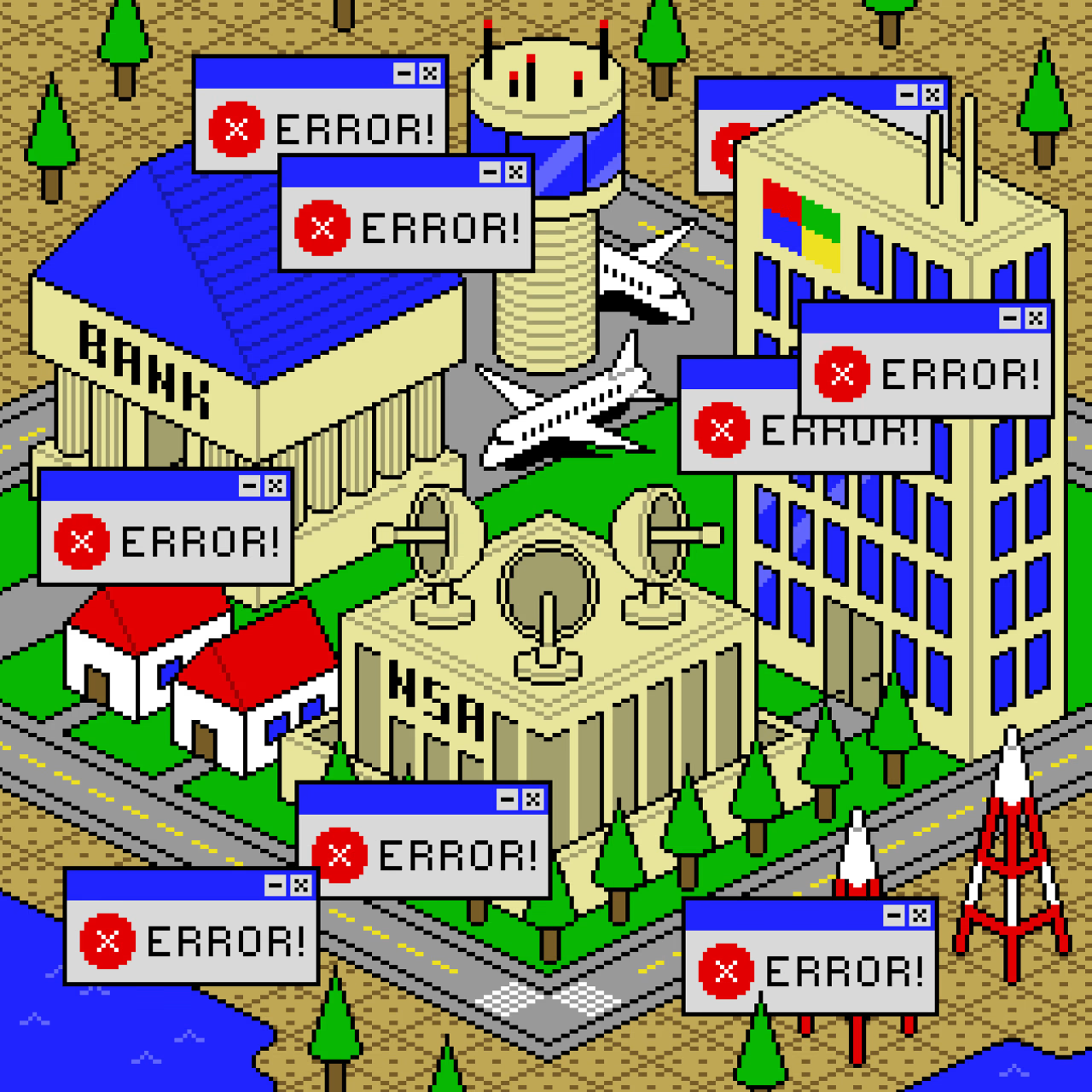
Our world is now hyperconnected. We built it to make life easier. But now, it’s breaking more than it’s working. Source: wsj.com.
What Happened: A World of Interdependence
Technology has enabled seamless connections across devices, services, and systems. From flights to cybersecurity, everything is now linked.
That interdependence has created a new reality: when one system fails, others ripple. A flight delay can trigger a chain of cancellations. A cyberattack on a power grid can disrupt entire cities.
The Wall Street Journal reports that modern infrastructure relies on overlapping networks. A single point of failure can cascade across sectors. This isn’t theoretical. It’s already happening.
Key Examples from Real-World Systems
- Flight systems: Airlines now depend on real-time data sharing. A software glitch in one system can delay or cancel thousands of flights.
- Cybersecurity: As more systems go online, attacks grow in scale. A breach in one service can expose data across others.
- Smart infrastructure: Cities use interconnected sensors for traffic, energy, and public safety. When one sensor fails, it can trigger false alarms or system shutdowns.
These aren’t isolated events. They reflect a broader pattern: systems are designed to work together, not to fail safely.
Why It Matters: The Hidden Cost of Connectivity
Connectivity was promised to improve efficiency and reduce friction. But it has introduced new vulnerabilities.
When systems are tightly linked, a failure in one part spreads quickly. There’s no natural buffer. Unlike physical systems, digital ones don’t have redundancy built in by default.
As one expert noted, we wanted a hyperconnected world and now we have to live in it.
That means we’re living with the consequences of design choices that were made without full risk assessments.
Limitations and Open Questions
Not all failures are equal. Some are predictable, others are sudden. The source does not specify how many systems have been tested for failure scenarios.
There’s no official database of how often cascading failures occur. The data is fragmented. Most reports come from incident afterthoughts, not proactive analysis.
Experts agree that resilience is not a feature. It’s a design principle. But it’s still underdeveloped in most digital systems.
What to Watch Next
Regulators are beginning to examine how interconnected systems respond to failure. The U.S. Department of Energy and the Federal Aviation Administration are reviewing how to improve system resilience.
Companies are now being asked to conduct more stress tests on their digital infrastructure. But enforcement remains weak. The timeline for widespread changes is uncertain.
As one analyst said, we didn’t build systems to fail gracefully. We built them to work perfectly—until they didn’t.
For now, users must adapt. They need to understand that when a service fails, it might not just be a glitch. It could be a symptom of a larger system collapse.
That reality is not new. But it’s becoming more urgent. The world is no longer made of isolated parts. It’s made of fragile connections.
Sources & further reading
Featured image: original publisher image. Via original publisher. Image source