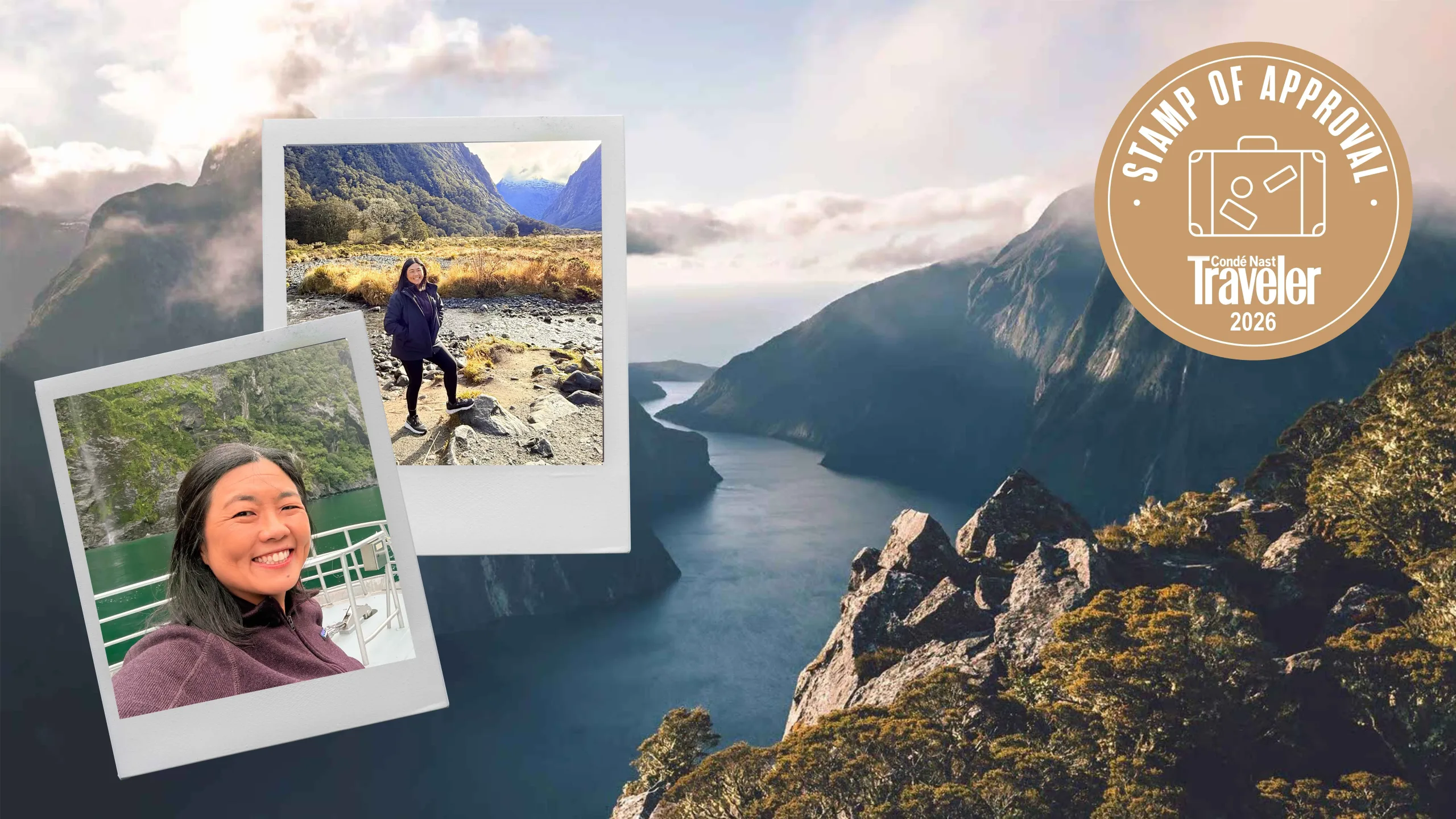
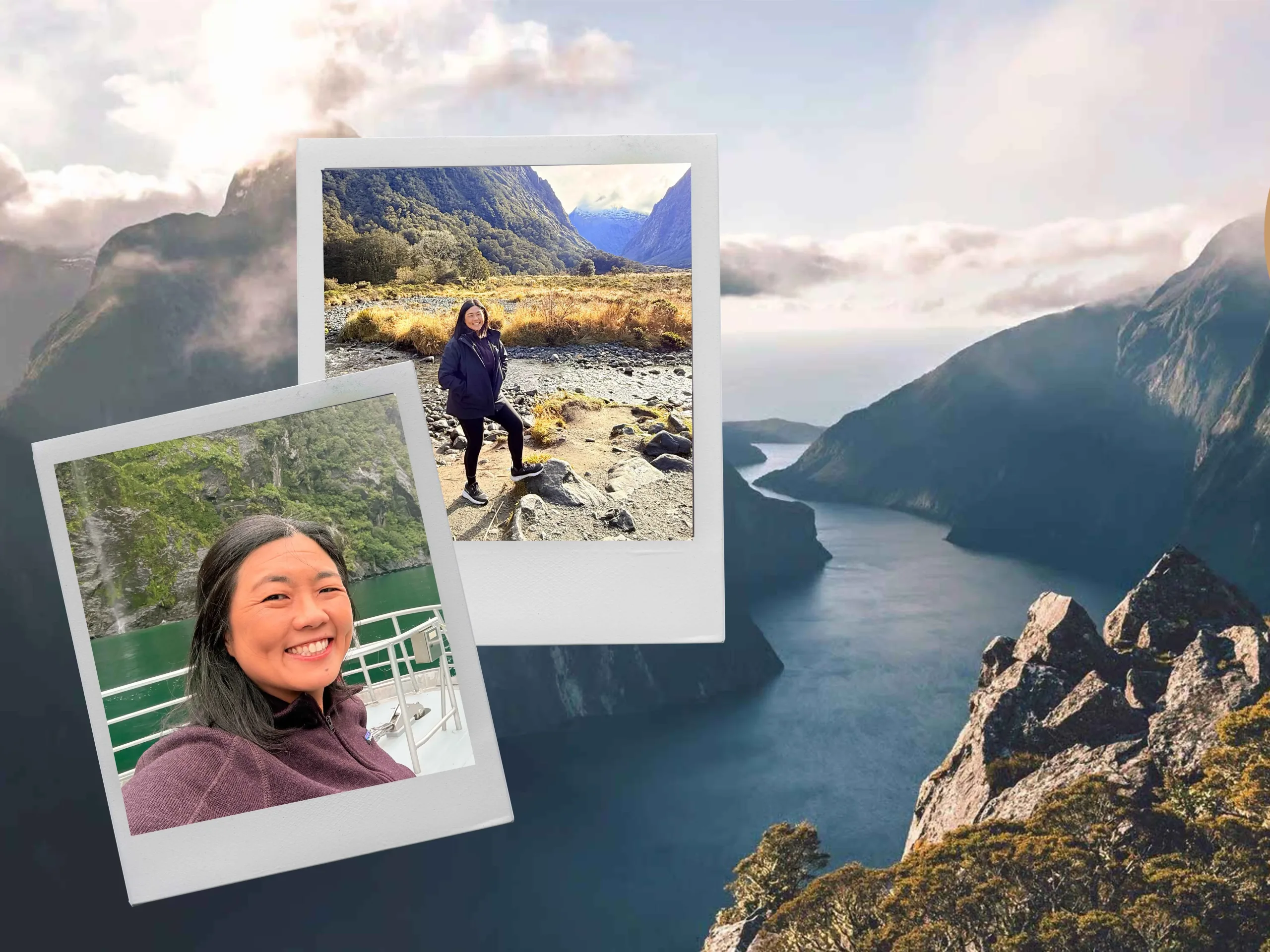
As a solo traveler who has booked day tours across six continents, Rachel Chang’s experience on a Milford Sound excursion in New Zealand stands out. It wasn’t just a scenic journey—it was a transformation in how travel can feel when luxury, nature, and local culture converge.
From Solo Travel to a Full-Body Experience
After arriving in Auckland from New York on a 17-hour flight, Chang explored the North Island. She visited the Hotel Britomart and Te Papa Tongarewa. But the South Island’s geography—spanned by the Southern Alps—made driving a risky choice for someone unfamiliar with New Zealand’s road layout.
Chang has long relied on GetYourGuide to plan day trips. She booked several options: a train tour from Christchurch and a farm tour in Queenstown. These were enjoyable, but none matched the emotional and sensory impact of her final excursion.
The Milford Sound Business Class Tour
It begins in Queenstown and includes a scenic drive through the Milford Sound Road, followed by a cruise through the fjord known as Piopiotahi in Māori.
The van is a glass-roofed Mercedes Sprinter. It seats 14 people. Each seat features a gray lambswool blanket, a green plush pillow, and a bottle of Manuka ginger Vitamin C juice—something Chang, a ginger enthusiast, found immediately appealing.
On the Road: A Journey of Context and Comfort
During the five-hour drive to Te Anau, the guide provided detailed explanations about Milford Sound’s history, ecosystems, and Indigenous Māori connections. This wasn-just background—it was a way to understand the land’s significance. The guide shared stories of how the Māori people have long revered the area as a sacred space, with Piopiotahi meaning ‘the place of the deep water’ in Māori. These narratives helped frame the landscape not as a backdrop, but as a living, cultural entity.
Starlink Wi-Fi kept passengers engaged. At Garston, a rural settlement, the group stopped briefly. Then they arrived in Te Anau, where a local shop served as a business class lounge.
Chang ordered coffee. It arrived in a reusable mug with her name on it. The coffee was already prepared, and a plate of pastries was ready. This level of service felt personal and intentional. The inclusion of a reusable mug reflects RealNZ’s commitment to sustainability, aligning with New Zealand’s broader environmental values and the country’s reputation for eco-conscious tourism.
Entering Fiordland National Park
Fiordland National Park is a UNESCO World Heritage site. As the van passed through, foliage on both sides of the road enveloped the vehicle. The route wound gently through the landscape. It includes dense rainforests, glacial valleys, and high-altitude alpine zones, all of which contribute to the region’s biodiversity and ecological significance.
Key stops included:
- Eglinton Valley: A flat area with golden tussock grass and sharp mountain peaks. The valley is a remnant of ancient glacial activity, shaped over millennia by ice and meltwater.
- Mirror Lakes: A still body of water where the Earl Mountains reflect perfectly. The lake’s clarity is due to minimal human interference and the absence of surrounding development.
- Falls Creek: A waterfall cascading into a teal pond. The water flow is fed by seasonal rainfall and snowmelt, making it a dynamic feature that changes with the seasons.
- Monkey Creek: Where Chang spotted kea, the world’s only alpine parrots. These birds are known for their boldness and playful behavior, often seen perched on rocks or flying in tight formations. Their presence is a sign of a healthy, undisturbed ecosystem.
As they passed through the Homer Tunnel, less than a mile long, the guide switched the soundtrack to the Jurassic Park theme—a moment of playful drama that matched the journey’s unfolding grandeur. This choice was not arbitrary; it was a deliberate nod to the sense of wonder and scale that the landscape evokes, drawing a parallel between ancient Earth and the awe-inspiring natural formations visible in the fjord.
Arrival at Milford Sound
At the Cleddau Valley, the landscape shifted dramatically. The van descended into a narrow valley with towering granite walls. The view of the fjord stretched out in the distance.
A bridge stop offered a view of Mount Tūtuko, Fiordland’s highest peak. Its prominence in the skyline underscores the region’s dramatic topography and the scale of natural formations in the Southern Alps.
Then the group arrived at the Milford Sound Visitor Terminal to board the MV Sinbad.
The Cruise and the Tasting Menu
Upon boarding, Chang was greeted with a glass of Cloudy Bay wine. She was seated at a bean-shaped wooden table with two swivel chairs and a couch, facing expansive windows. The design of the seating reflects a balance between functionality and comfort, with ergonomic features and natural materials that blend into the environment.
The five-course tasting menu began with a seeded sourdough bun and whipped kelp butter. Next came a Fiordland wapiti (elk) bone broth soup. Then a trio of bite-sized dishes:
- Paua (sea snail) with black garlic
- Fried titi (a local seabird) ball
- Mount Cook salmon roe
The penultimate dish was wapiti tartare with potato crisps and smoked eel. The finale was a dessert called a ‘flat white’—an ice cream-topped version of a popular coffee drink. Each dish was crafted using locally sourced ingredients, emphasizing regional sustainability and food security.
Between courses, the captain described the falls. He highlighted Sutherland Falls (1,904 feet), Lady Bowen Falls (531 feet), and Stirling Falls (508 feet). When he noted that Niagara Falls is only 180 feet tall, Chang questioned whether she had heard correctly. The guide confirmed it—yet the calmness of the fjord’s beauty outweighed the height. The falls, while impressive in scale, are not as visually overwhelming as one might expect, due to the surrounding natural environment and the way the water flows over smooth, natural rock formations.
The area is home to bottlenose dolphins, Fiordland crested penguins, and humpback whales. A New Zealand fur seal lounged at Seal Rock during the cruise. The peaks remained a constant presence—some jagged, others smooth. The presence of marine life indicates a thriving ecosystem, maintained by minimal human impact and strict conservation policies.
Returning to Queenstown
After the two-hour cruise, the group returned to the van. A bag of Marlborough Sea Salt Proper Crisps and a Whittaker’s chocolate bar were waiting on Chang’s seat. A hand towel was included as part of the business class experience. These small touches—like the crisp bag and chocolate bar—add a layer of personalization and comfort, reinforcing the idea that the tour is designed not just for sightseeing, but for holistic well-being.
As they began the return journey, Chang looked out through the glass roof. She smiled. By the time they reached Queenstown, she had spent 10 hours in the van—yet she barely noticed. The journey was not just a trip—it was part of the destination.
How to Book the Tour
The Milford Sound Business Class tour starts at $383 per person. It is available through GetYourGuide or directly on RealNZ’s website.
Other options include:
- A coach version of the tour
- Starting from Te Anau instead of Queenstown
- A self-drive experience
- A 45-minute flight back to Queensland (weather-dependent)
- An overnight cruise with private cabins or shared bunk-style compartments
The tour was designed to offer both comfort and immersion. It blends natural beauty with gourmet dining and cultural context. It reflects a growing trend in travel: premium, curated experiences that prioritize sensory engagement over mere sightseeing.
While the experience is luxurious, it is not without limitations. The tour is weather-dependent. The flight option back to Queensland is not guaranteed. The cruise is not available year-round. And while the food is locally sourced, some dishes may not appeal to all palates.
For solo travelers, this tour offers a rare blend of safety, comfort, and connection to place. It proves that travel can be both accessible and deeply personal—especially when designed with care and intention.
RealNZ’s approach to this tour demonstrates how modern travel experiences are evolving. Rather than simply offering a list of stops, the company integrates storytelling, environmental awareness, and sensory design to create a narrative arc that resonates emotionally with travelers. This model could serve as a blueprint for future eco-luxury experiences in other regions, where natural beauty and cultural depth are preserved and shared in a respectful, sustainable way.
Originally published at CN Traveler.
Sources & further reading
Featured image: original publisher image. Via original publisher. Image source