The ‘Sister’ Sketch and the Hidden Burden of Caregiving
A new Saturday Night Live sketch titled ‘Sister’ has sparked widespread discussion about the caregiving responsibilities women and daughters face when aging parents require care. Source: theguardian.com.
In the parody, John Mulaney claims ‘Sister’ is completely free. It allows him to return to his hobbies and life. The scene shows Jane Wickline giving medication to a father. This symbolizes daily tasks many daughters perform.
The sketch went viral. It amassed over seven million views on YouTube in less than a week.
Viewers Feel Seen
Many viewers said the sketch felt deeply authentic. One comment: ‘This is one of the MOST wicked and spot on SNL sketches ever written.’
Another wrote: ‘As a hospice nurse, this definitely tracks. I deal 90% of the time with adult daughters. If there’s no daughter, it’s the daughter-in-law.’
Real-Life Caregivers Speak Out
Shauna Sweeney, a caregiver and founder of tendercare, said she has been in the caregiving space for years. She noted the sketch reflects a long-held reality: ‘Many of us who are considered sisters have been acknowledging this in private circles for some time.’
She began caring for her father after his 2014 Alzheimer’s diagnosis. Her experience led her to create tendercare—a free platform that helps families organize care plans, prepare for emergencies, and connect with local providers.
Stacey Barnes, a 45-year-old web developer from Minnesota, said she was stunned when she saw the sketch. She’s lived with her parents since her mother’s Parkinson’s diagnosis a year and a half ago. She now provides most of her mother’s care.
‘I’ve never felt seen like that before,’ Barnes said. ‘I’ve never identified with a lot of pop culture. This is the first time—maybe since Daria—where I felt something was relatable.’
How Caregiving Is Shaped by Culture
Research shows over 51 million Americans—nearly one in five adults—provide care to someone age 50 or older. Of those, three out of five are women.
A 2017 JAMA commentary stated: ‘The best long-term care insurance in our country is a conscientious daughter.’ This shows caregiving is often seen as a default role for daughters.
Dr. Sarah Oreck, a reproductive psychiatrist, said girls are taught from a young age to be helpful. ‘Girls play with baby dolls and pretend to feed and change the baby,’ she said. ‘These early experiences shape expectations of care as a woman’s role.’
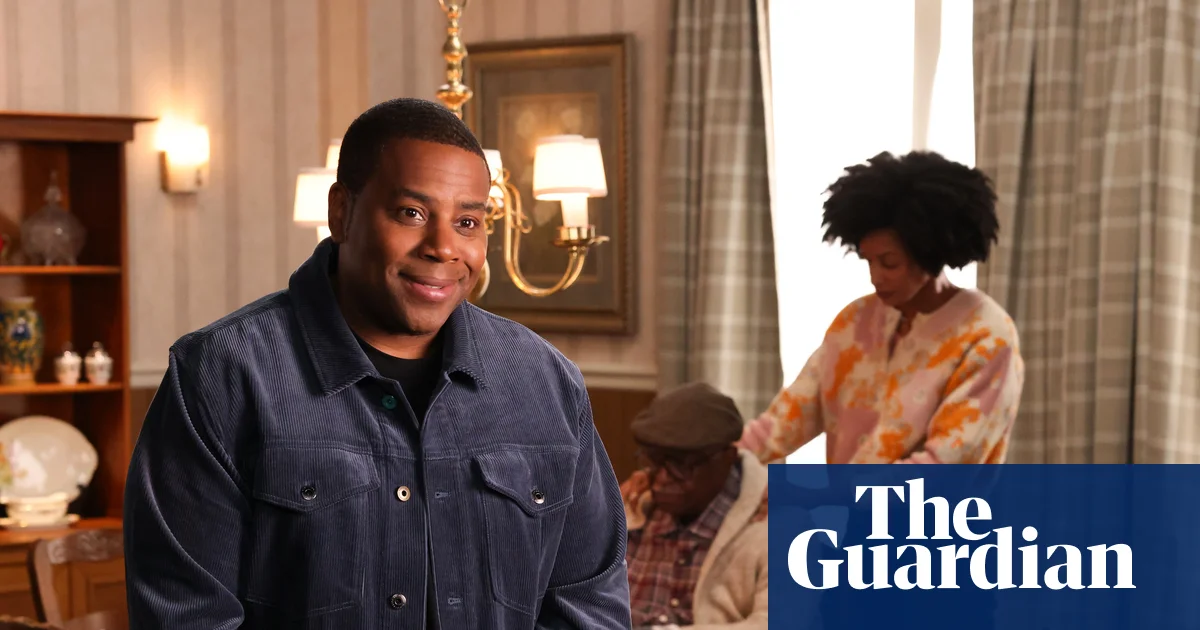
The sketch includes a doctor explaining: ‘Years of internalized sexism warp Sister’s brain into thinking caretaking is her responsibility and somehow not yours.’ This reflects a cultural pattern where caregiving is seen as a woman’s duty—often at personal and financial cost.
Public Figures Respond
Melinda French Gates shared the sketch on Instagram. She wrote: ‘I don’t know of any SNL sketch that has so quickly made its way into so many group chats as the “Sister” commercial. I’m so glad we’re talking about this, and laughing about it. We need more honesty about what caring for loved ones really takes and why so much of that work falls to women.’
U.S. Senator Kirsten Gillibrand used the sketch to promote her legislation—the Supporting Our Direct Care Workforce and Family Caregivers Act, introduced in June 2026. The bill would provide federal funding to states to train and retain care workers and support family caregivers.
Currently, the U.S. has no federal support for family caregivers. Medicare covers short-term medical needs. Medicaid covers long-term care—but only if medical and financial criteria are met.
Gillibrand wrote on X: ‘If you’ve seen—or lived—SNL’s “Sister” sketch, you know how quickly life changes when an aging parent needs care. Congress should come together to pass my bill that would give family caregivers the resources and support they need.’
Real Costs of Caregiving
Sweeney emphasized that caregiving has real costs. ‘It’s nearly impossible to do all of this without real fallout,’ she said. ‘Whether it’s to your mental health or financially, the consequences are real.’
Many caregivers face emotional strain, financial loss, and reduced access to personal time and opportunities. The sketch, while satirical, highlights these realities with striking clarity.
While the sketch is satire, it reflects a widespread reality. Not all women take on caregiving roles. Some men do provide care. But the burden remains disproportionately high for women—especially when daughters are the primary caregivers.
There is no official data on how many women take on such roles or on the long-term impacts of caregiving on women’s health or employment.
The sketch has spread widely across social media and group chats. Its long-term impact on policy or public awareness remains to be seen.
Attention is now focused on whether the Supporting Our Direct Care Workforce and Family Caregivers Act will move forward in Congress. If passed, it could mark a significant step in recognizing caregiving as a vital, yet under-supported, part of American life.
The sketch has opened a space for dialogue—both in private circles and in public forums—about what it means to care for aging parents and how society should support those who do.
Sources & further reading
Featured image: original publisher image. Via original publisher. Image source