A reader shares their personal journey through retro computing, highlighting three home computers that shaped their early gaming experiences in the 1980s. These systems—Amstrad PCW 8256, BBC Acorn Electron, and Commodore Amiga—were not only popular among UK households but also played a pivotal role in making gaming a socially acceptable and accessible pastime during a formative decade in digital culture. Source: metro.co.uk.
Amstrad PCW 8256: A Gateway to Early Gaming
The Amstrad PCW 8256 was the reader’s first home computer, received as a Christmas gift in the late 1980s. Designed primarily as a word processor, it was a practical machine for school and home use, offering a user-friendly interface that introduced the reader to basic computing functions.
Two games stand out: Sky War and Tomahawk. In Sky War, players control a helicopter in an arcade-style shoot ‘em-up, navigating through increasingly complex levels that demand precision and reflexes. Each keyboard input produces a distinct bleep sound, a design choice that added a playful, almost musical element to gameplay.
The reader recalls playing Sky War repeatedly. The bleep sound echoed with each shot, becoming a familiar part of their routine. This audio feedback helped create a sense of immediacy, even with limited visuals.
Tomahawk is a combat flight simulator. Despite hardware limits, it offered a responsive and immersive experience. Players manage flight mechanics like altitude and speed. The game felt alive, even if not graphically advanced.
BBC Acorn Electron: A Schoolroom Introduction to Adventure
The BBC Acorn Electron was first seen at the reader’s primary school. It was common in UK homes and schools during the 1980s, helping bring computing into everyday life.
The standout game is Twin Kingdom Valley. It’s an adventure game with branching choices. Players shape the story through decisions, a feature advanced for its time. The game has hand-drawn graphics and simple animations, impressive for its hardware.
One teacher used it to teach decision-making and storytelling. The reader remembers being struck by how choices shaped the narrative. This experience helped them see games as interactive stories.
Though only one game was played, it had a lasting impact. It led to a love of console gaming, including the Sega Mega Drive in the 1990s. The reader still remembers it as an all-time classic.
Commodore Amiga: A Machine That Inspired a Generation
The reader first saw the Commodore Amiga at a friend’s house. Vibrant games like Wacky Races and Rainbow Islands were being played. The Amiga had superior graphics and sound thanks to custom chips.
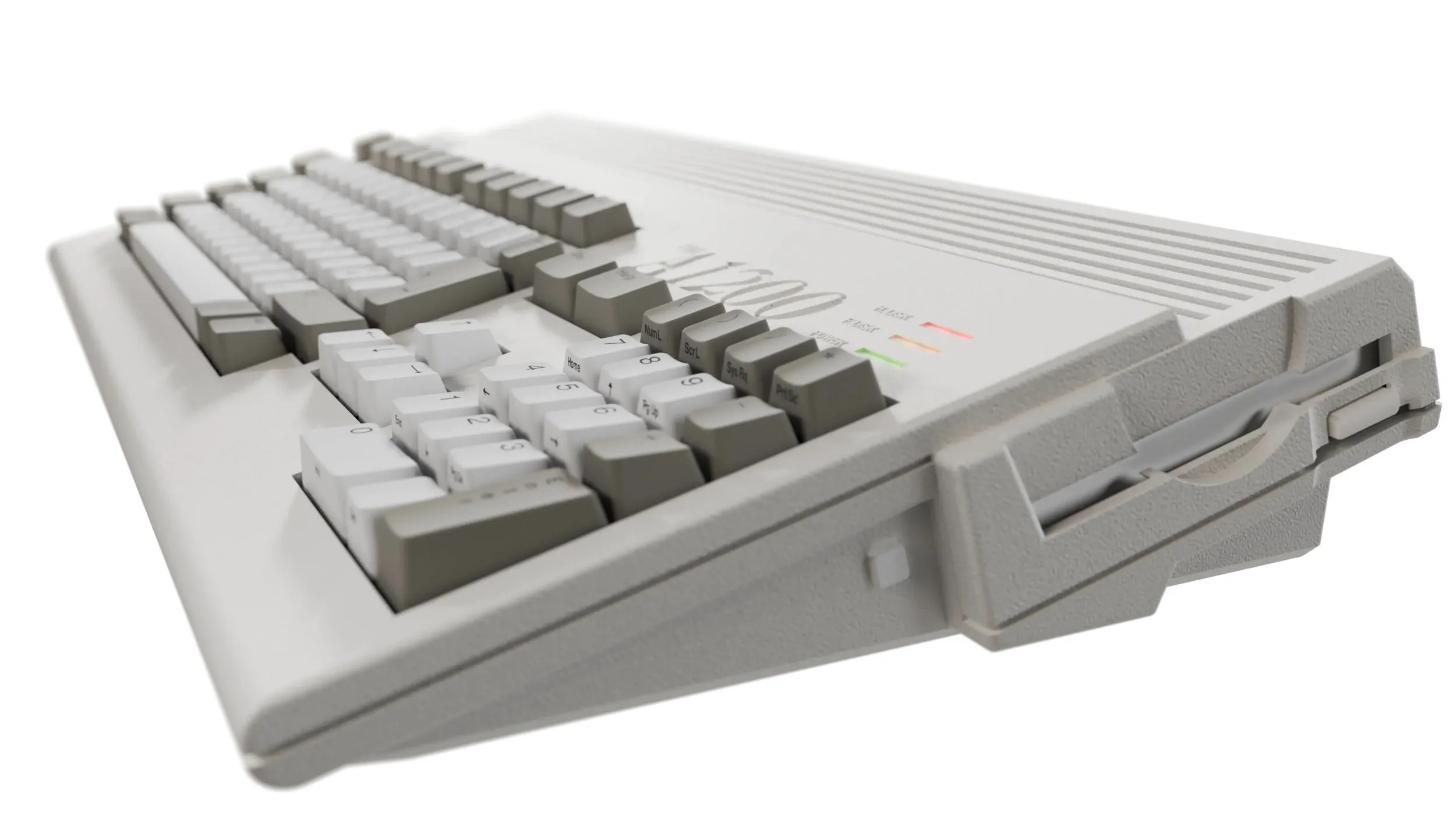
The Amiga OS was seen as more intuitive than Microsoft Windows at the time. It had a clean interface and efficient multitasking. Classic titles like Alien Breed and Zool were popular and are now considered classics.
While the reader never owned an Amiga, seeing it in action made it a favorite. Wacky Races and Rainbow Islands remain top picks. Hundreds of other games are remembered as classics.
Legacy and Broader Impact
These three computers helped make gaming more accessible and socially acceptable in the 1980s. They were more than entertainment—they were learning tools.
By playing games and using word processors, the reader learned how computers worked. This built a lifelong interest in both gaming and technology.
Early exposure to home computers broke the idea that computers were only for schools or professionals. Playing on these systems made tech feel personal and fun.
The experience helped the reader transition to console gaming and beyond. It laid the foundation for later generations of games, from CD-based titles to 3D graphics.
Today, these systems are remembered not just for their games, but for how they helped form modern gaming culture. They mark a key era when personal computing merged with entertainment.
Want more on retro gaming? Explore the GTA 6 30fps reader reactions for insights into how classic gaming aesthetics influence modern titles.
For broader perspectives on digital culture? See how digital isolation affects modern users, a topic with roots in early computing experiences.
Sources & further reading
Featured image: original publisher image. Via original publisher. Image source