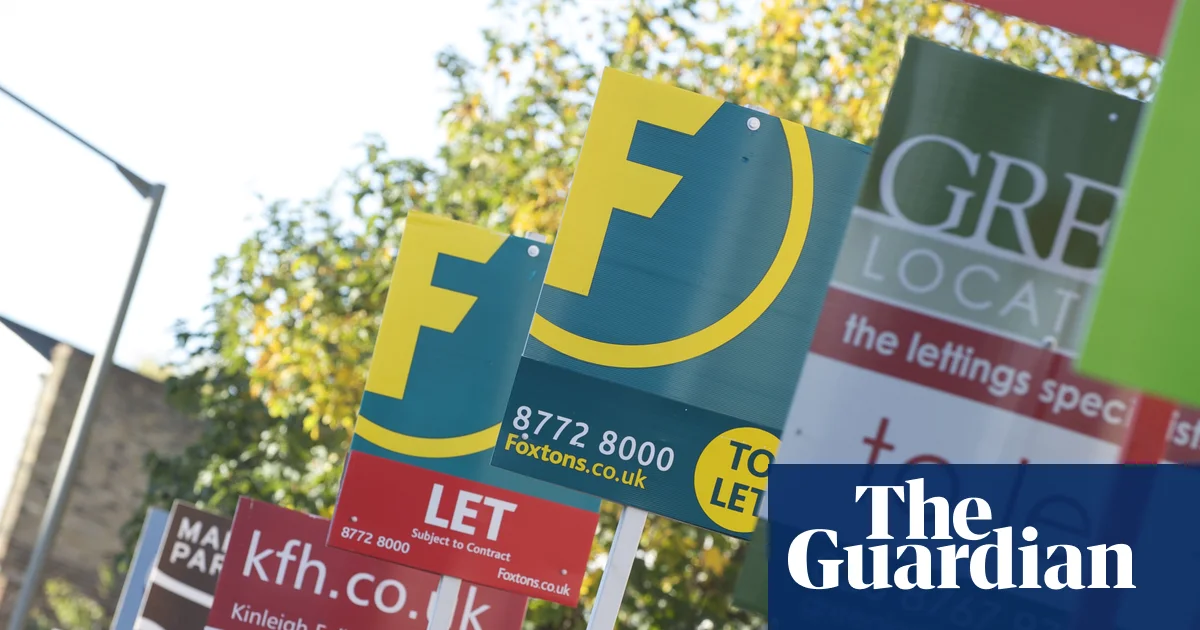
Rents in Britain are expected to rise faster than house prices until at least 2029, according to a forecast by estate agent Hamptons. The research shows a growing gap between rental and ownership costs, driven by a shortage of homes. Source: theguardian.com.
Key Forecast: Rents to Grow 14.2% by 2029
Rents on newly agreed rental properties are projected to increase by 14.2% between 2026 and 2029. This is nearly double the expected growth in house prices, which is forecast at 7.2% over the same period.
Rent growth will peak at 4.5% in 2027. These figures show a steady rise in rental costs, even as house price growth slows.
Supply Shortages Are Driving the Rise
The number of rental homes available in Britain has dropped sharply. In October, supply was 26% lower than a decade earlier. In London, the drop was 39%.
Landlords face higher operating costs and tighter regulations. The Renters’ Rights Act has limited their ability to raise rents. These changes have reduced rental supply. Demand now outpaces availability.
Landlords’ Cost Pressures
Aneisha Beveridge, head of research at Hamptons, said landlords have historically not been able to pass on higher costs to tenants. Recent trends have changed.
She explained: ‘As costs have risen across the sector and rental supply has fallen, the bar has shifted, allowing more of those increases to feed through into higher rents.’
Higher tax and mortgage rates over the past decade have added about £900 per year to the cost of a tenancy in England—equivalent to 18% of rental growth over that time.
Buying or Renting? A City-by-City Breakdown
Lloyds Bank research found buying is cheaper than renting in seven of the UK’s 12 major cities outside London.
- Glasgow: Monthly mortgage repayments were £288 lower than average rent.
- Newcastle, Bristol, Belfast, and Nottingham: Monthly mortgage costs were also lower than average rent.
- Edinburgh: There was minimal saving from buying over renting.
However, in cities like Leeds, Liverpool, Birmingham, and Cardiff, rent payments were cheaper than mortgage repayments.
Andrew Asaam, mortgages director at Lloyds, said: ‘For anyone weighing up whether to rent or buy, the monthly costs really matter.’
He added: ‘Even where the mortgage costs a little more, every repayment chips away at the amount owed and builds up the owner’s stake in their home. For those planning to stay put for several years, that can make a real difference over time.’
Why This Matters
The growing gap between rental and ownership costs shows a deeper housing imbalance. Fewer rental homes mean higher costs for tenants. Affordability remains a challenge for buyers.
These trends could strain household budgets, especially for younger people or first-time homebuyers.
Limitations and Open Questions
The data is based on forecasts, not current market conditions. The Renters’ Rights Act and other rules may change, affecting supply and pricing.
The research does not include future policy shifts or economic shocks like inflation spikes or interest rate changes.
Private rentals and short-term lets are not covered. These may grow in importance.
More data on tenant needs and demographics is needed to fully understand the impact of these trends.
For individuals choosing housing, the decision between renting and buying depends on personal goals, finances, and long-term plans.
Updated market data and policy changes will be key to tracking future trends.
Sources & further reading
Featured image: original publisher image. Via original publisher. Image source