Busy working parents on both sides of the Atlantic are turning to paid services to manage daily household and personal tasks. These services, known as life personal assistants (PAs), help reduce the growing mental strain of modern life. Source: bbc.co.uk.
What’s Changing in Personal Care Services?
Maxine Dillion, a 44-year-old self-employed social media consultant in Mansfield, Nottinghamshire, once felt overwhelmed by small daily tasks. She struggled with chores like hiring a handyman or posting clothing returns on Vinted.
Life Laundry, launched in 2025 by Alicia Papachristou and Jane Forbes in Wakefield, Yorkshire, offers such support. The company now serves 25 customers, mostly women. Most tasks are done remotely. Staff travel to Mansfield once a month for in-person work.
How the Service Works
Life Laundry acts as a life personal assistant service. It handles tasks like managing subscriptions, sending school emails, and arranging insurance. Work ranges from simple to urgent—such as last-minute travel or emergency purchases.
Amanda Sims Nichols, a business consultant in Austin, Texas, pays $2,250 (£1,750) monthly for 25 hours. She uses Queen of To Do, founded by Kate Ginsberg in 2011. The company now has over 50 active users. Demand has grown since the pandemic.
Ginsberg says her team handles diverse tasks—like flying to New York for a Christmas gift or helping a client find a wedding venue with three days’ notice due to a hurricane. These examples show how life PAs manage both routine and urgent needs.
Why This Matters for Mental Health
Jess Baker, a UK chartered psychologist, says life PAs reduce cognitive load. When people have hundreds of to-dos—many forgotten—mental strain grows. This can lead to anxiety, exhaustion, and a constant sense of being overwhelmed.
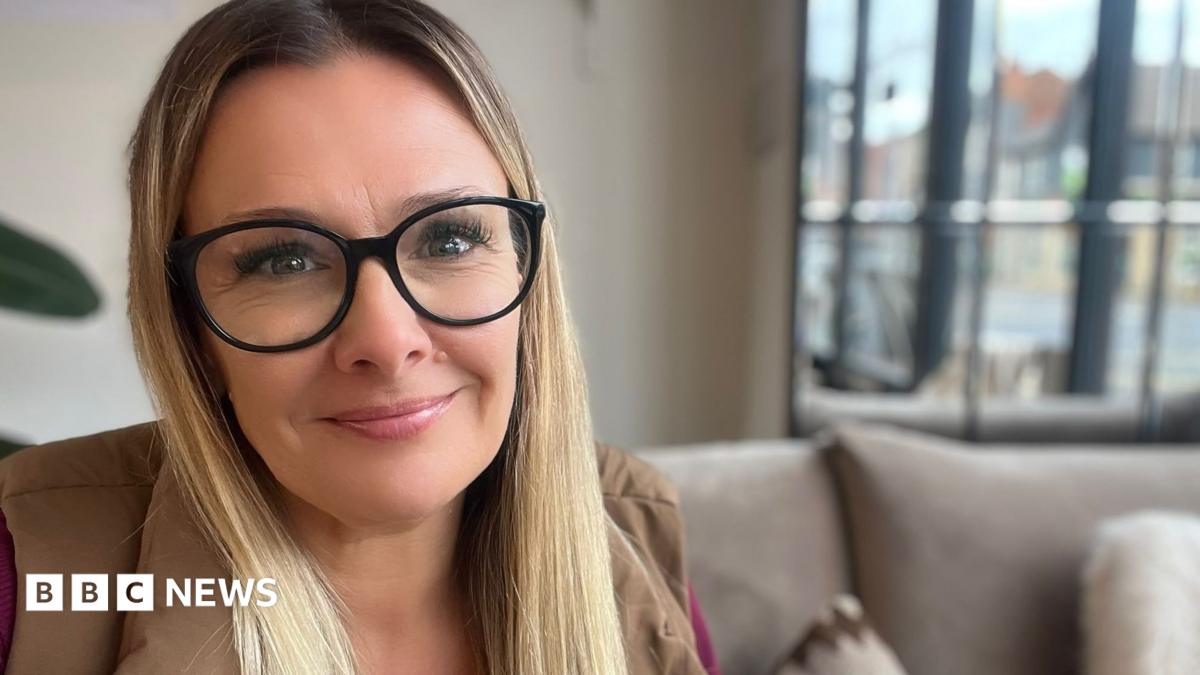
For Anna Allington, a woman in her 50s, the need for a life PA is essential. After her husband died and she was diagnosed with leukaemia, she struggled with executive functioning. She pays £1,200 a month for 40 hours from Vi-Va, a Cheshire-based company.
Her assistant helps with emails, diary management, and travel plans. They meet twice a week via Zoom to review her schedule. The service has become a lifeline for her daily routines.
Gender and Access to Support
Queen of To Do reports only 20% of its clients are male. Life Laundry has just one male client among its 25. Experts believe this reflects traditional gender roles. Studies show mothers still manage most household tasks.
Forbes notes men face similar pressures. But they are less likely to ask for help. She says, ‘Men are struggling as well, but I think they’re less likely to ask for help.’ This suggests a cultural barrier to seeking support.
Limitations and Open Questions
These services remain niche and expensive. Many people, especially those with low incomes, may not afford them.
There is no standard training or certification for life PAs. No official data exists on how widespread or sustainable these services are. Demand is rising, but long-term viability is unproven.
Still, for many working parents and individuals managing complex lives, life PAs offer a real way to reduce mental strain. As daily demands grow, their role may shift from a luxury to a practical response to modern pressures.
Sources & further reading
Featured image: Maxine Dillion smiles at the camera. Via original publisher. Image source