Several classic American Thanksgiving dishes are banned or restricted in the UK and European Union. These differences come from distinct food safety rules, public health concerns, and historical approaches to additives.
Stuffing Mix: Preservatives Under Scrutiny
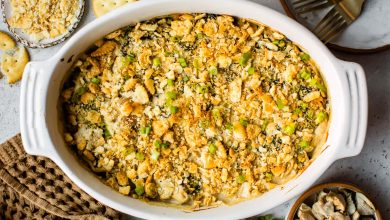
Boxed stuffing mixes in the US often use BHA and BHT to keep them fresh and firm. These preservatives are linked to possible health risks, especially long-term exposure. The UK and EU ban or strictly limit BHA and BHT. As a result, European stuffing mixes taste and look different. Many consumers now make stuffing at home or choose alternatives without synthetic additives.
Growth Hormones in Beef: A Key Difference
US farmers sometimes use recombinant bovine growth hormone (rBGH) to help cattle grow faster. This practice is allowed in the US but banned in the UK and restricted in the EU. The UK Food Standards Agency says such hormones raise animal welfare and health concerns. Beef labeled ‘US-raised’ can’t be sold in the UK or EU. Europeans usually buy beef from farms that don’t use hormone treatments.
Whipped Cream and Dairy: A Regional Divide
Whipped cream is common in American Thanksgiving desserts. US dairy may include growth hormones from cattle. The UK and EU ban these hormones due to concerns about residues in milk and cream. European dairy is seen as more natural. It may not have the same light, fluffy texture as American whipped cream.
Bread Rolls and Flour Improvers
US bread rolls often use potassium bromate to make dough rise better. The International Agency for Research on Cancer lists it as a possible carcinogen. It’s banned in the UK, EU, and Canada. In the US, some areas still allow it. California will ban it by 2027. The state says this helps reduce exposure to harmful additives.
Instant Mash and Preservatives
Instant potato mash is a common side dish in the US. Many versions contain BHA to stop spoilage. BHA is banned in the UK and restricted in EU countries. UK and EU shoppers often make mashed potatoes from scratch or buy versions with safer preservatives. A UK food retailer says demand is rising for natural, preservative-free options.
Maraschino Cherries: Synthetic Dyes in Question
Maraschino cherries are a festive touch in American desserts. US cherries often use synthetic dyes like erythrosine. These dyes are banned or restricted in the UK. They’ve been linked to allergies and hyperactivity in children. UK producers offer real fruit cherries, used in winter drinks and desserts. This shift shows a trend toward safer, natural ingredients.
Mac and Cheese: Artificial Dyes in US Mixes
Instant mac and cheese is a staple in American homes. Its bright yellow color comes from dyes like Yellow 5 and Yellow 6. These dyes are strictly regulated or require warning labels in the EU. They’re banned in countries like Finland and Austria. European versions use natural dyes like paprika and turmeric. These give a golden color without artificial additives.
Sweet Potato Casserole: Titanium Dioxide Concerns
Sweet potato casserole is a classic American side. Its white marshmallows often contain titanium dioxide. The EU bans this additive due to concerns about DNA damage. The UK still allows it, with strict limits. A UK regulator says current use is safe based on testing. But research continues on long-term effects.
Pastries and Pop-Tarts: Dye Restrictions
Pop-Tarts and other pastries often use Yellow 5, Yellow 6, and Red 40. These dyes are restricted in the UK and several European countries. They’ve been linked to allergies and hyperactivity. UK versions now use natural dyes or skip artificial coloring. A food manufacturer says taste and appeal are maintained while meeting health rules.
These differences show how food production and regulation vary between North America and Europe. American Thanksgiving traditions rely on specific ingredients. European consumers face different rules based on health standards. These aren’t just about taste. They reflect broader debates about safety, health, and food regulation.
For more on food regulations and cultural differences, see the original source: 9 classic American Thanksgiving staples that are completely banned in Europe and the UK.
Sources & further reading
Featured image: A large turkey placed on a plate, photographed in 2025.. Via original publisher. Image source