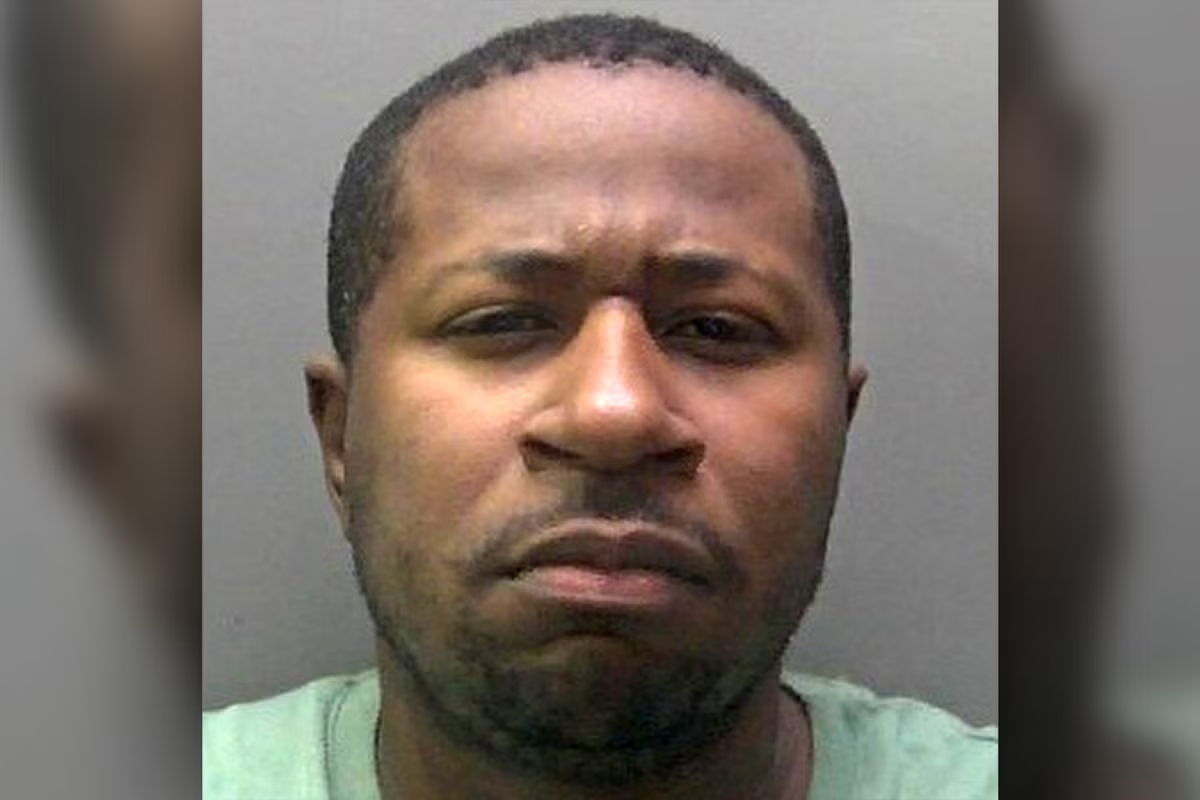
A jury at Cambridge Crown Court has found Anthony Williams guilty of attempted murder in a series of stabbing attacks across England, including a significant incident on a London-bound train that made an unscheduled stop in Huntingdon. Source: independent.co.uk.
What Happened on the Train in Huntingdon
On 1 November last year, a high-speed LNER train made an unscheduled stop in Huntingdon. This unexpected halt left passengers and staff vulnerable.
Anthony Williams, 33, attacked passengers and staff during a five-minute incident. He stabbed nine passengers and one staff member, Samir Zitouni, 48.
Passengers tried to defend themselves. Zitouni used a frying pan. One passenger grabbed a toaster. Others blocked Williams with luggage and trolleys.
Some people took shelter in toilets or under seats to avoid the threat.
Medical Response to Injuries
Samir Zitouni suffered multiple stab wounds to the back. The injuries caused catastrophic blood loss. He needed four blood transfusions and was taken to intensive care.
Sachin Balakrishnan, 29, was injured when the knife tip was inches from his heart. This shows a deliberate effort to cause serious harm.
During the attack, Williams asked Stephen Crean: ‘Do you want to die?’ This exchange shows intense psychological pressure.
All victims survived, but their injuries were severe and required extensive care.
Earlier Attacks in Peterborough and London
On 31 October, Williams attacked in Peterborough. He stabbed a 14-year-old boy. His identity is protected for legal reasons.
He attempted to stab Dawid Taborski, 26, and William Ogelby, 22. These attacks happened at a footbridge and in the Railworld car park.
On 1 November, he stabbed 17-year-old Isaiah Idris on a DLR train near Pontoon Dock. Idris is now 18. Afterward, he returned to Peterborough and stayed at home.
On the evening of 1 November, he walked to Peterborough station and boarded a London-bound LNER train. He stabbed nine passengers and staff before the train left.
Defence and Prosecution Arguments
Williams admitted to the attacks but denied intent to kill. His defence said he suffered an acute psychotic episode from schizophrenia. He believed the devil was conspiring against him.
The defence argued that delusional beliefs don’t remove intent to kill. The law allows a mentally ill person to form such intent, even under a delusion.
Prosecutor Christopher Paxton KC said Williams posed a serious threat. He attacked people in public, when they were defenceless and in fear.
Paxton said passengers fled in ‘sheer terror’ during the attack. This shows how sudden and dangerous the threat was.
Legal Findings and Verdicts
The jury found Williams guilty of seven counts of attempted murder on the LNER train. Victims included staff member Samir Zitouni and six passengers: Jonathan Gjoshe, 22; Sachin Balakrishnan, 29; David Presland, 73; Scott Bletcher, 50; Scott Green, 52; and Stephen Crean, 61.
They also found him guilty of seven further counts, including Kevin Deely, 58; Raza Aslam, 44; and Michael Paffett, 34.
Williams was found guilty of attempted murder of three people in Peterborough: the 14-year-old boy and two men. He was also found guilty of attempted murder of Isaiah Idris in London.
At a pre-trial hearing, Williams pleaded guilty to wounding 12 people with intent to cause really serious harm. He admitted to attempted wounding of Taborski and Ogelby.
He also admitted to three counts of possessing a knife in a public place. He brandished a knife at a Ritzy barber shop in Peterborough and stole knives from an Asda store in Stevenage.
Williams pleaded guilty to common assault of Jordan Morley, whom he spat at on a train near Biggleswade. He also punched police officer James Farrell in the nose while in custody on 2 November.
Where the Trial Took Place and Who Appeared
The trial was held at Cambridge Crown Court, a venue for serious criminal cases involving public safety and mental health.
Williams did not appear in the dock. He appeared via video-link from Rampton Hospital, a high-security psychiatric facility in Nottinghamshire.
The judge stressed that a mentally ill person can still form intent to kill, even under delusions. This principle was central to the defence.
Despite the delusional belief, the jury found him guilty of attempted murder. This shows the actions were intentional and posed a serious threat to life.
What This Case Reveals About Public Safety
The Huntingdon train attack shows how vulnerable public transport can be during unscheduled stops. Passengers are often caught off guard with little time to react.
Violence can escalate quickly in confined spaces with few escape options. Staff and passengers tried to defend themselves, showing both risk and resilience.
It highlights the need for better staff training and safety measures during such incidents. While no official changes have been announced, the case may prompt a review of emergency response procedures.
Although Williams was not convicted of murder, the attempted killings show a serious threat to public safety. His actions across multiple trains and public areas show a pattern of violent behaviour.
Sources & further reading
Featured image: original publisher image. Via original publisher. Image source