From Helsinki to Istanbul, independent developers are creating Grand Theft Auto-style games set in their own cities — without billion-dollar budgets. Source: theguardian.com.
What Happened
Independent game developers across Europe have launched open-world action games inspired by Grand Theft Auto, using real-world locations as settings. These games, often built on modest tools and personal passion, replicate the chaotic, free-roam gameplay of GTA III — the 2001 title that first brought 3D open-world action to life.
Unlike the massive productions of Rockstar Games, these indie efforts are driven by personal vision and cultural pride. They do not aim to replicate the cinematic scale or narrative depth of flagship titles like Grand Theft Auto V. Instead, they focus on authenticity — capturing the rhythms, sounds, and social realities of everyday life in specific urban environments.
Developers in Finland, Turkey, and the UK have created their own versions of the genre, each rooted in local culture and history. These games are not official clones, nor are they licensed or endorsed by Rockstar. Rather, they represent independent reinterpretations of a genre that once sparked global fascination with urban chaos and freedom.
Key Examples
The Estate — Manchester, UK
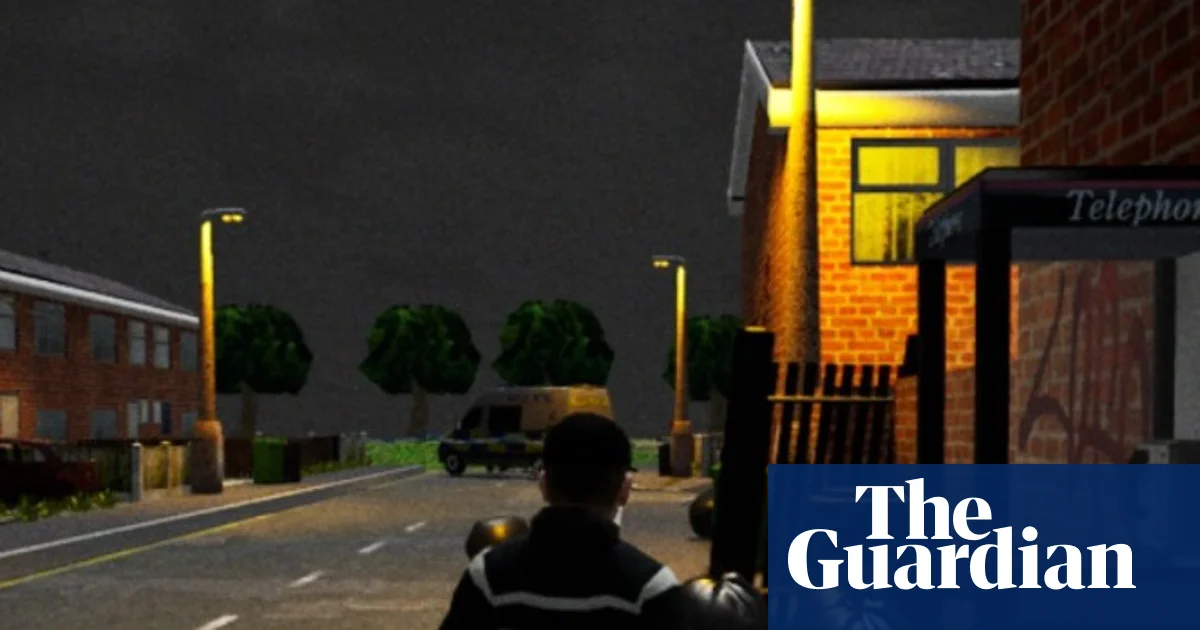
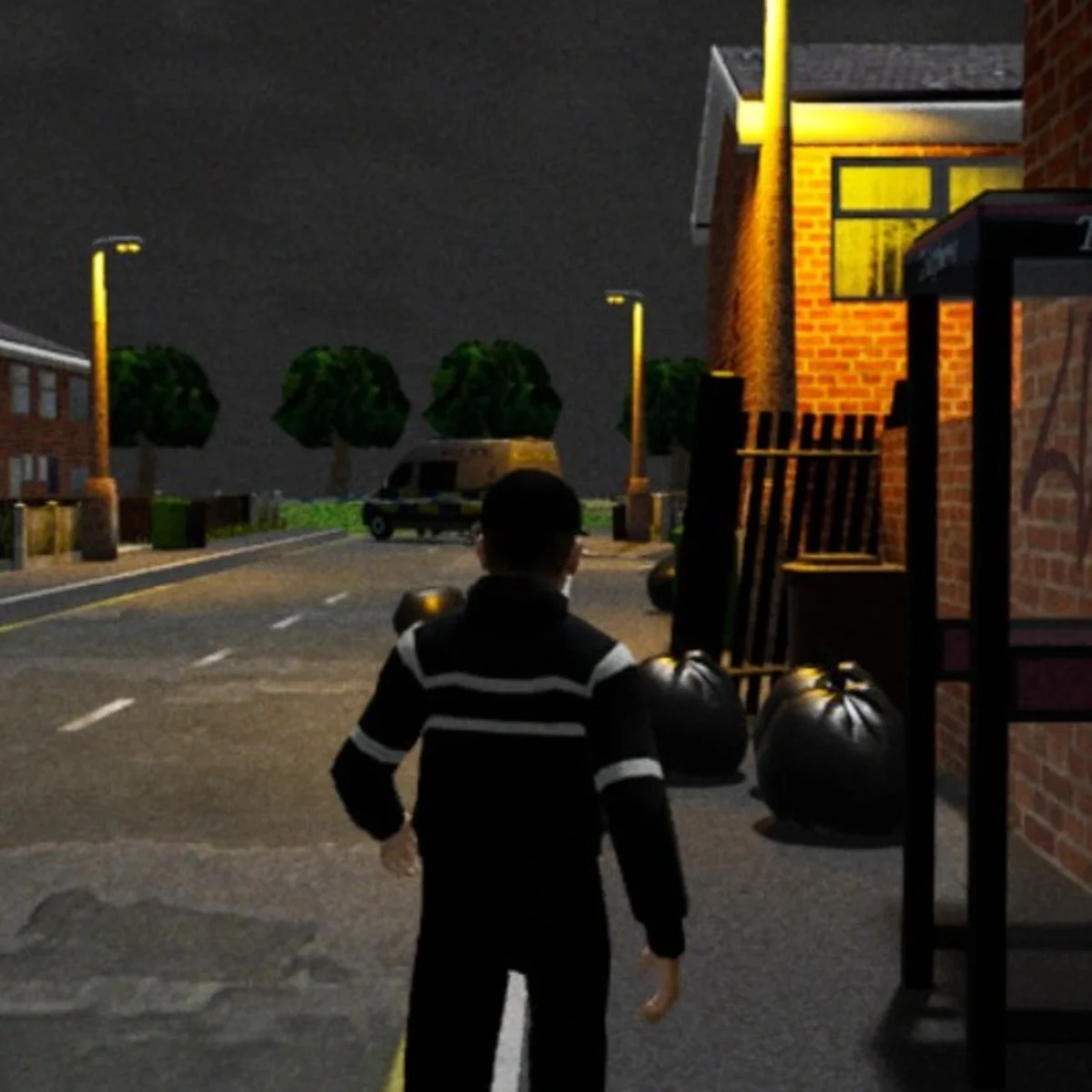
30-year-old Eamonn Swayah created The Estate, a game set in a Manchester council estate. It features local accents, left-hand driving, and real-life street chaos. The game’s low-poly models echo the technical limitations of early 3D gaming, a style that Swayah intentionally embraces to reflect the raw, unpolished nature of early 2000s gaming.
Like GTA III, the game uses minimalistic visuals and a gritty art style. Swayah, a self-taught developer with no formal training, says he learned game development through trial and error. This hands-on approach has allowed him to maintain a sense of authenticity and personal connection to the setting.
Features such as egging houses, knocking on doors, and even Mancunian radio chatshows — recorded with friends — are drawn from real community interactions. These elements serve as satirical commentary on local life, poking fun at social norms and everyday frustrations. New mechanics are only added when Swayah can learn how to implement them, ensuring that the game remains grounded in his personal experience.
Alaturka — Istanbul, Turkey
Burak Akşahin, a 32-year-old Turkish developer, created Alaturka, set in 1970s Istanbul. The game features retro graphics, doner kebab minigames, and an Anatolian soundtrack that blends traditional Turkish music with vintage synth tones.
After nearly two years of development, the game went viral when its trailer launched in September. Akşahin, who teaches others how to make games online, created the project during live streams to encourage aspiring developers, especially those from underrepresented regions.
He recalls watching GTA III as a child and thinking, ‘This is the most graphically advanced game we can see. This is the top notch game.’ Now, with modern tools, he believes that technology has advanced far beyond that era — yet the core appeal of chaotic, player-driven action remains unchanged.
The game draws on the 1980s aesthetic of GTA: Vice City — with moustaches, lumbering cars, and gaudy shirts. Players begin as apprentices in a doner kebab shop, then take increasingly risky shortcuts to earn money for marriage — a narrative rooted in real-life aspirations of many young people in rural and urban Turkey.
By highlighting everyday struggles and aspirations, Akşahin hopes the game will help spread Turkish culture to Western audiences, offering a window into a world that is often misrepresented or oversimplified in global media.
Helsinki Online — Finland
Pietari Niinimäki launched Helsinki Online in October. It’s a browser-based game built from real-world geography data and coded using AI. The game allows players to explore the Finnish capital, buy properties, and drive vehicles — including a flying bathtub, a humorous nod to Finnish design and a love of whimsy.
Niinimäki, who isn’t a gamer himself, initially conceived the game as a bird-themed MMO. Over time, it evolved to include open-world exploration, social interaction, and mission-based gameplay. The inclusion of a mini-map and real-world landmarks helps players navigate the city as if they were living there.
He notes that the game has been immediately recognized as a ‘Helsinki GTA’ — a label that resonates with players because it taps into a shared cultural memory of GTA’s open-world freedom. However, Niinimäki is conscious of the game’s tone. He intentionally avoids crime, violence, and drugs, aiming to foster a sense of community and calm rather than chaos.
Last Drop — Finland
Henri Koskinen’s studio Lohkare Games Oy released Last Drop in August. It’s a grim, 1990s-style game set in a fictional Finnish city. The game draws inspiration from Finnish film director Aki Kaurismäki, known for his stark, realistic portrayals of working-class life and social decay.
Unlike the more stylized crime narratives of GTA, Last Drop is not a celebration of criminality. Instead, it portrays the real-world consequences of alcoholism and social isolation — a theme deeply rooted in Finnish society. Koskinen shares that several of his neighbors died from alcohol-related causes, and these stories are woven into the game’s narrative.
The game’s tone is somber and reflective. It does not glorify crime or rebellion, but instead uses gameplay to explore personal and societal struggles. This approach reflects a broader shift in indie game design — moving from spectacle to emotional resonance.
How It Works
Rockstar’s GTA III introduced a simple but powerful formula: a 3D open world with free movement, minimal rules, and player-driven chaos. This model has been adapted by independent developers to local settings, using real maps, local sounds, and cultural references to ground the experience.
Many avoid cinematic cutscenes — which require advanced technical skills — and instead focus on chaotic gameplay. This includes sudden police chases, vehicle crashes, and player-driven interactions. As Burak Akşahin puts it: That chaotic gameplay is much more immediately appealing for players. When you see two police cars flying over you as they start to shoot, you feel like, I want to play this game.
The success of these games lies not in technical sophistication, but in emotional authenticity. They reflect local realities — from working-class life in Manchester to rural Finnish struggles — in a way that mainstream games often overlook.
Why It Matters
These games show how indie developers can create meaningful, culturally rich experiences without access to major studios or budgets. They serve as a bridge between global game design and local identity, offering players a sense of belonging to a place they may not have visited.
By using familiar gameplay mechanics, they make complex social realities accessible and engaging. In doing so, they challenge the idea that only large studios can produce impactful games.
Limitations and Open Questions
These games lack the polish, narrative depth, and technical sophistication of Rockstar’s titles. They are often built by solo developers with limited resources and time. Some face challenges in monetization and long-term support.
There is no official recognition or endorsement from Rockstar Games. The games are not official clones — they are independent interpretations. While inspired by GTA, none have achieved commercial success or widespread recognition. Their impact is currently cultural and community-based.
What to Watch Next
As Grand Theft Auto VI approaches, developers may look to these indie projects for inspiration — not just in design, but in cultural storytelling. The success of these games suggests that local, grassroots game creation could become a more prominent force in the global gaming landscape.
More games like these could emerge, especially as accessible tools and AI make game creation easier for non-specialists. They may also help diversify the global game landscape — offering authentic, local perspectives to a global audience.
For now, the most significant impact is in how these games give voice to everyday life — not just in fiction, but in real communities.
Sources & further reading
Featured image: original publisher image. Via original publisher. Image source