
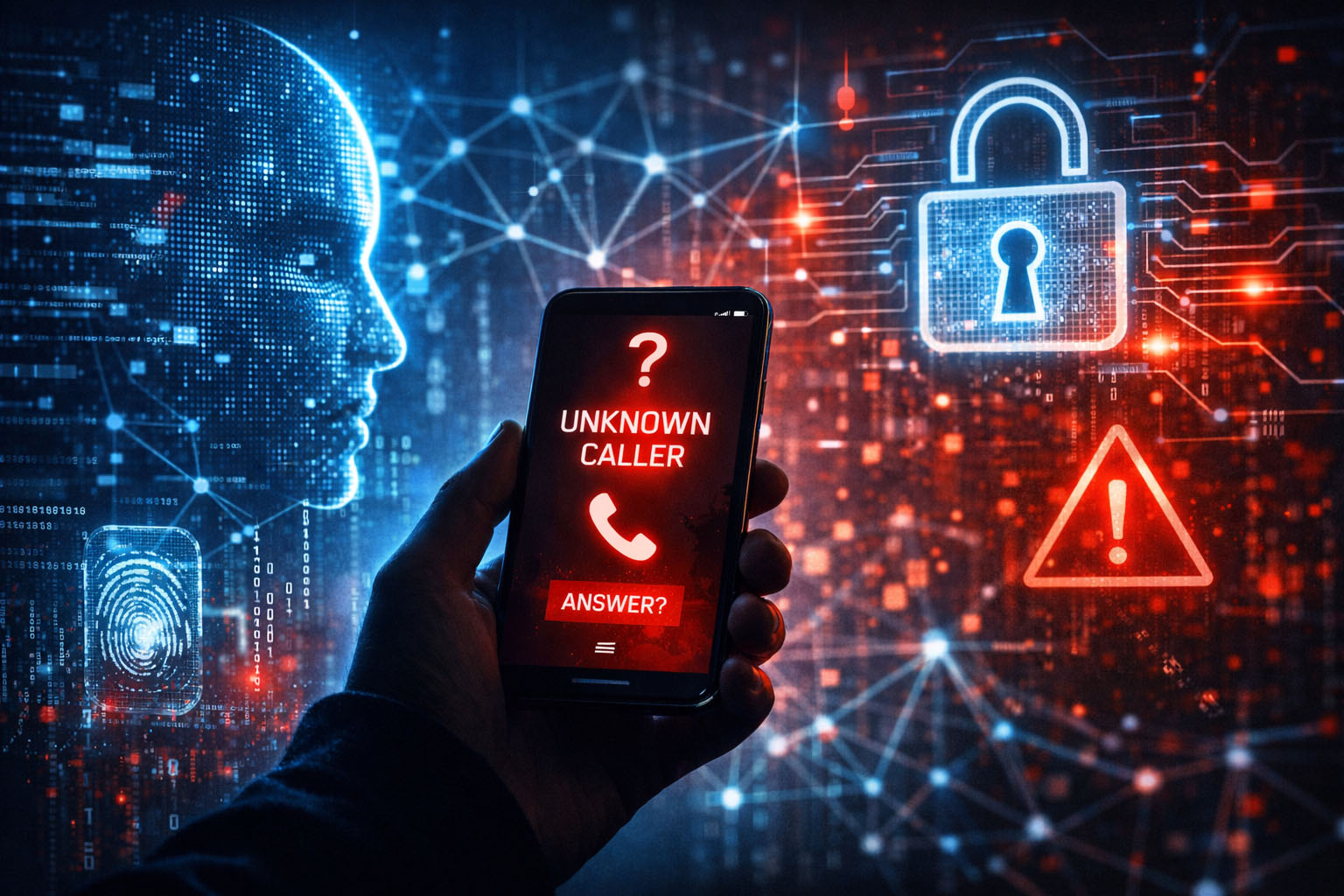
Cybersecurity in the Age of Artificial Intelligence
We are living in a time where artificial intelligence (AI) is transforming industries, improving productivity, and making everyday life more convenient. However, the same technology that helps businesses grow is also empowering cybercriminals at an unprecedented level.
In the AI generation, cybersecurity is no longer just a concern for large corporations or governments. Every individual with a smartphone, computer, email address, or social media account is a potential target. Attacks are becoming more intelligent, automated, and personalized — and that makes them far more dangerous than traditional cyber threats.
“In the age of artificial intelligence, your data is more valuable than money — protect it before someone else controls it.”
Why Cybersecurity Is More Dangerous Than Ever in the AI Era
1. AI Makes Cyber Attacks Smarter and Faster
Cybercriminals now use AI to:
- Automatically scan millions of devices for vulnerabilities
- Generate convincing phishing emails in perfect language
- Mimic human behavior to bypass security systems
- Analyze leaked data to build detailed victim profiles
What once took days or weeks can now be done in seconds.
2. Deepfake Voice and AI Phone Call Scams
One of the fastest-growing threats is the AI-generated voice scam. Criminals can clone a person’s voice using only a few seconds of audio taken from:
- Social media videos
- Voicemails
- Public interviews
They then call victims pretending to be:
- A family member in distress
- A bank representative
- A government authority
- An employer or colleague
These calls sound real, emotional, and urgent — designed to override logic and force immediate action.
3. Why You Should Never Respond to Unknown Phone Calls
Answering calls from unknown numbers is no longer harmless. Even a short response can be risky.
Hidden Dangers of Unknown Calls:
- Voice recording: Your voice can be recorded and reused for AI fraud
- Social engineering: Attackers extract personal information subtly
- Call-back scams: Returning a missed call can trigger premium charges
- Verification traps: Saying “yes” may be used to authorize fake agreements
In many cases, not answering is the safest option.
4. AI-Powered Phishing and Messaging Attacks
AI allows scammers to create messages that:
- Match your writing style
- Reference real personal details
- Appear to come from trusted contacts
- Avoid spelling and grammar mistakes
These attacks are extremely difficult to detect, even for experienced users.
How Cybercriminals Exploit Personal Devices
Smartphones
- Malicious apps
- Fake SMS delivery notifications
- Banking trojans
- Spyware using microphone and camera access
Computers and Laptops
- Email attachments with hidden malware
- Fake software updates
- Remote access tools
- Ransomware encryption
Smart Home Devices
- Weak passwords
- Unsecured Wi-Fi networks
- Outdated firmware
Every connected device is a potential entry point.
How to Protect Yourself and Your Devices
1. Never Answer Unknown Calls
- Let unknown numbers go to voicemail
- Block repeated suspicious callers
- Do not press buttons or respond verbally
2. Strengthen Your Digital Hygiene
- Use strong, unique passwords for every account
- Enable two-factor authentication (2FA)
- Avoid public Wi-Fi for sensitive actions
3. Keep All Devices Updated
Security updates patch vulnerabilities that attackers actively exploit.
Always update:
- Operating systems
- Browsers
- Apps
- Routers and smart devices
4. Be Extremely Skeptical of Urgency
Scammers rely on fear and pressure:
- “Act now”
- “Your account is compromised”
- “You will be arrested”
Legitimate institutions do not operate this way.
5. Limit What You Share Online
AI learns from publicly available data. Reduce your exposure by:
- Limiting personal details on social media
- Avoiding voice recordings in public posts
- Keeping profiles private where possible
6. Use Reliable Security Tools
- Antivirus and anti-malware software
- Spam and call filtering apps
- Password managers
- Encrypted communication apps
The Human Factor: The Weakest Link in Cybersecurity
No matter how advanced technology becomes, humans remain the primary target. AI does not break systems — it manipulates people. Awareness, caution, and digital discipline are the most powerful defenses.
Final Thoughts
In the AI generation, cybersecurity is not optional — it is essential. The threats are invisible, intelligent, and constantly evolving. Ignoring unknown phone calls, protecting personal data, and staying informed are no longer recommendations; they are necessities.
The safest digital action is often the simplest one: pause, verify, and never react in panic.
