In early 2020, Jack Larkin left a job in human resources. The constant onboarding and offboarding of employees made him realise no one stays in the same role forever.
Why He Took the Job
Living in Canberra, Larkin had grown a scruffy beard and turned his mother’s bedroom into a man cave. He needed money and wanted to leave the house.
His brother had launched a landscaping business that won a tender to mulch city parks. Larkin offered his CV—listing tasks like mowing his mother’s lawn and trimming hedges.
The Work: Winter Mulching in Parks
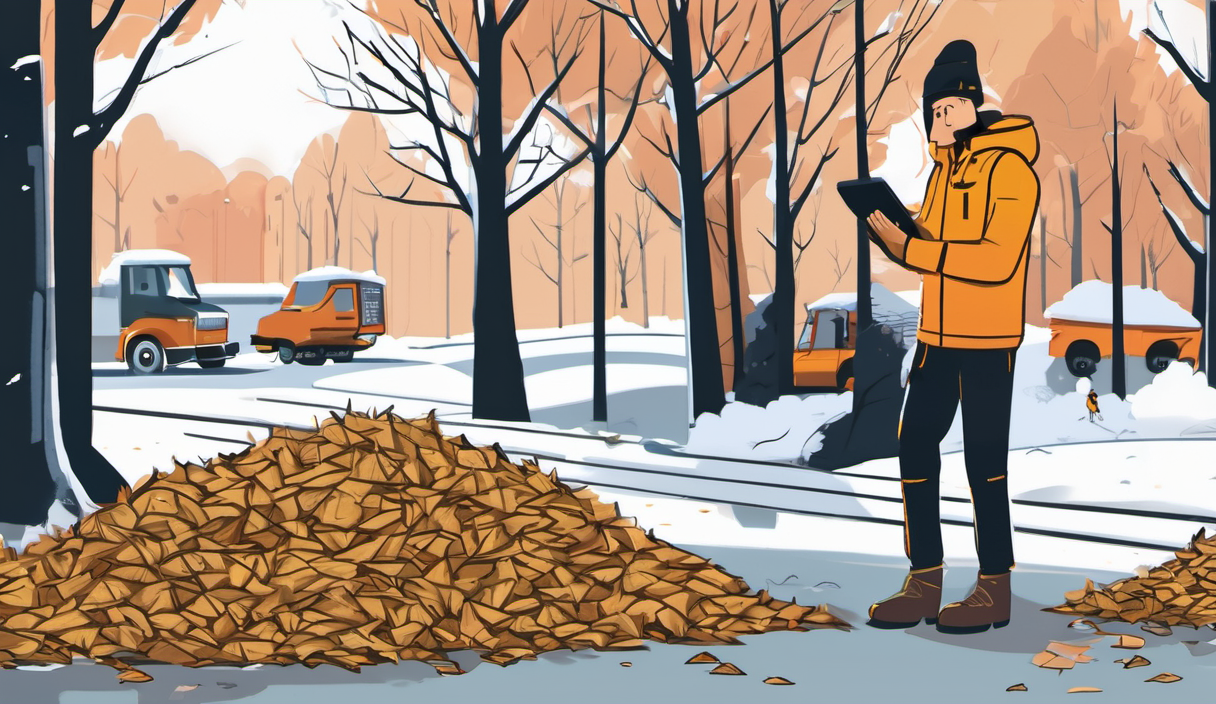
Each morning at 5 a.m., Larkin and a team piled into a filthy Toyota HiLux. They drove to designated parks with a skid steer loader—essentially a forklift with a bucket.
Each truckload of mulch covered five trees. The job took about an hour. Often, the team would wait idly for the next load, with onlookers wondering why five men in hi-vis lay on the ground with rakes.
Physical and Mental Strain
Larkin struggled with manual labour. He had lower back spasms and often strained his shoulders.
He was not good at mulching. His brother said he distracted others with too much talking. Larkin noticed he lacked focus and stamina.
Team Dynamics and Tensions
The team included an ex-sports physio, a former Canberra Raiders rugby player, and a former plasterer. Each had different strengths and work styles.
Larkin’s performance caused tension. He and his brother argued regularly about his commitment to the job.
What Changed Him
After months of work, Larkin realised he wasn’t made for manual labour. He learned that a job must challenge the mind—not just the body.
His brother told him: ‘Go to university, dickhead; you’re far too smart to rake mulch for a living.’
Larkin was surprised. His parents had previously urged him to study—but he had dismissed it as a ‘parent’ thing.
What He Did Next
After leaving landscaping, Larkin worked briefly in communications. He moved to Melbourne to study journalism, where he found his true calling.
He now writes about work, purpose, and personal growth—inspired by the experience of mulching parks in winter.
Key Facts
- The job took place in Canberra during winter 2020.
- Larkin was hired through his brother’s landscaping business.
- Each truckload of mulch covered five trees and lasted about one hour.
- The work led to a weed outbreak, prompting de-mulching in many parks.
- The business stopped trading a year later.
Why This Matters
Larkin’s story shows how temporary jobs can reveal personal limits and values.
It highlights the importance of choosing work that aligns with one’s physical and mental capabilities.
It also underscores how family-driven work can create tension—and why boundaries matter.
Limitations and Open Questions
There is no evidence the mulching caused the weed outbreak. The link is unverified.
It is unclear whether the business’s closure was due to the mulching work or other factors.
The story does not explain why parks needed mulch in winter—only that they did.
For more on personal growth through work, see The Guardian’s original article.
Work and career choices shape identity. This experience taught Larkin that passion and mental challenge matter more than physical effort.
For insights on how work influences personal development, explore this feature on lifestyle and work.
Understanding what kind of work suits you can lead to long-term satisfaction—especially when it matches your strengths.
Sources & further reading
AI-generated illustration.