A plague scare in Russia generated widespread media attention. Russian officials said a 28-year-old woman working at a plague research facility in Siberia died from pneumonia of unknown origin, denying it was plague-related. The case did not confirm a lab accident or a bioweapon, but it raised public concern about biosafety in high-risk research.
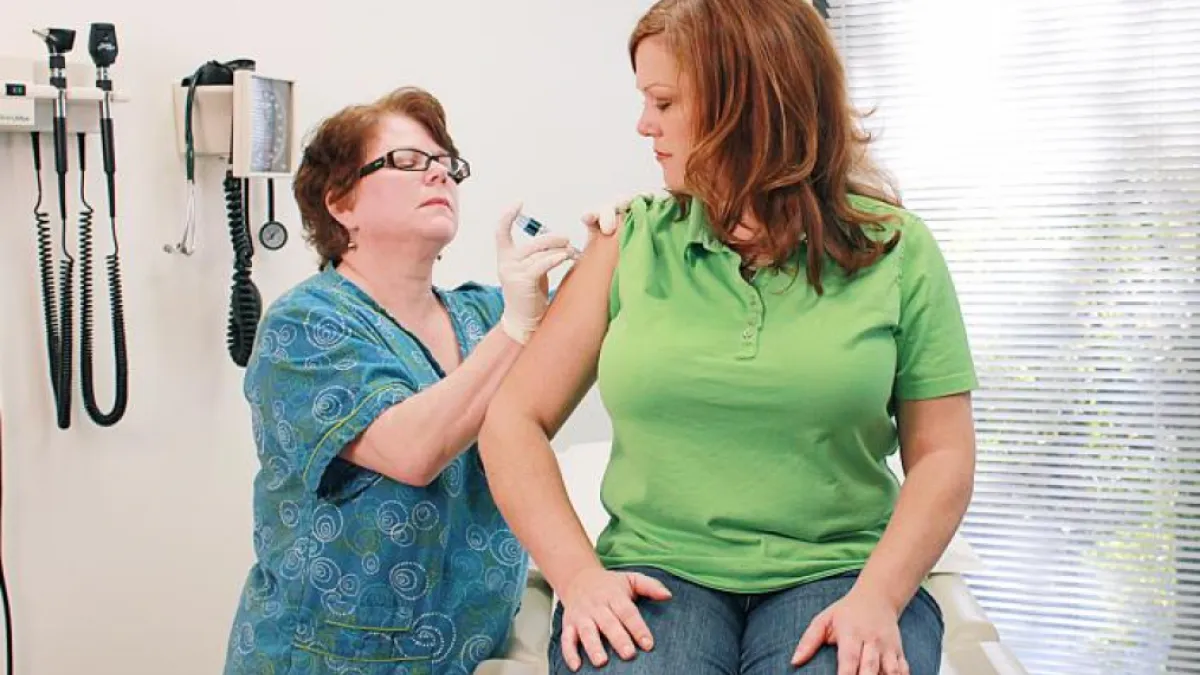
The story spread quickly across social media and mainstream news, fueling anxiety about ancient diseases returning. In response, Jay K. Varma M.D. made an appointment at his local pharmacy to get the annual flu and COVID vaccines.
What Happened: A Plague Scare in Russia
A woman working at a plague research facility in Siberia died. Russian officials said her death was due to ‘pneumonia of unknown origin.’ They denied it was plague-related.
This case did not confirm a lab accident or a bioweapon. Still, it raised public concern about biosafety in high-risk research.
The story spread quickly across social media and mainstream news. It fueled anxiety about ancient diseases returning.
Why We Fear Rare Events
Humans react most strongly to rare, dramatic events. These often get sensationalized in media.
Plane crashes are extremely rare. The lifetime risk of dying in a U.S. plane crash is negligible. Yet, such events generate intense public fear and media attention.
Car accidents are far more common. Most Americans drive daily. The lifetime risk of dying in a car crash is about 1 in 101. Yet, car crashes rarely make headlines unless someone we know is involved.
This bias—focusing on rare, high-impact events—shapes how we see risk in public health.
Flu and COVID: The Common Threats We Ignore
Flu and COVID are far more common than rare lab incidents. CDC estimates flu causes at least 32 million illnesses annually. It leads to 390,000 hospitalizations and 24,000 deaths.
COVID caused 290,000 to 450,000 hospitalizations and 34,000 to 53,000 deaths from mid-2024 to mid-2025. These infections affect millions each year.
Most people get mild symptoms—fever, body aches, fatigue. But many miss work, school, or social events. Vulnerable groups face serious risks, including hospitalization and long-term health issues.
How Vaccines Work
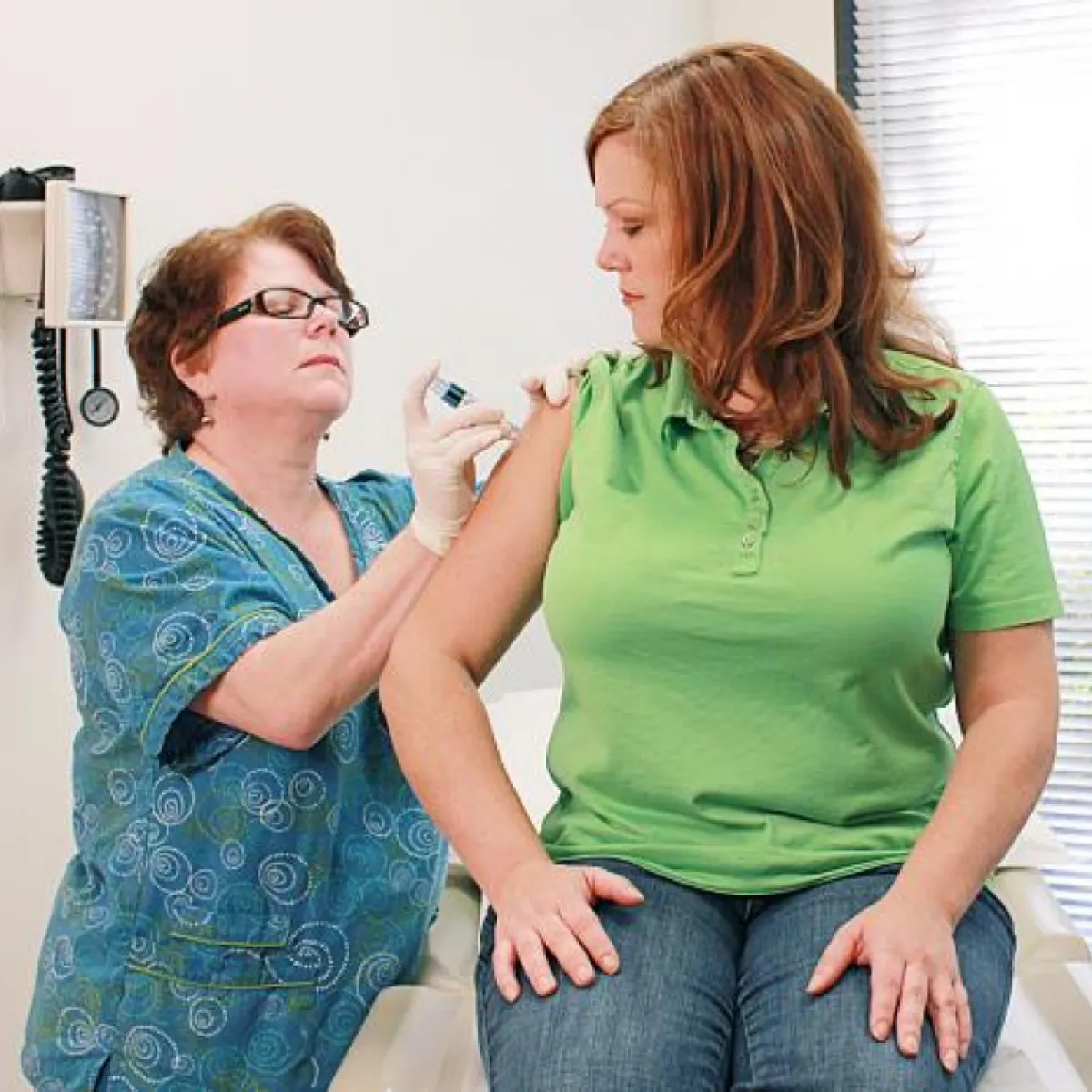
The flu vaccine has been given to hundreds of millions. Its safety record is strong. Side effects are mild—like sore arm, low fever, or fatigue.
It is not possible for the flu vaccine to cause the flu. People who get sick after vaccination usually have the virus circulating at the same time.
Effectiveness varies yearly. That’s a meaningful benefit for individuals and communities.
COVID Vaccines: Safety and Efficacy
COVID vaccines have been studied widely. Side effects are mild—like fatigue, headache, or soreness—and fade quickly.
A CDC study of the 2024–25 season found the vaccines reduced emergency visits and hospitalizations in older adults.
These benefits go beyond avoiding illness. They lower risks of heart attacks, strokes, and organ damage. The protection is especially vital for people with preexisting conditions.
Why This Matters
Flu and COVID are common, preventable causes of serious illness. Vaccines are safe, effective, and widely available.
They reduce disease spread and protect against severe outcomes. For many, getting vaccinated is a simple, evidence-based step.
While rare events like lab accidents generate fear, flu and COVID cause far more illness and hospitalizations each year. Vaccines help protect both individuals and communities.
For more on public health and personal decisions, see the original article at Psychology Today.
Sources & further reading
Featured image: original publisher image. Via original publisher. Image source