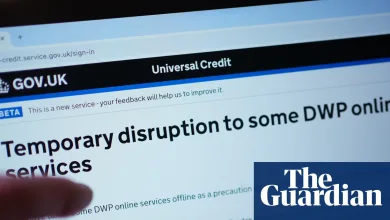
A breach of the U.S. Air Force’s Cloud One platform has been reported. Updates are blocked. Migration efforts are paused. The full scope, attackers, and data stolen remain unknown. Source: securityaffairs.com.
What Happened
Reuters reports hackers accessed the Air Force’s Cloud One platform about a month ago. The intrusion was found during a routine upgrade meant to modernize and secure the system.
At that time, updates to applications on Cloud One were blocked. Personnel couldn’t install critical security patches. This left the system exposed as new software flaws were being disclosed across the industry.
One source said the breach used a software flaw. It gave attackers access to the platform’s control plane. This is like a universal remote that manages all system functions. Once inside, attackers could monitor or alter nearly every operation.
Users were unable to apply fixes just as new vulnerabilities were made public. This timing raises serious concerns about the platform’s ability to respond to threats.
Key Facts
- Cloud One is one of the Air Force’s main cloud platforms.
- It combines services from Microsoft, Amazon, Oracle, and Alphabet. It runs key apps for personnel, pay, logistics, and maintenance.
- Two critical systems are affected: Cloud-Based Command and Control. It ties together radar data from across North America. The Theater Integrated Combat Munitions System tracks bombs and missiles at over 200 U.S. Air Force sites.
- Migrating back-office apps to Cloud One has been paused. This delays efforts to move legacy systems to a more secure environment.
- Some users had their administrator rights revoked. This likely stops further unauthorized access.
- Neither the Air Force nor U.S. Cyber Command has confirmed the breach publicly. Both have acknowledged it internally.
Background: How Cloud One Works
Cloud One was built to unify IT operations across the Air Force’s four major cloud providers. It combines Microsoft Azure, Amazon Web Services, Oracle Cloud, and Google Cloud.
The platform handles key functions: personnel records, payrolls, logistics, and maintenance. It supports operations from U.S. bases to overseas installations.
SAIC managed Cloud One until 2025. Leidos took over in 2025. Neither company has responded to Reuters about the breach.
Investigators have asked U.S. Cyber Command to assess the breach. No official response has been released. Internal reviews are ongoing.
Why It Matters
A breach could expose sensitive data. This includes military operations, personnel details, and logistics plans. The platform supports critical functions. Any compromise raises immediate security concerns.
Now, cyber threats are using AI to scan large networks quickly. AI tools can spot patterns and weaknesses in seconds. This makes cloud systems—especially those with central control—prime targets.
The U.S. government is dealing with at least six other recent cyber incidents. These include breaches at the FBI, Pentagon, Department of Homeland Security, two spy agencies, and the Treasury Department. These cases suggest a wider trend of government data exposure.
Limitations and Open Questions
Key details are still missing. There’s no public list of data accessed or stolen. Attackers are unidentified. The breach’s scope is unknown—how much of the platform was affected? Was it limited to apps or the whole system?
The Air Force says it takes ‘prudent measures’ to protect data and systems. That statement doesn’t address this incident or explain the breach’s scale.
It’s unclear if the breach was pre-existing or introduced by the update. Blocking updates may have let attackers stay hidden or grow their access over time.
What to Watch Next
Officials may soon release a formal report. It could include the breach’s extent, containment steps, and recovery plans. Monitoring updates on data access and system restoration is key.
Experts will likely examine cloud design flaws. These include over-reliance on central control planes and weak separation between operational and admin functions.
The Air Force may share updates on Cloud One’s status. In the meantime, the incident highlights risks in large military cloud systems. Stronger, layered security is urgently needed.
For more on similar incidents, see 1Password breach via GitHub, or Flight Centre data breach.
For insights into other cloud-related threats, explore Microsoft Agent Framework breach.
Sources & further reading
Featured image: Air Force Cloud One. Via original publisher. Image source