Featured image: The main foreground subject is a green tractor with a cabin and large wheels. AI-generated image; not a photograph of the reported event.
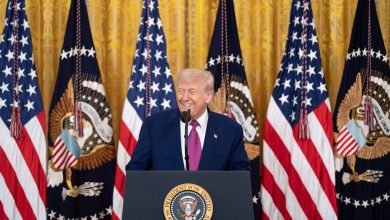
Many ranchers in Trump-supporting states face rising costs. The crucial midterm elections are just weeks away. Source: bbc.co.uk.
Wildfire and Repair Costs
Nebraska rancher Yvette Mannon lost 1,600 acres and 13 miles of fencing in a April wildfire. Her 300 head of cattle survived.
She had to replace fencing at $4.89 per foot—costing over $300,000. Steel prices have surged due to Trump-era tariffs.
Diesel and Feed Expenses
Diesel prices rose over 40% due to the Iran conflict. This has increased daily operating costs.
With grazing land destroyed, Mannon now needs a tractor to deliver hay daily. Feed costs have also climbed.
Foreign Beef Imports and Market Drop
In August, the Trump administration announced 300,000 metric tons of duty-free foreign beef imports.
The move came just before the key weaning and selling period for US calves. Cattle prices dropped sharply.
Mannon called it a betrayal of the ‘Buy American’ pledge she once supported.
Farmer Frustration and Economic Pressure
James Mitchell, an agricultural economist, says cattle markets follow 10- to 12-year cycles. The industry recently had high prices due to low supply and strong demand.
Now, prices are falling. Jake Wolfinger, who runs a 5,500-head feedlot, says prices dropped from $240 to $225 per hundredweight.
That loss adds up to hundreds of dollars per head. Diesel costs have also soared, with equipment using up to 400 gallons daily.
Political Tensions Among Ranchers
Wolfinger, a Trump supporter, said he voted for the president for his leadership spirit.
He still criticized government interference in the beef market. He said, ‘People need to stay the hell out of farmers’ business, because it’s harvest time.’
Broader Industry Strain
Other ranchers, like Duane Kimball, say high input costs have forced them to increase bank lines of credit.
Kimball blamed the Iran war and rising prices. He said the Trump administration isn’t to blame for all challenges.
He pointed to long-standing regulations and rising costs in machinery and fertilizers that began before Trump returned to office.
Shifting Political Loyalty
Jim Jenkins, a rancher with over 150 years of family land use, has criticized Trump’s policies.
He wrote an opinion piece in an Omaha paper. He blames market uncertainty and policy shifts for hurting the industry.
He once hoped Trump would be a practical business leader. Now, he says he has been ‘anything but practical.’
What to Watch Next
As midterms approach, ranchers’ economic struggles may influence voting patterns.
The administration has introduced fuel cost relief policies. These may shape public perception.
For more on the political landscape, see What to Know About the US Midterm Elections.
For updates on Trump’s foreign policy, visit Trump Calls for New Ukrainian President, Criticizes Zelensky.
These developments show how domestic economic policies affect rural livelihoods and political loyalty.
- Steel and diesel prices have risen sharply due to global events and tariffs.
- Foreign beef imports have disrupted domestic cattle pricing cycles.
- Many ranchers report financial strain and are reconsidering political support.
Source: BBC News