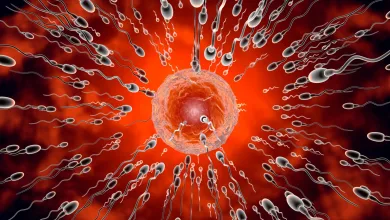
A new study has identified an engineered protein system that could significantly improve fertility outcomes for women over 35 by addressing a key biological limitation in ageing eggs. Source: independent.co.uk.
What Happened in the Research
Scientists at the Max Planck Institute for Multidisciplinary Sciences in Göttingen, Germany, developed a synthetic protein system named TALhesin. This artificial protein mimics the function of natural cohesin, which binds chromosomes in eggs and ensures accurate genetic division during fertilisation.
The research tested immature mouse eggs and later moved to donated human eggs. In both, TALhesin restored chromosome stability in older eggs that have lost natural cohesin due to ageing.
How the System Works
In healthy eggs, cohesin forms a protective layer around chromosomes. This prevents premature separation during cell division.
As women age—especially after their late 30s—cohesin levels drop. This loss causes chromosomes to missegregate, leading to a condition called aneuploidy.
Researchers injected messenger RNA into immature mouse eggs to trigger TALhesin production. Once made, the protein attached to the same chromosomal regions where cohesin normally binds, acting as a molecular substitute.
Key Results in Mice
This matches levels seen in eggs from much younger animals.
The treatment reduced aneuploidy—a major cause of failed IVF cycles and early miscarriage.
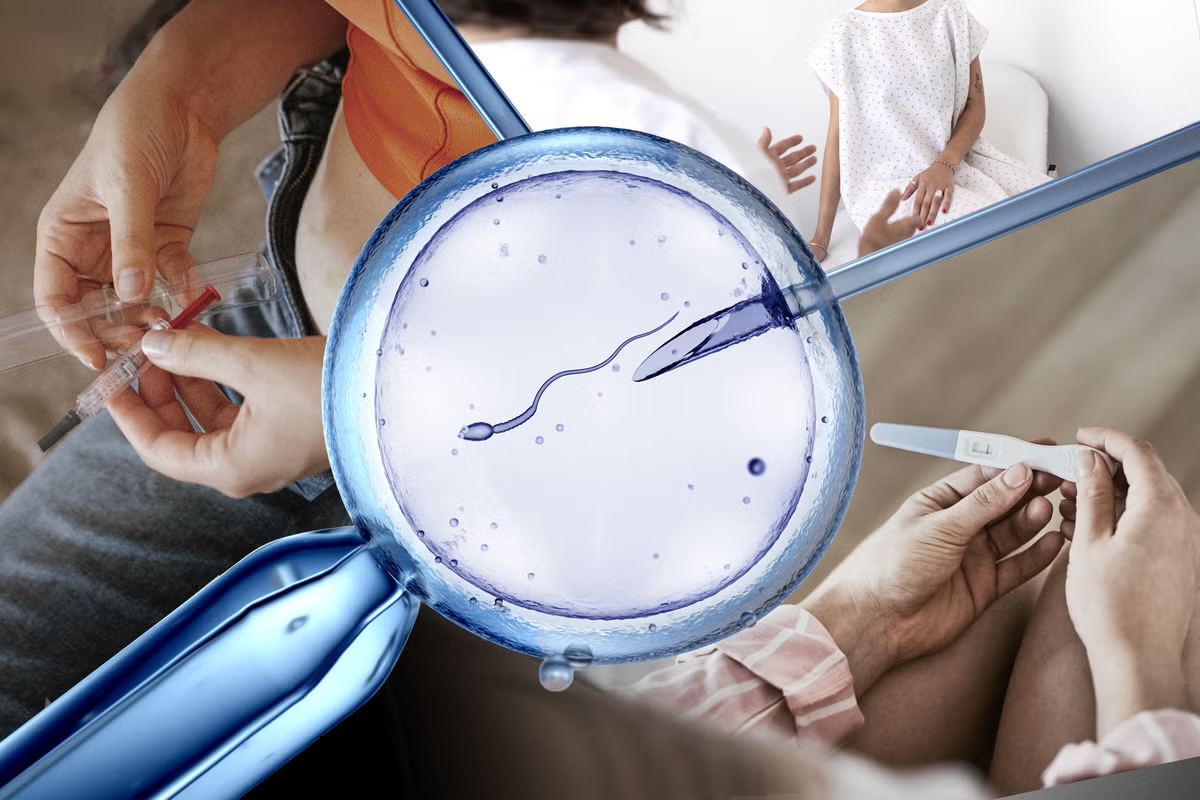
Human Egg Experiments
Initial tests on donated human eggs showed TALhesin proteins accumulated in the correct chromosomal regions. This suggests the system may work in human cells.
However, it does not confirm safety or effectiveness in real fertility treatments.
Why This Matters for Fertility Treatment
If TALhesin can be safely used in clinics, it could improve IVF success, lower miscarriage risks, and offer new hope to women seeking parenthood later in life.
Limitations and Next Steps
Turning this research into real treatments remains a long-term challenge. Scientists must confirm that treated eggs can be fertilised safely and that embryos develop normally without side effects.
There is no evidence yet that TALhesin has been tested in live human pregnancies or that it improves IVF outcomes in actual clinics.
More studies are needed to prove safety and effectiveness before any patient use is possible.
The study, published in the journal Science, marks the first time a synthetic system has successfully mimicked natural cohesin in eggs. This breakthrough opens new paths for research into age-related reproductive decline and potential treatments.
Sources & further reading
Featured image: original publisher image. Via original publisher. Image source