
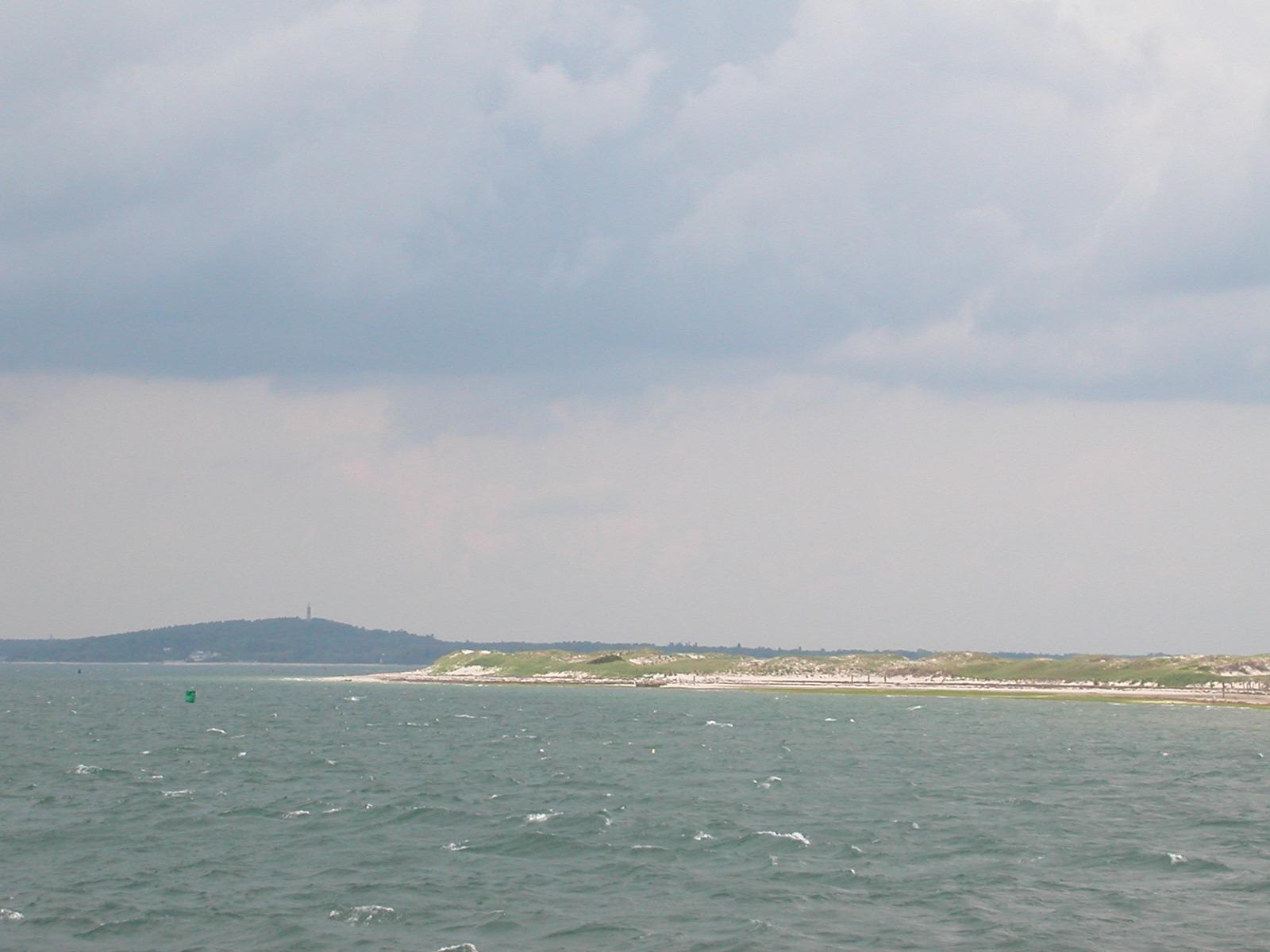
Mount Batten Beach in Plymouth has been fenced off since July 2026. The closure follows repeated detections of asbestos fibres in sand samples. Source: bbc.co.uk.
What Happened
Since 2019, asbestos has been washing ashore at Mount Batten Beach. The material, including both white and blue varieties, has been removed in quantities exceeding 1.5 tonnes.
Tests conducted in April and July 2026 found asbestos fibres in the sand at levels that could pose a health risk if inhaled. These findings triggered a full closure of the beach.
Key Facts
- Asbestos was first discovered in 2019 when 500kg of material was removed from the shoreline.
- Over 1.5 tonnes of asbestos-containing material has been cleared from the beach and nearby sites.
- Initial tests in 2019 suggested low risk, but recent results are described as a ‘new and worrying development’ by council officials.
- There is no evidence of airborne asbestos on the beach, but sand samples show fibres.
- Access is now restricted to two areas on the peninsula; the rest of the beach is fenced off.
Background: Where Is the Asbestos Coming From?
Residents and experts suspect the source lies in the former RAF Mount Batten base, which operated from the 1930s to 1992.
Maritime archaeologist Mallory Haas says asbestos-containing roofing materials were buried during the base’s operation and are now being exposed by coastal erosion.
She notes visible erosion behind staircases leading to the beach, suggesting material is being washed out of the land.
Why It Matters
Mount Batten was a popular, accessible beach used by swimmers of all ages, especially older adults and those with mobility challenges.
Its closure has disrupted a community that gathered regularly for swims, especially during holidays and festivals.
Local MP Rebecca Smith has criticized the situation, saying it undermines Plymouth Sound’s status as the UK’s first National Marine Park.
She argues that having a closed beach on one side of the peninsula contradicts the region’s environmental protections.
Public Response
More than 140 people attended a public meeting about the issue. A petition has been submitted to Parliament calling for urgent action to reopen the beach.
Businesses near the beach, such as The Bridge restaurant, have also been affected. It closed in September, citing the beach closure as a major factor.
Health Risks of Asbestos
Asbestos fibres, when inhaled, can lead to serious long-term health issues, including asbestosis and lung cancer.
Asbestosis is a progressive lung disease with symptoms such as shortness of breath, persistent cough, and chest pain. It can take 20 to 30 years to develop after exposure.
Since 1985, the UK has banned imports of blue and brown asbestos. White asbestos was banned in 1999. These bans are in place to reduce public exposure.
What to Watch Next
Authorities are still investigating the source and spread of the asbestos. The full timeline of contamination remains unclear.
Residents and officials are demanding transparency. The city council says reopening the beach is a high priority.
Further testing and erosion studies may reveal whether the material is coming from the RAF base or other sources.
Source: BBC News, https://www.bbc.co.uk/news/articles/c574p9rdk2mko?at_medium=RSS&at_campaign=rss
Sources & further reading
Featured image: Plymouth Beach MA.JPG by Raime, CC BY-SA 3.0, via Wikimedia Commons. Image source · License
