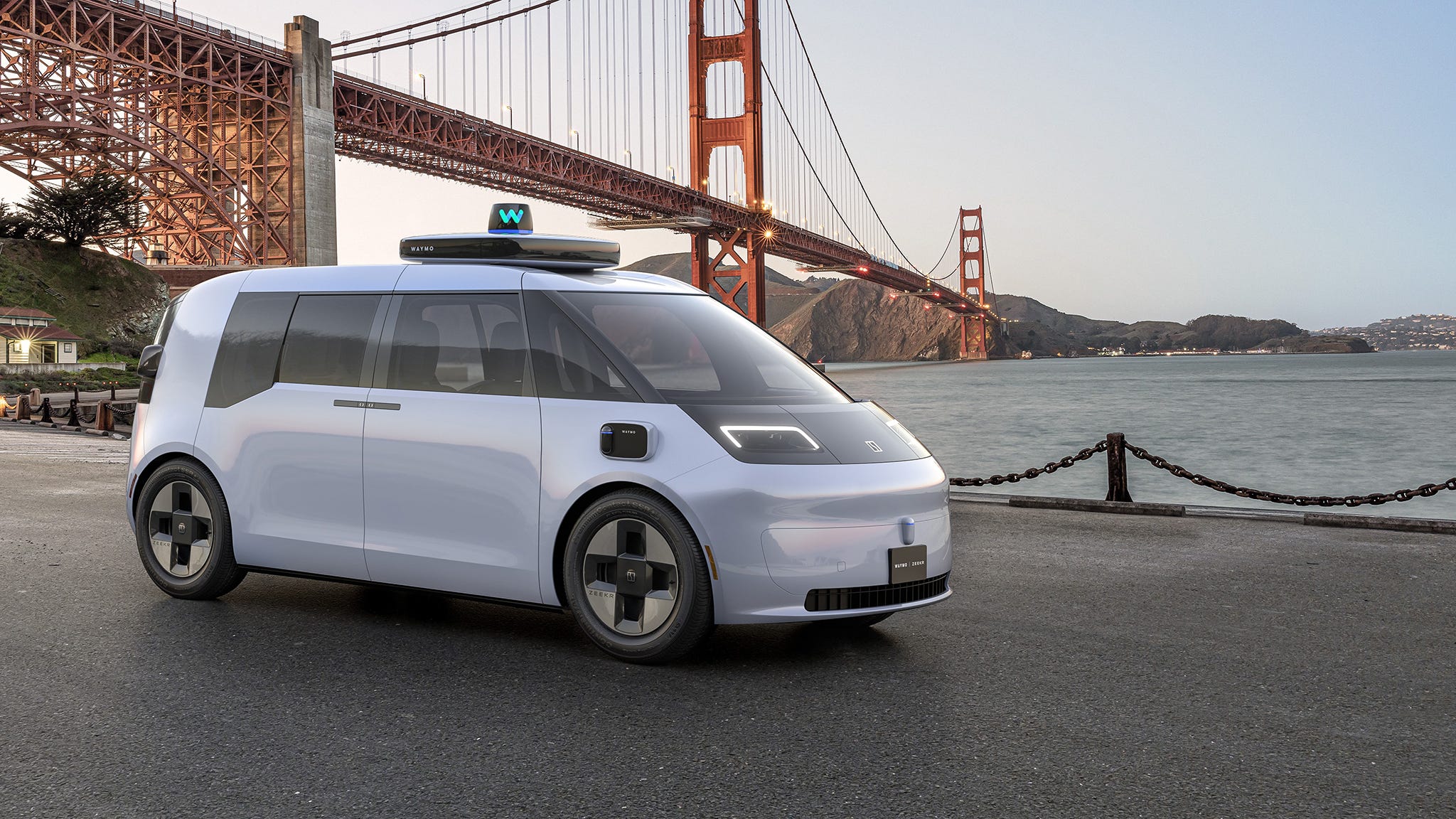
Ever since driverless cars became more common, one question has hovered over the road: who gets the ticket when no one is behind the wheel of a vehicle cited for a traffic violation? Beginning on July 1, 2026, California will begin implementing its answer. Under Assembly Bill 1777, police and traffic officers will have a clear framework for citing Waymo, Tesla, Uber, and other autonomous vehicle operators when their vehicles break the law.
As Road & Track reports, the measure lays out how robotaxis and other driverless vehicles can be penalized for speeding, illegal turns, rolling through stop signs, and the same range of infractions human drivers face. Once the law takes effect, officers will be able to issue notices of autonomous vehicle noncompliance that identify the operator and list the alleged violations. Those notices will include the same basic details as a standard traffic citation: date, time, location, the laws allegedly broken, and the vehicle’s license plate number. The one obvious omission is a driver’s license number, because there is no driver.
So how do officers ticket a car with no one in it? That responsibility will fall to the California Department of Motor Vehicles. The DMV will process notices of noncompliance submitted by law enforcement, review the incident, and decide whether corrective action is necessary. In collisions, police will issue a citation to the autonomous operator’s human representative once that person arrives at the scene.
According to the Los Angeles Times, penalties can include restrictions or suspensions of an operator’s permit for repeat violations or problems that cannot be fixed. The bill also adds new emergency response requirements, including a dedicated emergency phone line and a two-way communication system linking first responders with a remote human operator. It also allows emergency personnel to send an emergency geofenced alert that can keep other autonomous vehicles out of crime scenes and other sensitive areas within two minutes.
The legislation also raises the bar for public testing. Operators must now log 500,000 test miles and produce an annual first responder interaction plan. The bill also sets standards for remote human operators and updates California’s reporting requirements regarding autonomous vehicles.
Whether the law will meaningfully improve safety between robotaxi companies and the public remains to be seen, but at least California is taking a step toward making autonomous vehicle operators accountable for what their cars do on the road.