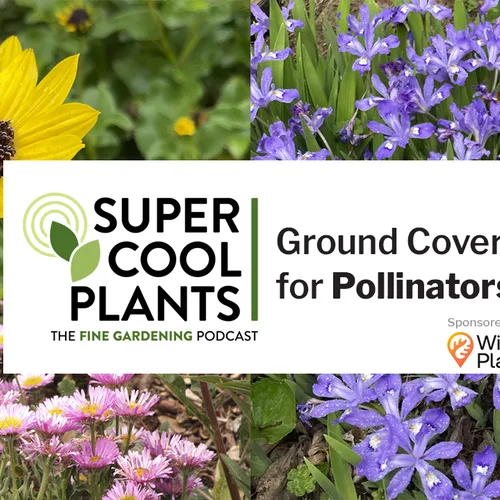
Ground covers are more than just visual fillers in a garden. They play a vital role in supporting pollinators, especially during early spring when flowering plants are scarce. Source: finegardening.com.
Why Ground Covers Matter for Pollinators
Many gardeners overlook the bottom layer of their landscape. Yet, low-growing plants can provide essential food and shelter for bees, butterflies, and other pollinators.
Early blooming ground covers offer critical resources when other plants haven’t yet flowered. This timing is especially important for native pollinators that rely on seasonal availability of nectar and pollen.
These plants also create microhabitats—offering protection from wind, rain, and predators—while contributing to biodiversity in small garden spaces. For instance, dense mats of creeping thyme or Oregon grape can serve as natural windbreaks and nesting sites for solitary bees, which often require sheltered areas to lay their eggs.
Moreover, ground covers help stabilize soil, reduce erosion, and improve water retention. In areas with poor drainage or compacted soils, such as urban lawns or slopes, these plants act as a biological solution to common gardening challenges. Their root systems bind soil particles, preventing runoff and promoting healthier soil structure over time.
Joseph Tychonievich’s Top Picks
Joseph Tychonievich, a horticulturist and author, recommends four ground covers known for their pollinator value and adaptability.
- Partridge berry (Mitchella repens): Grows in Zones 3–8. This native plant produces small, white flowers in early spring. It is one of the first plants to bloom, making it a key food source for emerging pollinators. The plant grows slowly and spreads by underground runners, forming dense mats that suppress weeds and retain moisture. It is particularly effective in shaded or woodland areas where traditional ground covers may struggle.
- Dwarf crested iris (Iris cristata): Thrives in Zones 3–9. This low-growing iris blooms in spring and attracts bees and beetles. It is resilient and performs well in poor soils. Its compact form makes it ideal for tight spaces, and its ability to thrive in dry conditions reduces the need for irrigation. It also provides a natural border effect, blending seamlessly into garden edges or rock gardens.
- Thyme-leaf speedwell (Veronica oltensis): Grows in Zones 4–9. This plant offers early spring flowers and is drought-tolerant. Its dense growth helps suppress weeds and retain moisture. The plant’s small, blue flowers are highly attractive to bees and hoverflies, which are important pollinators in both wild and cultivated settings. Its ability to grow in full sun to partial shade makes it versatile for a range of garden conditions.
- Dune sunflower (Helianthus debilis subsp. debilis): Suitable for Zones 8–11. This variety blooms later in the season and provides nectar for bees and other pollinators. It grows well in sandy, well-drained soils. Its tall, open structure allows for good air circulation, which helps prevent fungal diseases in humid climates. It is especially useful in coastal or sandy environments where traditional turfgrass fails to establish.
Tychonievich emphasizes that these plants are not only pollinator-friendly but also adaptable to various garden conditions, including rocky or dry areas. He notes that their resilience makes them ideal for xeriscaping and sustainable landscapes where minimal inputs are required.
Susan Calhoun’s Recommended Ground Covers
Susan Calhoun, a certified landscape designer with over 25 years of experience, shares four plants that are both visually appealing and beneficial to pollinators.
- Red creeping thyme (Thymus praecox ‘Coccineus’): Grows in Zones 5–9. This variety features vibrant red flowers and spreads slowly. It is ideal for sunny spots and supports bees and hoverflies. Its compact growth habit makes it perfect for edging pathways or filling in gaps between larger plants. The plant’s fragrance also attracts beneficial insects, enhancing the overall garden ecosystem.
- Creeping Oregon grape (Mahonia repens): Grows in Zones 5–8. This plant produces yellow flowers in spring and has evergreen foliage. It tolerates shade and poor soils. Its foliage provides year-round cover, which is valuable for overwintering insects and small pollinators that emerge in early spring. It is especially effective in gardens with mixed light conditions.
- Seaside daisy (Erigeron glaucus): Grows in Zones 7–10. This hardy plant blooms in early summer and is well-suited to coastal or windy gardens. It attracts bees and small insects. Its tolerance for salt spray and wind makes it a standout choice for seaside or exposed garden zones. It also grows well in containers, offering flexibility for patios or balconies.
- Mount Omei impatiens (Impatiens omeiana): Grows in Zones 6–9. This plant offers long-lasting blooms and is tolerant of light shade. It is especially useful in areas with limited sunlight. Its flowers are rich in nectar, making it a reliable food source for bees during mid-summer when other plants may be less productive. It also performs well in containers and can be used to create vertical interest in low-lying garden beds.
Calhoun notes that these plants are easy to maintain and grow well in diverse garden settings, from residential yards to small urban spaces. She highlights that their low growth habit and minimal pruning needs make them ideal for busy gardeners or those with limited time for maintenance.
How These Plants Support Pollinators
Each of these ground covers provides a unique benefit to pollinators. Early bloomers like partridge berry and dwarf crested iris support species that emerge in spring. Others, such as red creeping thyme and seaside daisy, offer resources during mid-summer.
Many of these plants are native to North America. This makes them well-adapted to local climates and ecosystems, reducing the need for chemical inputs or irrigation. Native plants have co-evolved with local pollinators, resulting in more effective and efficient interactions compared to non-native species.
They also support biodiversity by offering food and shelter in a compact form. This is especially valuable in urban or small-space gardens where traditional lawn areas are limited. By replacing turfgrass with native ground covers, gardeners can significantly increase pollinator activity and improve overall garden health.
Practical Considerations for Gardeners
When selecting ground covers, gardeners should consider their region’s climate, soil type, and sunlight exposure.
For example, partridge berry and creeping Oregon grape perform best in cooler climates. In contrast, dune sunflower and seaside daisy are better suited to warmer, drier zones. Gardeners in humid or rainy regions may need to select varieties with good drainage and wind resistance.
Some of these plants are low-maintenance and require minimal watering once established. This makes them ideal for sustainable gardening practices. They also help reduce erosion and suppress weeds, lowering long-term maintenance needs.
Limitations and Challenges
Not all ground covers are equally effective for pollinators. Some may lack sufficient nectar or bloom at times when pollinators are most active. For instance, certain varieties may only produce flowers for a few days, which may not meet the needs of sustained pollinator activity.
Additionally, certain plants may be invasive in specific regions, despite being native. Gardeners should research local regulations and plant behavior before introducing new species. For example, some ground covers may spread aggressively in certain soil types, potentially outcompeting native species.
There is also limited data on how these plants perform in different microclimates or soil types. More long-term studies are needed to fully understand their ecological impact. However, anecdotal evidence from experienced gardeners and ecological surveys suggests that native ground covers consistently outperform non-native alternatives in supporting pollinator populations.
What to Watch Next
Future episodes of the Super Cool Plants podcast explore other plant types that support pollinators, such as host plants and native annuals.
For more on sustainable gardening, readers may also explore the beneficial host plants for pollinators episode.
Those interested in designing with native plants can refer to the not your typical ground covers episode.
For a broader look at garden design strategies, see the small garden space strategies article.
These resources offer practical insights into how to build pollinator-friendly gardens that are both functional and ecologically sound.
Sources & further reading
Featured image: THUMBNAIL-1×1. Via original publisher. Image source