Setting up a bird feeder is a common step for gardeners and outdoor enthusiasts. But many find their new feeders empty—despite having bought seed and hung the feeder properly. This can be frustrating, especially when you’ve invested time and effort into creating a welcoming space for birds. The good news is that there are clear, evidence-based reasons why birds may not visit your feeder, and with a few simple adjustments, you can turn your empty feeders into vibrant hubs of avian activity. Source: ruralsprout.com.
The Time of Year Matters
Tracey Besemer set up her feeders in early November, unaware of seasonal bird behavior. At the time, she assumed birds would naturally come to her new feeder, just as they did at her old home. But birds are not only seasonal—they are highly responsive to food availability.
In fall, when leaves are green and berries are ripe, birds have plenty of natural food. They see feeders as a backup, not a primary source. This makes it harder for new feeders to attract birds.
Winter offers a stark contrast. As natural food becomes scarce, birds rely more on consistent feeders. This is when they are most likely to return. Setting up a feeder in winter increases the chances of attracting birds.
A feeder in late winter or early spring may attract birds in weeks. In fall, it could take months—especially if natural food is still abundant. This pattern is supported by ornithological studies on bird feeding habits.
Location and Protection
Birds assess safety before visiting a feeder. A feeder that feels exposed will be avoided entirely. This is especially true if cats or hawks are nearby.
Research shows birds evaluate risk before feeding. A feeder within three feet of a window is dangerous. Birds flying close can strike windows and get hurt. This is not just a risk—it’s a serious threat.
Place feeders within ten feet of trees or shrubs. This gives birds a place to hide or take flight. Native plants like serviceberry, elderberry, or chokeberry offer both food and cover. A yard with native plants becomes a safer, more inviting space.
Clear Flight Paths
Birds need a direct, unobstructed path to reach a feeder. If a path is blocked by tall shrubs, fences, or garden ornaments, birds may skip the feeder entirely.
Birds choose the shortest, safest route. A blocked path means no access. Even a small obstacle can prevent birds from reaching a feeder. This applies to all yard sizes.
A feeder behind a dense hedge may seem private—but if the hedge is too tall or thick, birds can’t fly through it. A clear path from cover to feeder increases bird use.
Feeder Type and Seed Choice
Not all birds use the same feeders. Small birds like goldfinches and chickadees prefer feeders with narrow openings—like thistle socks or tube feeders.
These birds latch onto the sides and feed efficiently. Cardinals need wide, stable perches to stand on. Without a solid platform, they may skip the feeder.
Using a mix of feeders—like tube, platform, and hopper types—helps attract more species. Tracey recommends tube-style squirrel-resistant feeders. They offer stability and reduce squirrel access.
What Seed to Use
Black oil sunflower seed is one of the most popular and effective choices. It’s high in energy, easy to digest, and appeals to many birds.
Many cheap mixes contain fillers like cracked corn, wheat, or milo. These ingredients are not appealing to birds and often go unused. Birds are selective and avoid low-value seed.
For small birds, try nyjer seed. For larger birds, use peanuts. In winter, suet cakes provide extra energy. Tracey shares a DIY recipe using melted suet, seeds, and molasses.
Seed Maintenance
Seed spoils quickly when exposed to air, sunlight, or moisture. Insects, rain, and heat can cause it to go rancid or develop mold.
A bag left in a garage for months may lose nutritional value. Replace seed weekly—especially in new feeders—to keep it fresh and appealing.
Wash feeders regularly with mild soap and water. This prevents bacteria and mold buildup, which can harm birds.
Local Bird Populations Are Unique
Tracey moved just seven miles from her old home—but the bird population changed completely. This shows bird communities are highly localized.
If cardinals are common, use a large perch feeder. If small birds like chickadees or nuthatches are frequent, a thistle or nyjer feeder works better. Observe which birds are already in your yard.
Feeding what birds naturally eat increases the chances of attracting them. A successful feeder is part of a broader ecosystem—food, shelter, and safe movement paths.

Patience Is Key
After two weeks, Tracey felt frustrated with no birds. She questioned whether she had made a mistake. But she learned it can take a month or more for birds to discover a new feeder—especially in spring or summer.
Feeding in fall or spring may take weeks or months. Birds respond to environmental cues—temperature, daylight, wind—that signal when it’s safe to feed.
Consistent effort—adding fresh seed weekly, cleaning feeders, and ensuring proper placement—is essential. Once birds begin visiting, maintaining the feeder becomes the next challenge.
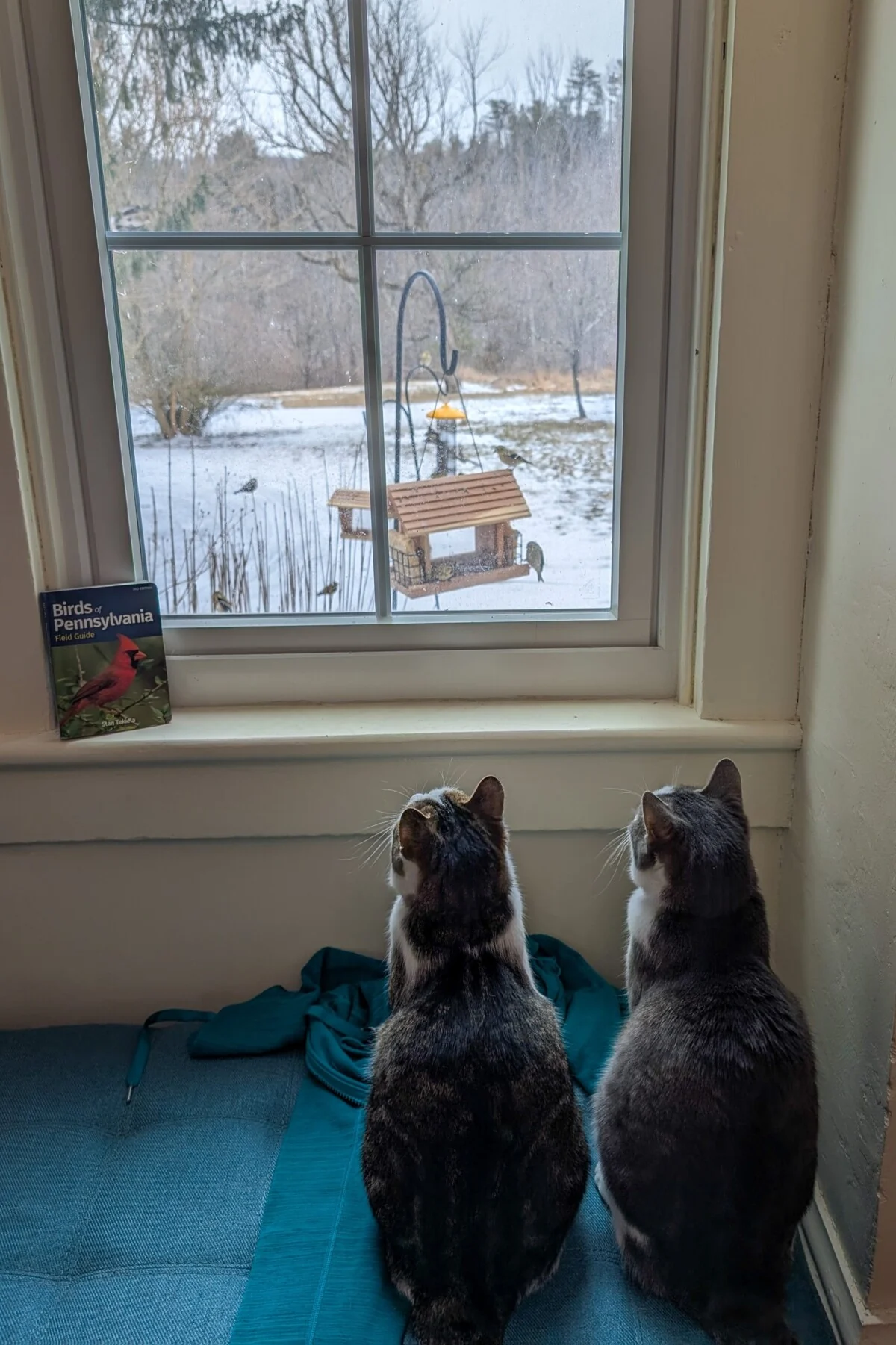
After writing the article, Tracey found nuthatches, a chickadee, and a house finch at her feeders. This confirms birds eventually respond to proper setup. It also shows they return when conditions are right and they feel safe.
What to Do Next
If you’ve set up a feeder and still have no birds, check these points:
- Is it winter? If not, birds may not be seeking food yet.
- Is the feeder protected by trees or shrubs?
- Is there a clear flight path to the feeder?
- Is the seed fresh and free of fillers?
- Are feeders being cleaned regularly?
For more feeding ideas, see how to make DIY suet cakes. For tips on keeping squirrels out, visit this guide.
Tracey Besemer, the editor of Rural Sprout, grew up on a homestead in upstate New York. She now lives in Pennsylvania and emphasizes self-sufficiency and hands-on gardening.
She has a background in traditional outdoor skills—like pressing apples for cider or tapping trees for syrup—and continues to apply those lessons today.
Her gardening philosophy blends modern convenience with rustic, hands-on practices. She believes true connection to nature comes from doing things with your hands—like planting, harvesting, and observing the rhythms of the seasons.
She writes weekly newsletters on gardening, seasonal tasks, and DIY projects. Readers can subscribe to receive her notes directly.
For more on how to create a bird-friendly yard, explore her personal blog at Almost a Homesteader or follow her on Instagram at @aahomesteader.
Sources & further reading
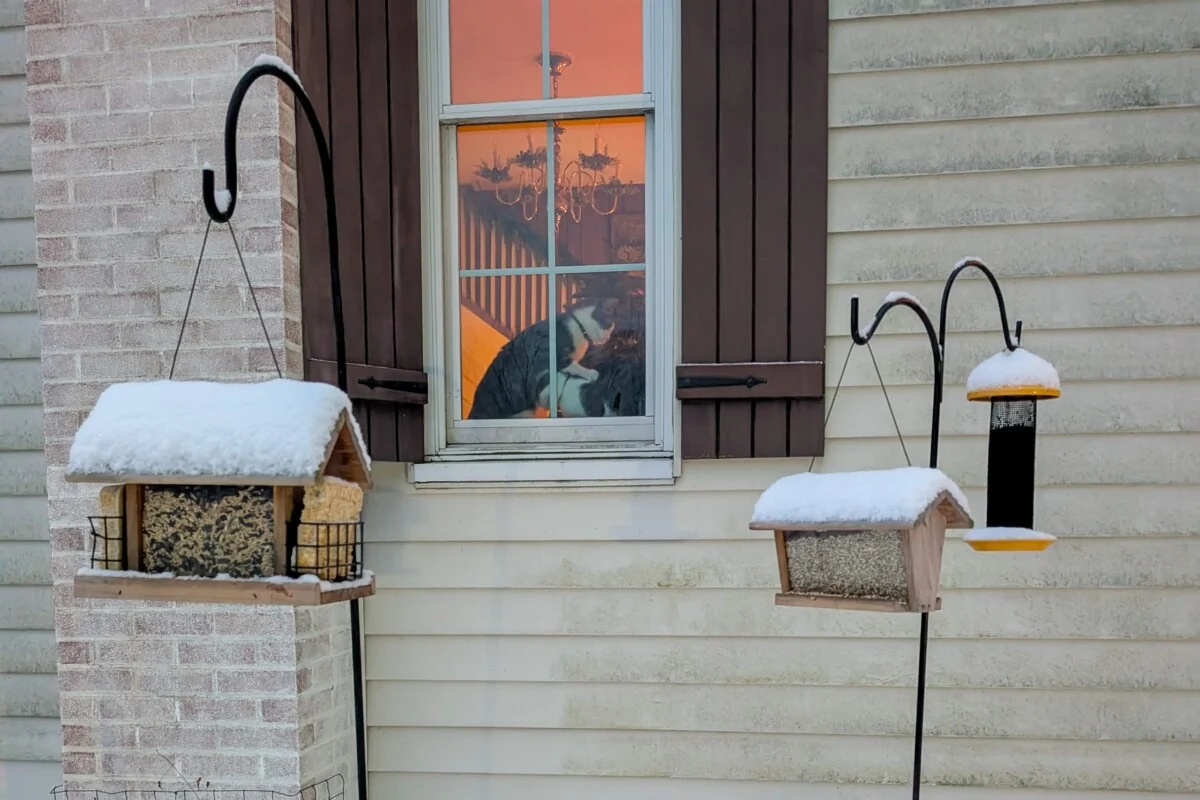
Featured image: Snow-covered bird feeders filled with seed, but no birds. Via original publisher. Image source