A new analysis has ranked U.S. cities based on their suitability for sober travelers. The study, conducted by The Balance, evaluates 100 different cities using data on parks, cafés, recovery meetings, and binge-drinking estimates. The rankings aim to help individuals who follow a sober lifestyle find destinations where non-alcoholic experiences are abundant and accessible. Source: mentalfloss.com.
The Best Cities for Sober Travelers
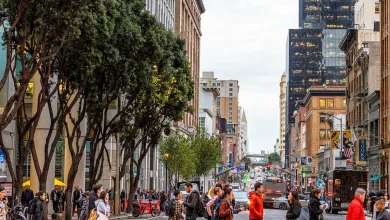
San Francisco tops the list as the best city for a sober getaway. According to The Balance, it leads in parks per square mile and has the highest number of cafés per 100,000 residents. These features offer visitors engaging, non-alcoholic experiences. The city’s extensive network of public parks—such as Golden Gate Park and the Presidio—provides ample space for walking, jogging, or simply enjoying nature. Its vibrant café culture, including iconic spots like the original Starbucks, ensures there are numerous places to relax and socialize without alcohol.
Seattle ranks second. The city is recognized for its strong coffee culture and high density of cafés, which may not be surprising given its role as the birthplace of Starbucks. It also earns high marks for its park access, offering scenic and recreational alternatives to bar environments. Key parks such as Discovery Park and the Seattle Center provide diverse opportunities for outdoor activities, making the city a welcoming destination for those seeking wellness-focused leisure.
Boston comes in third. The city ranks second for parks per square mile and is among the top cities for cafés and recreational activities. It offers a blend of cultural and natural attractions, including the Boston Public Garden and the Freedom Trail. These spaces support both relaxation and community engagement, making Boston a compelling choice for travelers who value meaningful, non-alcoholic experiences.
- San Francisco, California
- Seattle, Washington
- Boston, Massachusetts
- Santa Ana, California
- Long Beach, California
- Cleveland, Ohio
- Sacramento, California
- Richmond, Virginia
- Portland, Oregon
- Spokane, Washington
California dominates the top 10 with four entries. This reflects the state’s strong network of public spaces and coffee culture, both of which support sober lifestyles. The state’s emphasis on outdoor recreation and community-based wellness initiatives contributes to its high rankings. Travelers in California can find a wide range of non-alcoholic activities, from urban walks to cultural events, all supported by accessible public infrastructure.
The Worst Cities for Sober Travelers
Port St. Lucie, Florida, ranks first among the worst. The city has only 0.4 parks per square mile, which is significantly below average. This scarcity limits opportunities for outdoor recreation and public gathering spaces. According to The Balance, it also has one of the lowest numbers of cafés in the study, making it difficult for sober travelers to find non-alcoholic beverage options. The urban design lacks green spaces and communal areas, which are essential for social interaction without alcohol.
North Las Vegas, Nevada, follows. While it does not include the Las Vegas Strip, it offers few attractions and has a minimal number of cafés. The city ranks third-worst for things to do and has lower park density than even Port St. Lucie. As a result, basic leisure activities are hard to find, making it less ideal for travelers seeking a balanced, sober experience. The absence of public spaces and dining venues reduces the availability of non-alcoholic social environments.

Cape Coral, Florida, is tied with Port St. Lucie in park availability. It also has one of the lowest numbers of cafés in the study, creating a challenge for sober visitors who want to enjoy a drink or meal without alcohol. The city’s limited public spaces and dining options reduce opportunities for social engagement, especially in a community setting.
- Port St. Lucie, Florida
- North Las Vegas, Nevada
- Cape Coral, Florida
- Denver, Colorado
- Chesapeake, Virginia
- Laredo, Texas
- El Paso, Texas
- Hialeah, Florida
- Bakersfield, California
- Newark, New Jersey
Florida appears in three of the worst cities. This suggests a regional pattern of limited public spaces and fewer non-alcoholic venues. Urban planning in these areas may prioritize commercial activity over community wellness infrastructure. The data indicates that cities in Florida with lower park density and fewer cafés present greater challenges for sober travelers seeking accessible, non-alcoholic social experiences.
It is important to note that the rankings are based solely on publicly available data and do not include interviews, personal experiences, or subjective assessments. The analysis does not represent official health or travel recommendations. Travelers should consider their personal preferences—such as interest in cultural events, outdoor activities, or community engagement—when selecting a destination.
While the list offers useful guidance, it does not consider individual traveler preferences. A city with many parks may still feel uninviting to someone seeking cultural experiences. Therefore, the rankings serve as a starting point, not a definitive guide to travel decisions.
For travelers who prioritize sobriety, this list provides a clear picture of where non-alcoholic options are most or least available. It helps identify cities with strong alternatives to drinking, supporting a healthier, more intentional travel experience.
Further research is needed to understand how urban design and public spaces influence sober lifestyles. Current data focuses on physical infrastructure, not social or cultural factors. Future studies could explore how community events, sober social groups, and public health initiatives shape the overall experience of living and traveling without alcohol.
Sources & further reading
Featured image: original publisher image. Via original publisher. Image source