Blackstone is stepping into the heart of the AI boom, using its $1.3 trillion in assets to fund compute infrastructure and AI adoption. The firm has positioned itself as a key player beyond traditional venture capital, focusing on compute financing and flexible capital structures. Source: techcrunch.com.
Blackstone’s AI Strategy: From Data Centers to Enterprise Adoption
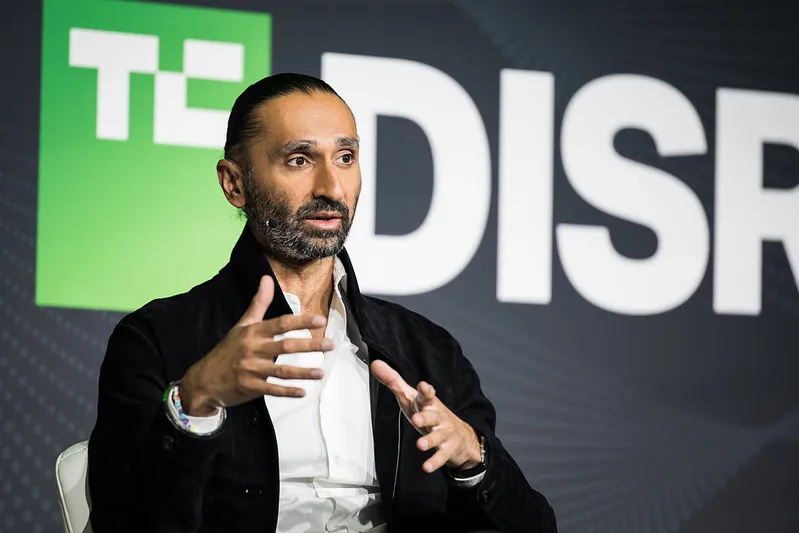
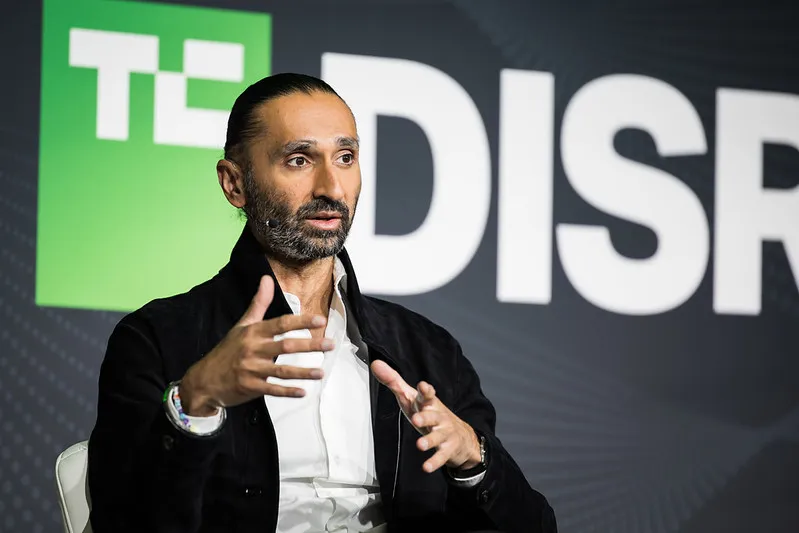
Jas Khaira, Blackstone’s AI head, outlined the firm’s role at TechCrunch Disrupt in San Francisco. He emphasized that Blackstone’s approach differs from traditional venture capital by focusing on compute financing and scalable capital structures.
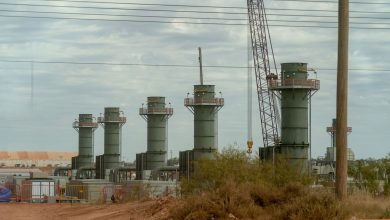
Unlike past tech cycles like mobile or SaaS, AI demands massive capital. Frontier AI models require enormous computational power. This means companies need vast data center capacity and specialized hardware like high-performance GPUs. The result is a new financial reality: capital intensity is now structural.
Blackstone N1: The AI Infrastructure Hub
It serves as a central hub for AI initiatives. Khaira moved from New York to lead it, positioning himself at the core of AI development.
BXN1 oversees investments in data centers, neoclouds, and frontier AI models. It doesn’t just fund— it evaluates technical viability, scalability, and real-world demand. This active oversight shapes how AI infrastructure grows.
CoreWeave: A High-Profile Case Study
CoreWeave, a neocloud startup, secured a $2.3 billion loan from Blackstone in 2023.
Blackstone approved the loan based on two factors: the value of its Nvidia GPUs pledged as collateral, and its contracts with major tech firms like Microsoft and Meta. Khaira said the risk is assessed by customer strength, not financials alone.
That deal became a blueprint for how credit institutions now fund neoclouds. Even unprofitable companies can access large debt if they serve high-value customers.
Scaling the Model: Firmus and the IPO Cancellation
Blackstone co-led a $10 billion credit facility for Firmus, an Australian GPU provider. The deal was meant to support Firmus’ IPO on the Australian Securities Exchange, targeting $30 billion in valuation.
However, the IPO was scrapped. Khaira said the market didn’t support that price. ‘The market is thinking what is the right price for neoclouds,’ he said. ‘What is the right price for these businesses in this moment when interest rates are moving up?’
CoreWeave’s debt has since grown to about $50 billion. Altimeter Capital’s Brad Gerstner said GPU-based collateral is no longer sufficient. ‘The collateral that CoreWeave is putting up which is really only GPUs is not good enough anymore,’ he said.
Market Pressures: Rising Interest and Credit Spreads
Interest rates rose in September. Inflation signals suggest borrowing costs may stay high. As a result, lenders charge higher credit spreads on AI debt.
Khaira noted that even tech giants like Meta and Microsoft now pay more to borrow. The cost of capital has widened significantly.
These pressures show in stock performance. CoreWeave’s shares dropped over 20%. The cancellation of Firmus’ IPO reflects broader market skepticism about AI infrastructure valuations.
Why This Isn’t a Systemic Crisis
Khaira dismissed fears of a financial crisis. ‘This doesn’t feel like something where you’ve got 2008 banks that are shaky credits,’ he said.
Most data centers serve hyperscalers—companies like Amazon, Google, and Microsoft. These firms have among the strongest balance sheets. Their debt is backed by the most creditworthy businesses globally.
AI Adoption Beyond Hardware
Blackstone also supports AI adoption through Ode with Anthropic. This $1.5 billion joint venture provides forward-deployed AI engineers to help companies integrate AI into operations.
The program began with Blackstone’s 280 portfolio companies. When asked about ROI, Khaira said there is definitely return—but it’s uneven. He described adoption as moving in a ‘sawtooth-type pattern,’ with rapid spikes followed by plateaus.
This pattern suggests compute demand outpaces immediate adoption. Many firms are still in early stages. Full benefits of AI tools may take time to appear.
Open Questions and Risks
Despite progress, risks remain. GPU collateral is volatile and hard to liquidate in a crisis. Market skepticism may persist if interest rates stay high. AI adoption is still uneven across industries.
Khaira sees AI infrastructure as fundamentally sound. It’s backed by strong demand and top-tier customers. Yet, compute demand continues to grow faster than adoption. Blackstone remains central—not just in funding, but in shaping how AI is deployed and used.
Sources & further reading
Featured image: original publisher image. Via original publisher. Image source