Key Development: Tuition Fee Dispute in Brexit Deal
Andy Burnham has said EU students will not pay higher tuition fees than British students under the UK-EU agreement. Source: independent.co.uk.
He described the deal as a ‘separate piece of paper’ from the European Commission’s position on student fees.
The UK government has not proposed any tuition fee increases for EU students in its negotiations.
Agreements signed in Brussels last week cover food and agriculture, emissions trading, and a youth experience scheme.
Conservative Criticism and Concerns
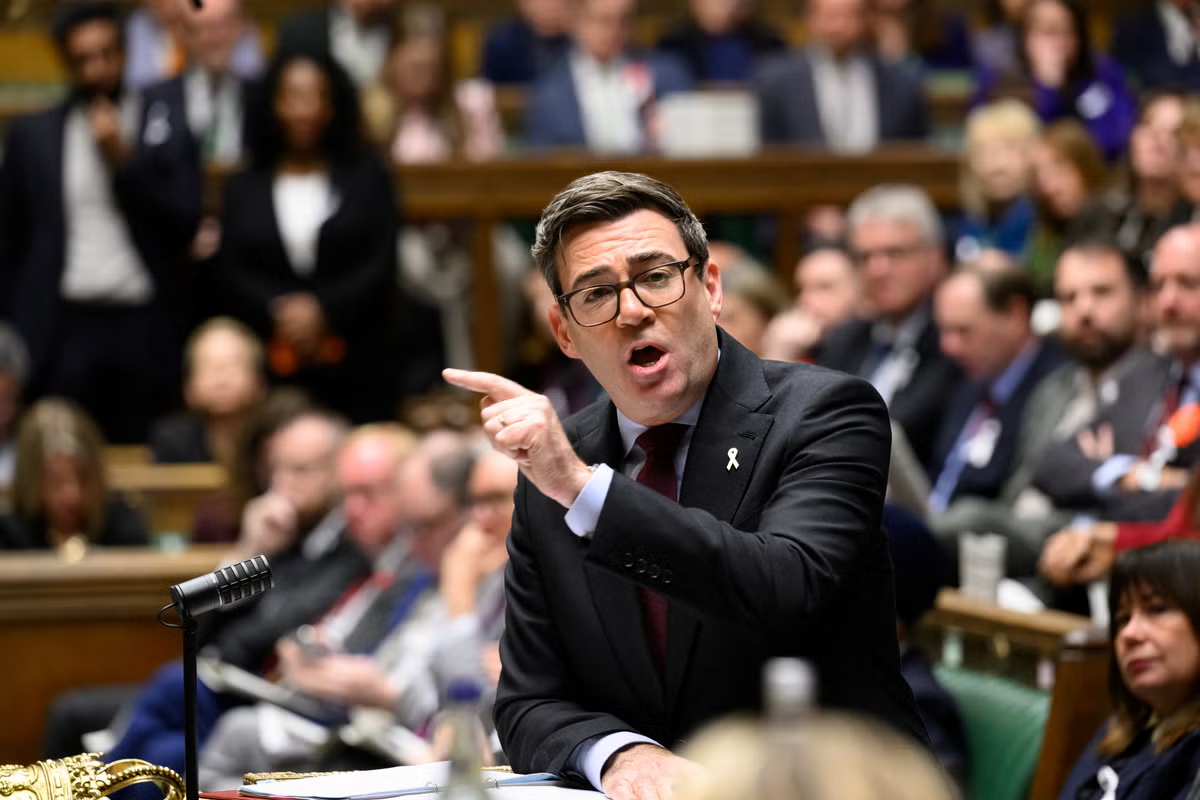
Kemi Badenoch raised concerns during Prime Minister’s Questions.
She questioned whether EU students would pay the same fees as British students.
She cited the Council of the European Union’s stance: the deal won’t move forward without a tuition fee resolution.
Badenoch challenged Burnham to clarify if the government would rule out equal fees for EU and British students.
She argued the deal lacks economic justification and fails to address student access or costs.
Burnham’s Response and Economic Rationale
Burnham distinguished the UK’s position from the European Commission’s.
He said the EU’s proposal on tuition fees has not been presented in UK talks.
He claims the deal will boost economic growth and reduce red tape for industries like steel and automotive.
He accused the Conservatives of being a ‘party of low growth’ over the past decade.
He said critics ignore the deal’s broader benefits and focus only on negatives.
Political Context and Broader Debate
The tuition fee issue has reignited debate over the UK’s post-Brexit relationship with the EU.
A new pro-Brexit campaign, ‘Keep Britain Out’, launched by Nigel Farage and Arron Banks, is challenging Lord Michael Gove’s ‘Stay Out’ campaign.
The campaigns reflect a shift in political messaging around EU membership.
These developments suggest the next general election could be a ‘Brexit election’.
Limitations and Uncertainties
No formal agreement on tuition fees has been reached.
The Council of the European Union insists the deal cannot proceed without a fee resolution.
Burnham has not shared a timeline for resolving the fee issue.
There is no public data on how fees would be calculated or applied across universities.
International students remain uncertain about access and affordability.
The debate shows a gap between political promises and real policy outcomes.
Burnham frames the deal as a growth opportunity.
Critics say it may deepen inequality in higher education access.
With rising student loans and energy costs, graduates still face financial hardship.
The situation highlights the complexity of post-Brexit negotiations.
Final outcomes depend on ongoing talks and agreement details.
Sources & further reading
Featured image: original publisher image. Via original publisher. Image source