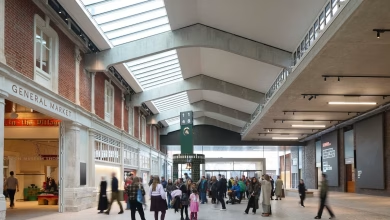
Carnival Cruise Line has introduced a new smaller ship class to offer more intimate cruising and access to smaller ports. Source: independent.co.uk.
Smaller Ships for Smaller Ports
The cruise line has partnered with Italian shipyard Fincantieri to build two new ships. Each has a gross tonnage of 130,000 and holds 1,650 cabins. The ships will be completed in 2033 and 2035. They are designed to reach ports too small for larger vessels.
Dual-Fuel Power and Emissions
Both ships will use dual-fuel propulsion. Liquefied natural gas (LNG) will be the primary fuel. This helps reduce emissions during operations. It supports broader sustainability goals in the cruise industry.
Contrast with Existing Fleet
Carnival maintains a diverse fleet. It offers both large Excel-class ships and smaller, more intimate vessels. This variety lets guests choose based on their preferences.
Leadership Perspective
Christine Duffy, president of Carnival Cruise Line, said guests value both large-scale ships and smaller, personal experiences. She noted: ‘With a 29-ship fleet, we know our guests appreciate choice. They love the incredible experiences on our Excel class ships – the largest in our fleet – but they also love the intimacy our smaller ships offer.’
Future Expansion Plans
Carnival is also developing an Ace-class fleet of mega ships. Each will be 230,000 gross tonnes. The first, Carnival Destiny, will launch in 2029. These ships will have eight outdoor pools, including six infinity pools. They will feature 25 new dining and bar experiences. A four-deck adult-only zone will also be included.
Private Island Upgrades
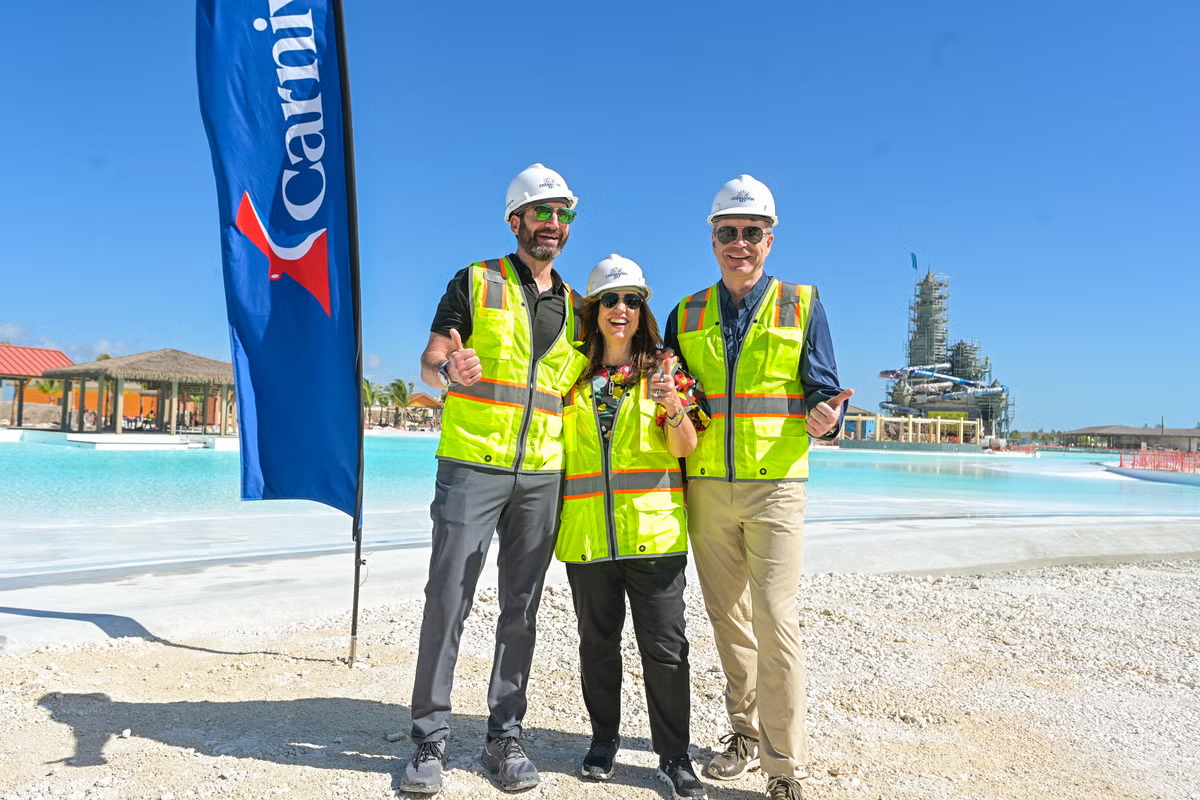
Carnival is expanding its private island offerings. Celebration Key will get a new kids’ splash area in 2028. By 2030, it will have a waterpark with 18 slides, a lazy river, and swim-up bars and swim-in cabanas. RelaxAway’s Half Moon Cay will add a free Serenity Beach for over-21s in spring 2027.
CEO’s View on Growth Strategy
Josh Weinstein, CEO of Carnival Corporation, said 12 new ships are on order for delivery through 2039. These span Carnival Cruise Line, Princess, and AIDA. The variety of ship sizes allows more flexible destination choices. Each new generation includes better technology and efficiency. This helps reduce emissions and the company’s overall environmental footprint.
Partnership and Industry Context
Fincantieri has built 76 Carnival ships over 30 years. This long-standing partnership shows strong trust. Weinstein said: ‘Even after 76 ships and 30 years, there’s still something special about seeing the next one come to life.’
Why This Matters
The new smaller ship class meets growing guest demand for choice and personal travel. Smaller ships offer more intimate experiences. They can reach ports larger ships skip. This helps diversify cruise offerings and serves a wider range of travelers.
Limitations and Open Questions
Passenger capacity for the smaller ships is not public. Pricing and target audiences remain unknown. While LNG is cleaner than traditional fuels, its environmental impact is still being studied. It’s unclear if this class will attract a new customer group or just expand the current market.
What to Watch Next
The first smaller ship will launch in 2033. Guest feedback on comfort, experience, and accessibility will be key. This will shape future designs and operations.
Sources & further reading
Featured image: original publisher image. Via original publisher. Image source