
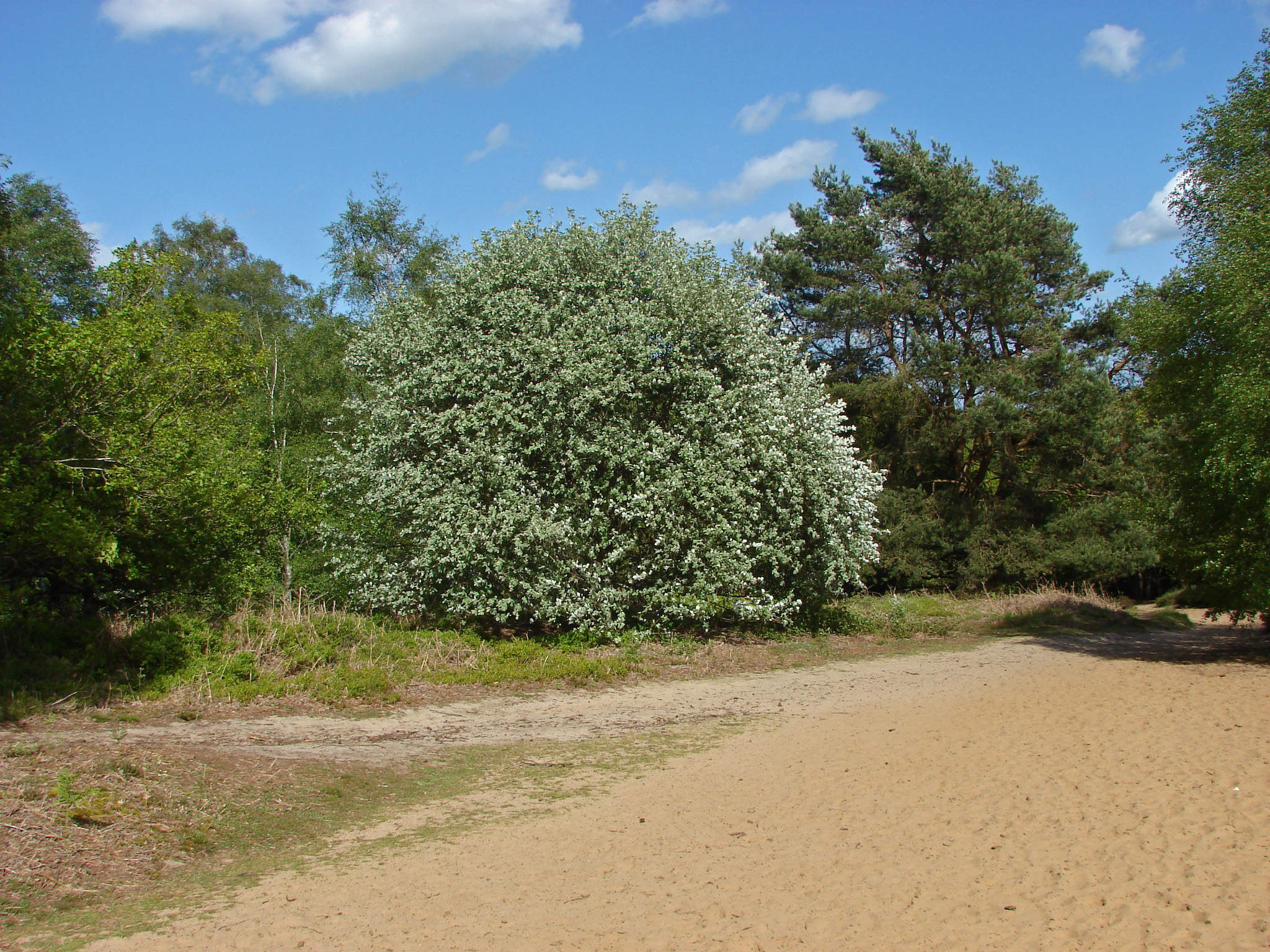
A rare tree species known as Fay’s whitebeam is being protected on the cliffs of Somerset, England. This action underscores the importance of preserving fragile ecosystems in coastal regions where biodiversity is both unique and vulnerable.
What Happened
The BBC reports that Fay’s whitebeam, a tree found exclusively on coastal cliffs in Somerset, is now under formal conservation protection. This designation comes in response to increasing threats from natural erosion, human activity, and climate-related changes that impact cliff habitats.
Key Facts
- Fay’s whitebeam is found exclusively on cliffs in Somerset.
- The species is considered rare and has limited known distribution, with only a few documented occurrences.
- Conservation efforts are being led by local environmental groups, natural history organizations, and regional government bodies working in collaboration.
Background: What Is Fay’s Whitebeam?
Fay’s whitebeam (Sorbus fayi) is a small tree species in the rose family. It grows only on specific rocky cliff habitats in Somerset, typically in areas with high exposure to wind and limited soil depth.
Its specialized growth conditions—such as shallow, nutrient-poor soils and exposure to strong winds—make it highly sensitive to environmental changes. These conditions are not replicated elsewhere, which contributes to its rarity and ecological uniqueness.
Why It Matters
Protecting this tree supports biodiversity in a region already facing environmental pressures from tourism, coastal development, and changing weather patterns.
It also serves as a case study for how rare plant species can be preserved through targeted conservation actions, including habitat monitoring, public awareness, and scientific research.
Limitations and Open Questions
The BBC report does not detail how many individuals of the species remain or where they are located. There is no information on whether the tree has been observed in other regions or if it is currently under threat from development or land-use changes.
Further research is needed to understand its full ecological role, including its interactions with other species and its long-term survival prospects in a changing climate.
What to Watch Next
Environmental groups may launch field surveys to map remaining populations and assess the health of existing stands.
Future monitoring could include studies on how climate change affects cliff habitats, including increased erosion and shifting weather patterns.
Local conservation efforts may expand to include other rare cliff-dwelling species, such as certain lichens or mosses, that share similar habitat needs.
The BBC News video on this topic is available at this link.
This story falls under the broader category of environmental conservation and biodiversity protection.
For more on rare species and habitat preservation, see our coverage of Science.
Sources & further reading
Featured image: Whitebeam tree – geograph.org.uk – 3972776.jpg by Alan Hunt , CC BY-SA 2.0, via Wikimedia Commons. Image source · License
