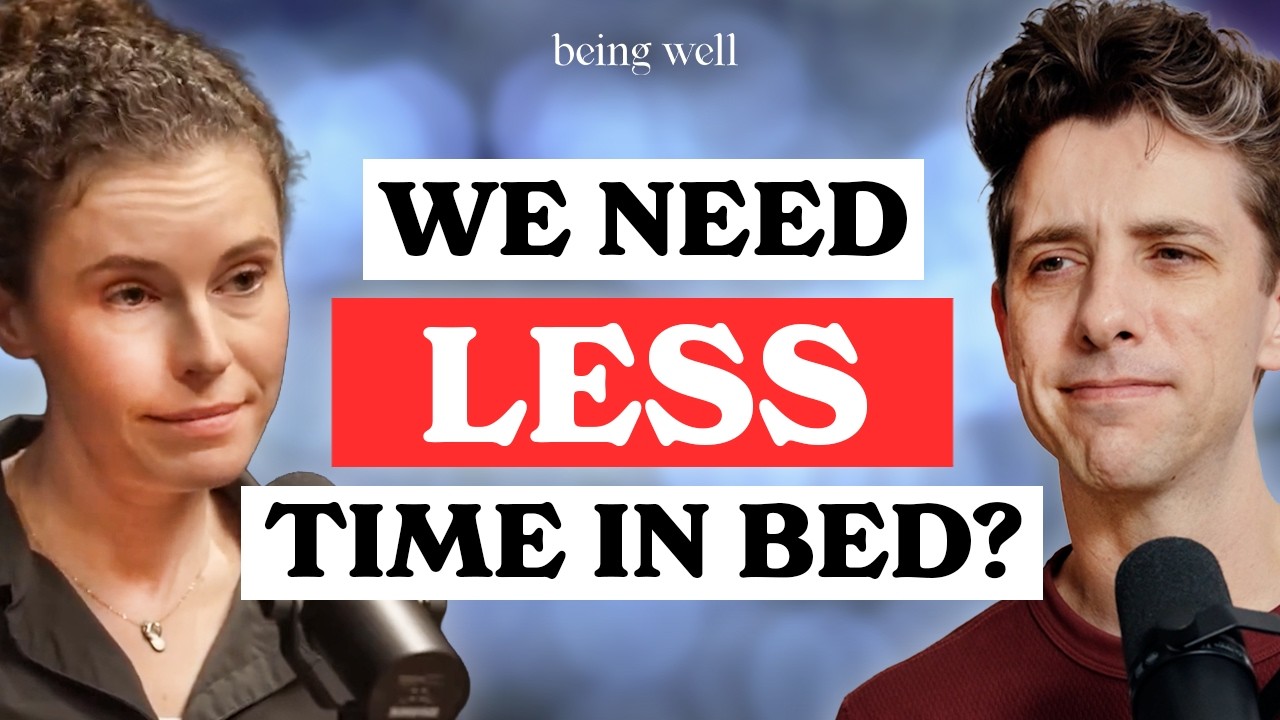
Dr. Ashley Mason, a clinical psychologist and sleep researcher at the University of California, San Francisco (UCSF), shares insights on treating insomnia through Cognitive Behavioral Therapy for Insomnia (CBT-I) in a recent episode of the Being Well Podcast. Source: rickhanson.com.
What Is CBT-I?
Cognitive Behavioral Therapy for Insomnia (CBT-I) is a structured, evidence-based treatment for chronic insomnia. It focuses on changing behaviors and thoughts that interfere with sleep.
Unlike medication, which may offer short-term relief, CBT-I targets the root causes of sleep problems. It does not rely on chemical interventions or side effects.
Key Components of CBT-I
- Sleep restriction therapy: Limits time spent in bed to match actual sleep duration, improving sleep efficiency.
- Stimulus control: Reinforces the connection between bed and sleep by using the bed only for sleep and intimacy.
- Relaxation techniques: Includes breathing exercises and progressive muscle relaxation to reduce physical and mental tension.
- Cognitive restructuring: Identifies and challenges negative thoughts about sleep, such as ‘I’ll never fall asleep’ or ‘I must stay awake to be productive’.
- Sleep hygiene: Encourages consistent routines, like avoiding screens before bed and maintaining a regular sleep schedule.
Dr. Mason emphasizes that CBT-I is not about forcing oneself to sleep. Instead, it helps individuals reframe their relationship with sleep and reduce anxiety around it.
How CBT-I Works in Practice
Each session builds on the previous one, with gradual progress in sleep quality and duration.
One example from the podcast describes a participant who had been struggling with insomnia for over a decade. After completing CBT-I, they reported falling asleep faster and waking up less frequently.
Dr. It is widely recommended by medical and psychological organizations, including the American Academy of Sleep Medicine.
Why CBT-I Matters
Insomnia is more than just difficulty falling asleep. It can lead to fatigue, poor concentration, mood disturbances, and long-term health risks.
By addressing the cognitive and behavioral patterns behind insomnia, CBT-I improves not just sleep, but overall daily functioning and emotional well-being.

It is also one of the few treatments with strong scientific backing.
Limitations and Challenges
Despite its effectiveness, CBT-I has limitations. It requires consistent effort and motivation from the individual.
Some people find it difficult to engage with the exercises, especially if they have a history of anxiety or depression. Dr. Mason acknowledges that not everyone responds equally to the therapy.
Access to trained professionals remains a challenge. In rural or underserved areas, finding a qualified CBT-I provider may be difficult.
Additionally, CBT-I is not a one-size-fits-all solution. It works best when tailored to individual needs and combined with lifestyle changes.
What to Watch Next
Further research is ongoing into digital delivery methods of CBT-I, such as apps and online programs. These tools aim to make therapy more accessible.
The UCSF Sleep and Anxiety Lab, where Dr. Mason works, continues to study how CBT-I can be adapted for diverse populations, including older adults and those with comorbid mental health conditions.
For more on the Being Well Podcast, visit Rick Hanson’s Being Well Podcast page. Learn more about CBT-I at the UCSF Sleep and Anxiety Lab: sealab.ucsf.edu.
Sources & further reading
Featured image: Insomnia. Via original publisher. Image source