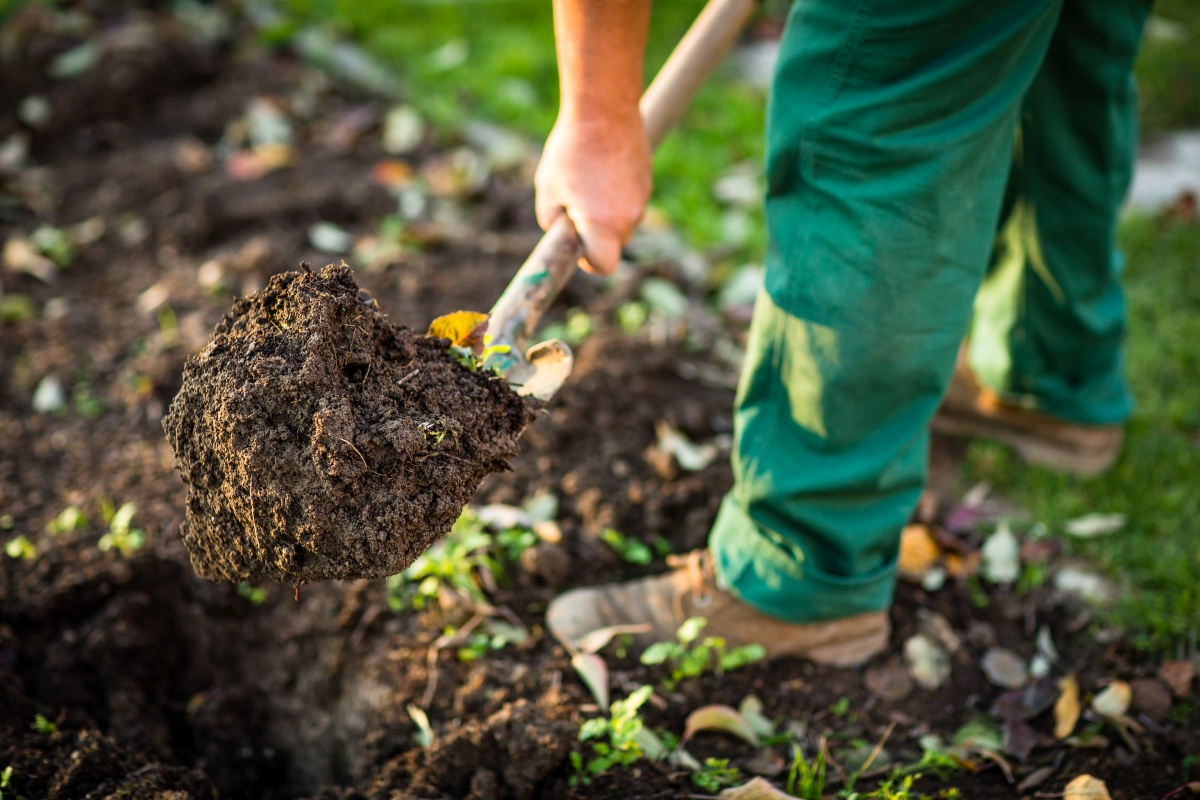
As the growing season ends, garden soil faces risks like erosion, compaction, and nutrient loss. Without care, the soil can become depleted and unproductive. Source: bobvila.com.
Why Winter Soil Needs Attention
During the growing season, plants and soil microbes break down organic matter, using up nutrients. This depletes the soil’s fertility.
When plants stop growing, garden beds are left exposed. Without protection, topsoil can erode. Rain and wind strip away the surface layer, reducing soil depth and structure.
Compaction also occurs. Foot traffic and rain pressure squeeze soil particles together. This reduces water infiltration and drainage, making it harder for roots to access moisture.
These changes leave the soil in a fragile state. It may not support healthy plant growth when spring arrives.
Key Fall Practices for Soil Health
These 19 practices help rebuild soil structure and nutrient content during the off-season.
Remove and Compost Garden Debris
Harvest and remove spent plants before the first frost. Leaving plant material in place can allow disease-causing pathogens to survive.
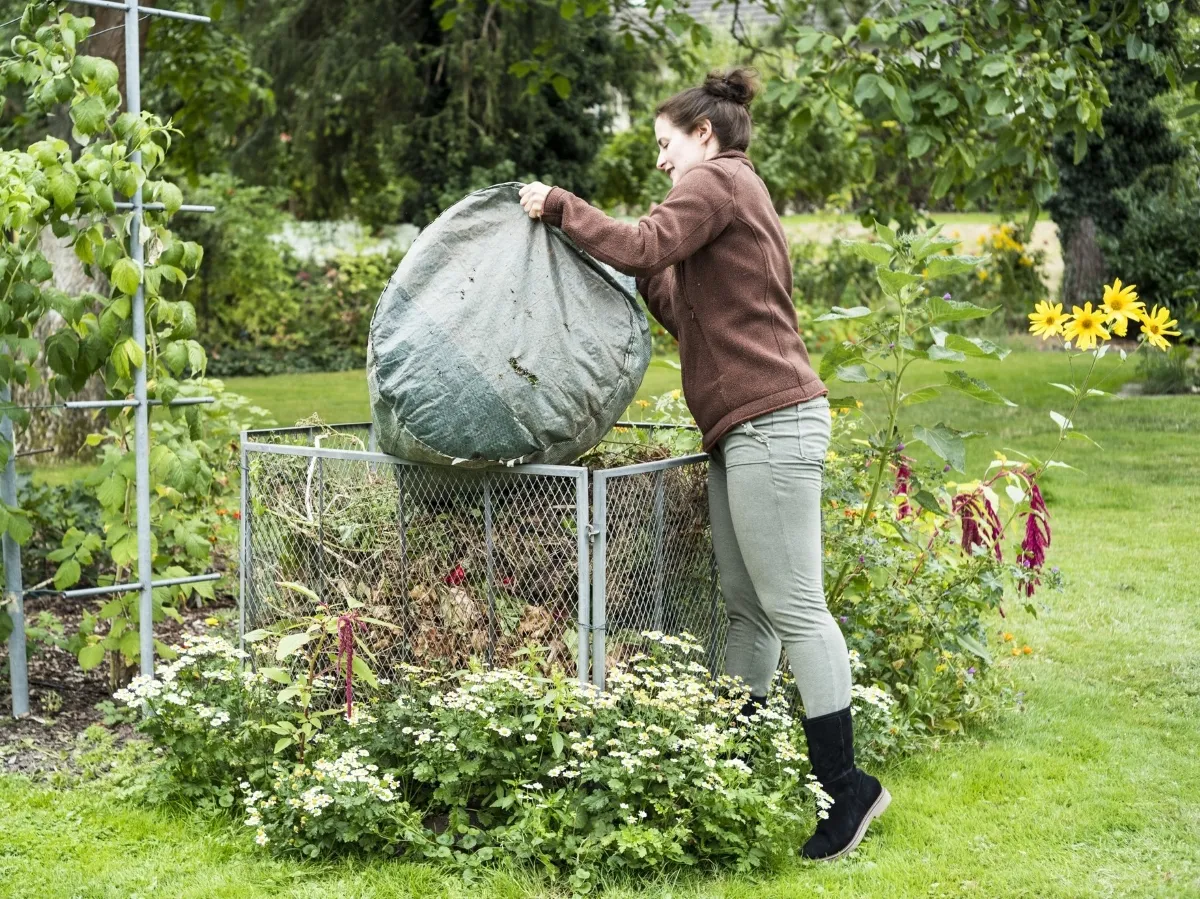
Composting dead plant matter kills insects, disease spores, and weed seeds. It turns organic waste into a nutrient-rich soil amendment.
Peggy Riccio, horticulturist at Pegplant.com, says removing plant material helps prevent pathogen buildup. She adds that fallen leaves can help suppress weeds and feed soil microbes.
Loosen Soil Only When Needed
Tilling is often recommended, but it’s best used only for new garden beds or areas with heavy foot traffic.
For established beds, tilling can bring up dormant weed seeds, causing them to germinate in spring. It can also degrade soil structure in clay or sandy soils with low organic matter.
Riccio recommends rototilling only to a depth of 8 to 10 inches for new beds. This allows room for future root growth. Adding compost before winter helps the soil recover.
Aerate Established Soil
Loosening the top few inches of soil before planting cover crops can improve air and organic matter flow.
After removing debris, spread compost on the surface. Use a broadfork or shovel to gently pierce the soil. This allows microbes and air to penetrate.
Follow with a cover crop, cool-season vegetable, or organic mulch to maintain soil structure.
Plant Cool-Weather Vegetables
Plants like lettuce and spinach can grow in fall and early winter in mild climates.
These crops help prevent erosion and improve soil structure. They also add organic matter as they grow.
Riccio suggests using row covers to protect these plants from cold.
Plant Cover Crops
Winter cover crops such as winter rye, hairy vetch, and winter peas help prevent erosion and nutrient loss.
These legumes fix nitrogen in the soil and scavenge nutrients. They grow without producing food, focusing on soil health.
Riccio advises checking with a local extension agent to find the best cover crops for the region.
Recycle Fallen Leaves
Use a lawn mower to mulch or bag fallen leaves. Spread them in a 3-inch layer on garden beds.
Leaves add trace minerals and feed earthworms. A thin layer under trees can rejuvenate soil beneath.
For larger piles, stack leaves up to 2 feet deep and cover with permeable fabric to prevent wind and water damage. They will decompose slowly and enrich the soil by spring.
Add Organic Amendments
Organic materials like kelp meal, blood meal, and bone meal feed soil microbes.
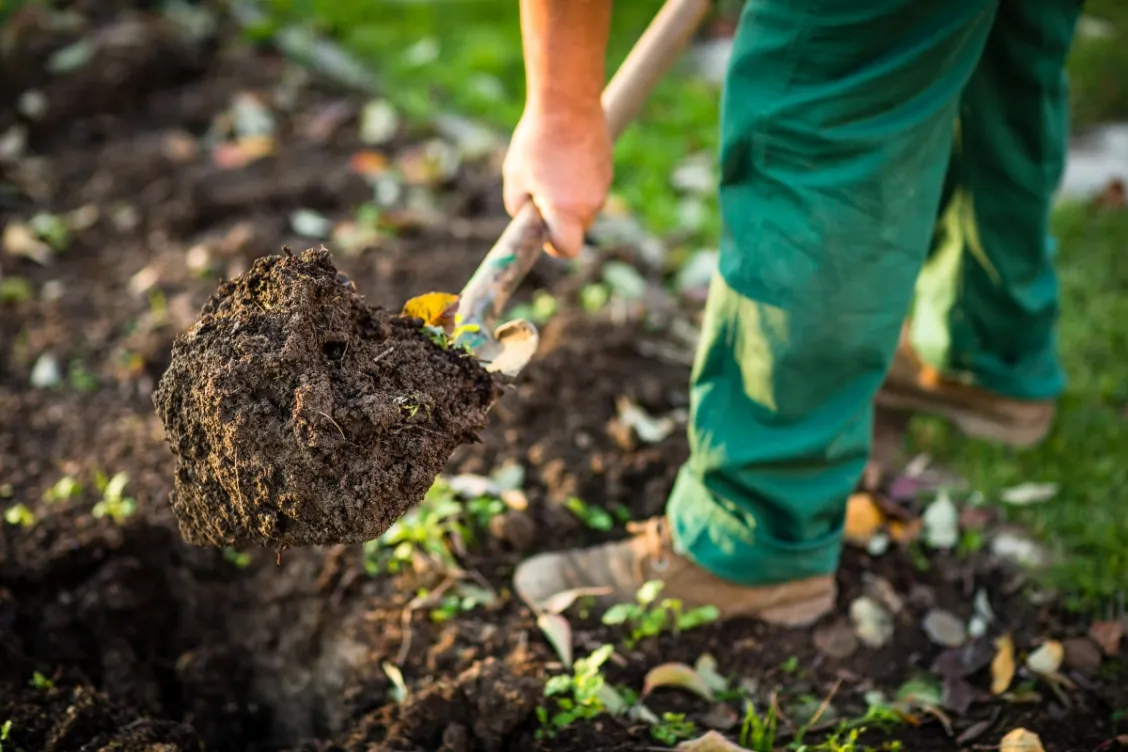
These nutrients are released slowly over months. This supports soil health during winter and into spring.
Overuse of blood meal can lead to ammonia toxicity. Apply it in fall to avoid this risk.
Use Aged Manure
Fresh manure should not be applied in late fall. It needs at least six months to age and leach ammonia.
Apply aged manure when soil temperature drops to 50°F. Work it into the soil immediately to avoid surface buildup.
Mulch Around Perennial Plants
After removing plant tops, pull weeds and apply compost to perennial beds.
Apply a layer of organic mulch around plants like asparagus, rhubarb, and sunchokes. This helps retain soil temperature.
For tender shrubs, apply mulch after the first hard frost. Wood chips work well. This reduces freezing and thawing cycles that damage roots.
Cycle Homemade Compost
Use old compost to replenish soil nutrients. Spread it on the surface or mix it in.
This increases microbial activity and supports healthy growth of winter crops and cover crops.
Let Cool-Weather Weeds Grow
Some weeds like chickweed and henbit are beneficial in fall and winter.
They hold soil in place and absorb nutrients. Remove their tops in late winter and add them to compost.
They don’t typically damage crops and offer a natural soil-stabilizing function.
Plan and Map for Next Season
Take notes on plant locations and performance before winter.
Did a plant grow poorly in afternoon sun? Note that for next season. Consider adding shade.
Rotate crops to balance nutrient use. For example, switch tomatoes and green beans to different beds.
Document problems to avoid repeating them.
Test Soil Health
Test soil for pH and nutrient levels to understand its current state.
Check with neighbors or local gardening groups for regional soil patterns.
For detailed analysis, use a home test kit like the MySoil Test Kit. Results help guide soil amendments.
See how to prepare for frost for related tasks.
Build a Hugelkultur Raised Bed
Hugelkultur is a permaculture method using layered organic materials to build soil.
Layer logs and plant debris from largest to smallest. Place the base in a mound or trench.
As it decomposes over winter, it releases nutrients and improves soil structure. This method reduces soil purchase costs and supports sustainability.
Cover Empty Beds
Heap compost or organic mulch on empty beds. Cover with an old blanket or permeable fabric.
This prevents erosion and compaction. It allows some moisture in but blocks heavy snowfall.
In spring, remove the cover and let the compost breathe for a week before mixing into soil.
Adjust Soil pH
Most plants grow best at a neutral pH of 6 to 7.
If soil is too acidic, add lime. If too alkaline, add sulfur.
For blueberries, which need pH 4.5 to 5.2, apply sulfur in fall. The change takes months to work. Blueberries must be planted the next year.
To change hydrangea color, apply aluminum sulfate in fall. Reapply in spring after the soil has had time to react.
Leave Healthy Roots in Place
Some annual plant roots can remain in the soil.
Microbes will digest these roots and convert them into humus. This supports soil health.
Only leave roots from healthy plants. Remove diseased plants completely.
Apply Dormant Sprays to Fruit Trees
Fruit trees remain active during winter. Dormant sprays protect them from insects and diseases.
Use horticultural oil to smother insect eggs. Sulfur controls fungal growth in damp conditions. Copper spray helps prevent diseases like peach leaf curl.
Timing and product use vary by fruit type. Consult product labels or a tree service professional.
Start a Lasagna Garden Bed
Lasagna gardening, or sheet mulching, builds beds with layered organic materials.
Start with a bottom layer of cardboard. Wet it to help decomposition.
Add layers of green and brown organic matter—leaves, straw, kitchen scraps.
Let it break down over months. This method removes cardboard and adds organic matter to soil.
Peggy Riccio says it’s ideal for small spaces and easy to use in fall.
Decomposing cardboard feeds microbes and earthworms, improving soil life.
Limitations and Considerations
Some practices require local knowledge. For example, cover crop choices depend on regional climate and soil.
Soil testing and pH adjustments take time. Results are not immediate and require patience.
Not all practices work in every climate. For instance, cool-weather crops may not grow in colder regions.
Compost and manure require proper aging. Fresh materials can harm plants if applied too early.
Some methods, like tilling, may not be suitable for all soil types or garden setups.
Why These Practices Matter
Soil is the foundation of garden health. Without proper care, it can degrade over time.
These fall practices help rebuild soil structure, retain nutrients, and prepare for spring planting.
They support long-term garden productivity and sustainability.
By following these steps, gardeners can protect their soil through winter and ensure better results in the coming season.
Sources & further reading
Featured image: Photo: istockphoto.com. Via original publisher. Image source