
Paul Cézanne’s Arlequin sold at Sotheby’s New York for $111 million with fees, making it one of the most expensive paintings by the French Impressionist. Source: artnews.com.
What Happened
On Wednesday night, Sotheby’s held a dedicated evening sale for the Blaquier-Arrieta collection. The auction featured a number of works from the 19th century, including a painting by Paul Cézanne.
It depicts a young man in a red-and-black diamond-patterned costume, wearing a mask and holding a staff. The work is stylistically distinct from Cézanne’s more famous mountain and apple studies.
The painting opened at $99 million. It eventually sold for $111 million, including buyer’s premium. The sale did not surpass the previous auction record for Cézanne.
Key Facts
- Sale venue: Sotheby’s New York
- Final price: $111 million with fees
- Collection: Blaquier-Arrieta collection
The sale was part of a broader effort by Sotheby’s to highlight key works from private collections. The Blaquier-Arrieta collection has been known for its focus on 19th-century European art.
Background: How the Sale Worked
Sotheby’s has long hosted high-profile auctions of Impressionist and Post-Impressionist works. The Arlequin sale was part of a dedicated evening event, designed to spotlight a group of masterworks.
Such sales are typically conducted with a hammer price, followed by a buyer’s premium. The final price includes both the hammer price and the premium, which is standard in art auctions.
Before the sale, Sotheby’s had announced the auction’s lineup in advance. The Arlequin was one of several works expected to draw interest from collectors and institutions.
Why It Matters
While the painting did not break Cézanne’s auction record, its sale still drew significant attention in the art world.
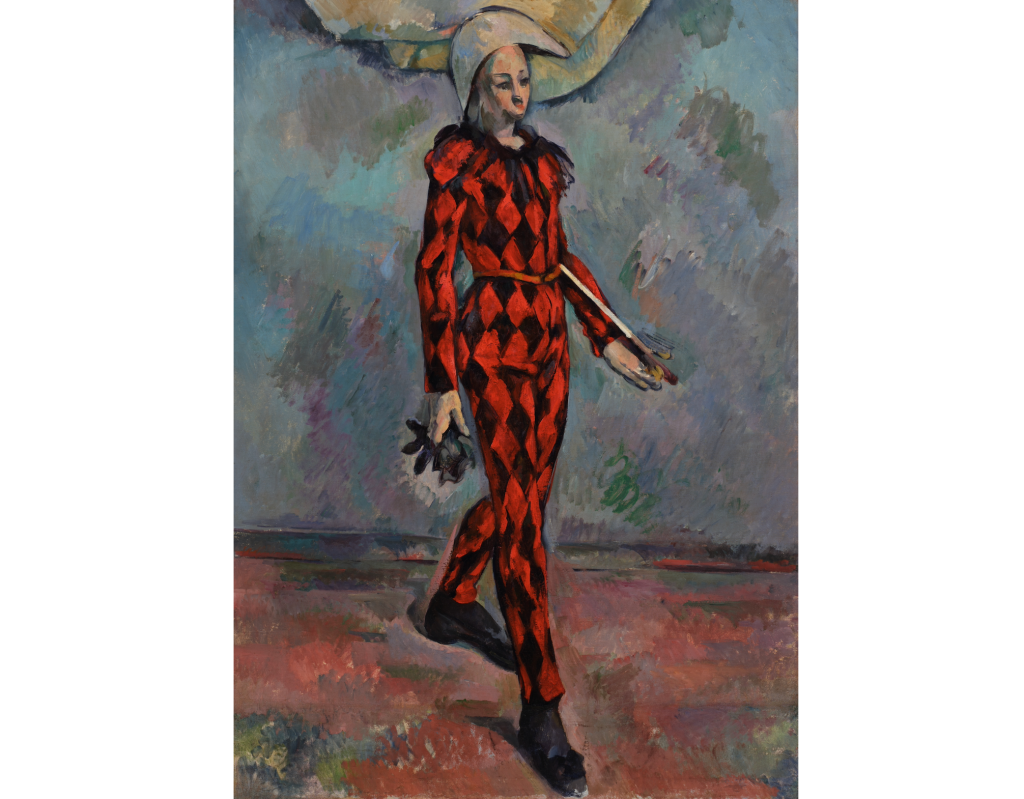
It reflects the continued demand for Cézanne’s work, even among pieces that are less known than his mountain or apple paintings. The sale also underscores the value placed on stylistic variety in a single artist’s body of work.
Art market analysts note that Cézanne’s later works—particularly those from the 1880s and 1890s—have seen increased interest in recent years. This includes pieces that show a more dynamic use of form and color.
Limitations and Open Questions
The sale did not surpass the previous record, which means Cézanne’s auction record remains unchanged.
There is no public information about the buyer. The identity of the purchaser has not been disclosed, which is common in high-value art sales.
While the painting is recognized as a significant work, it is not one of Cézanne’s most celebrated or widely studied pieces. Its value is based on provenance and market demand, not critical acclaim.
Experts have not yet issued a formal evaluation of the painting’s artistic significance. The sale may reflect market trends rather than a shift in critical appreciation.
What to Watch Next
Art collectors and institutions will likely keep an eye on future Cézanne sales. The next major auction of the artist may include other works from the same period or similar stylistic themes.
Sotheby’s has also announced upcoming events that will feature more works from the Blaquier-Arrieta collection. These could include additional Cézanne pieces or other Impressionist works.
For more on Cézanne’s legacy and auction history, see a previous sale at Christie’s. For a broader look at iconic Impressionist works, visit Sotheby’s article on Impressionist masterpieces.
Sources & further reading
Featured image: A painting of a harlequin.. Via original publisher. Image source
