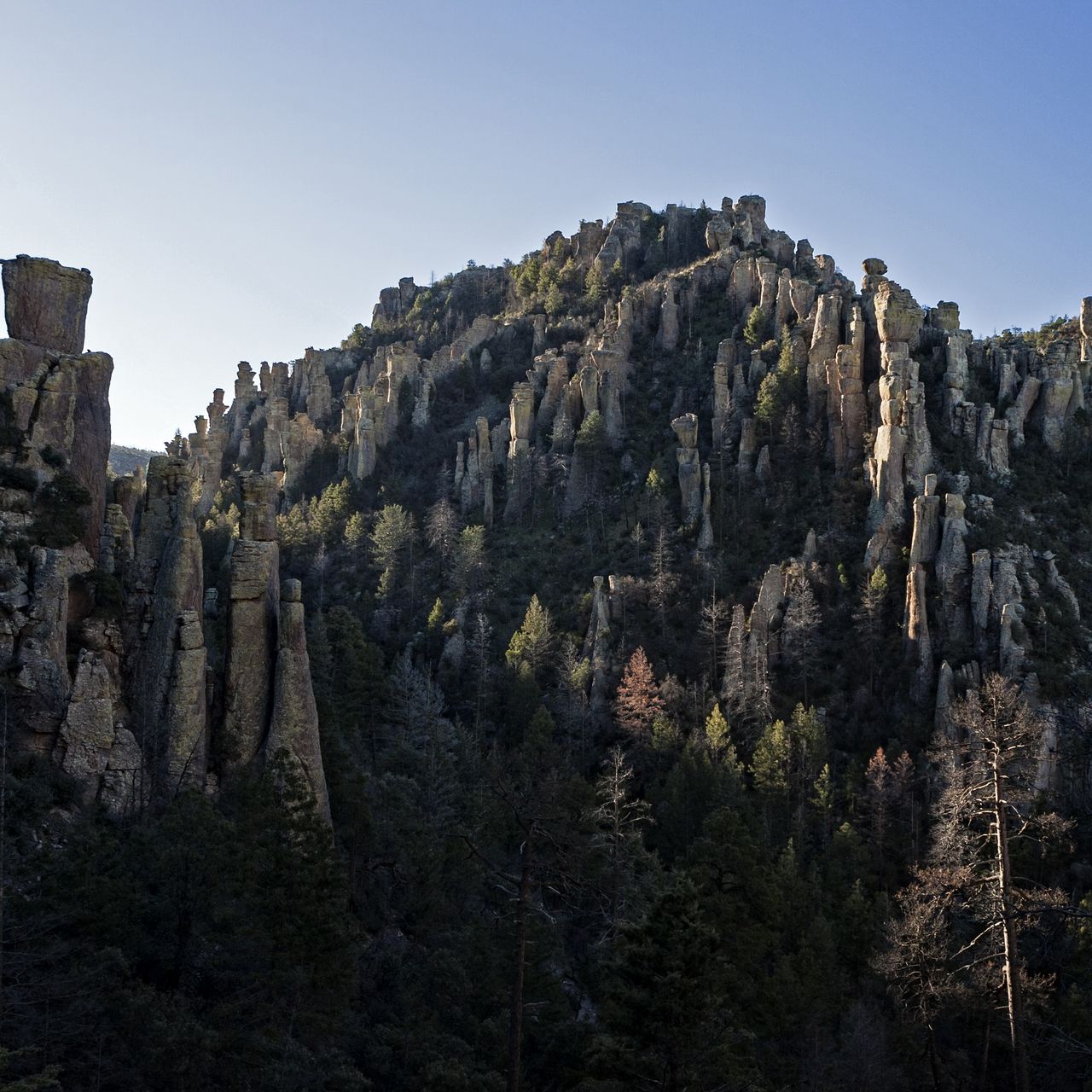
Chiricahua National Park is now America’s 64th national park. Located in southeastern Arizona, it was previously a national monument since 1924. This redesignation marks the first new national park in six years, following West Virginia’s New River Gorge National Park and Preserve in 2020.
What Happened
The U.S. Department of the Interior officially renamed Chiricahua National Monument as Chiricahua National Park this week. The move brings the total number of national parks to 64. This recognition highlights a growing effort to protect diverse natural and cultural landscapes across the United States.
The park covers about 12,000 acres and lies in the Chiricahua Mountains. These mountains are part of a group of ‘sky islands’—mountain ranges that rise sharply from surrounding deserts. Chiricahua sits at the intersection of four major ecosystems: the Rocky Mountains, the Sierra Madre, the Sonoran Desert, and the Chihuahuan Desert.
Key Facts
- The park spans 12,000 acres in the Chiricahua Mountains.
- It is part of a network of sky islands that rise from desert regions.
- It connects four major ecosystems: Rocky Mountains, Sierra Madre, Sonoran Desert, and Chihuahuan Desert.
- Visitors can hike 17 miles of trails, take scenic drives, go stargazing, ride horses, or camp.
- In 2025, it welcomed 70,406 visitors, ranking 254th out of 399 National Park Service sites.
Geological History
About 27 million years ago, a massive volcanic eruption covered the region with ash and debris. Over millions of years, that material hardened into rhyolitic tuff—a rock layer visible throughout the park.
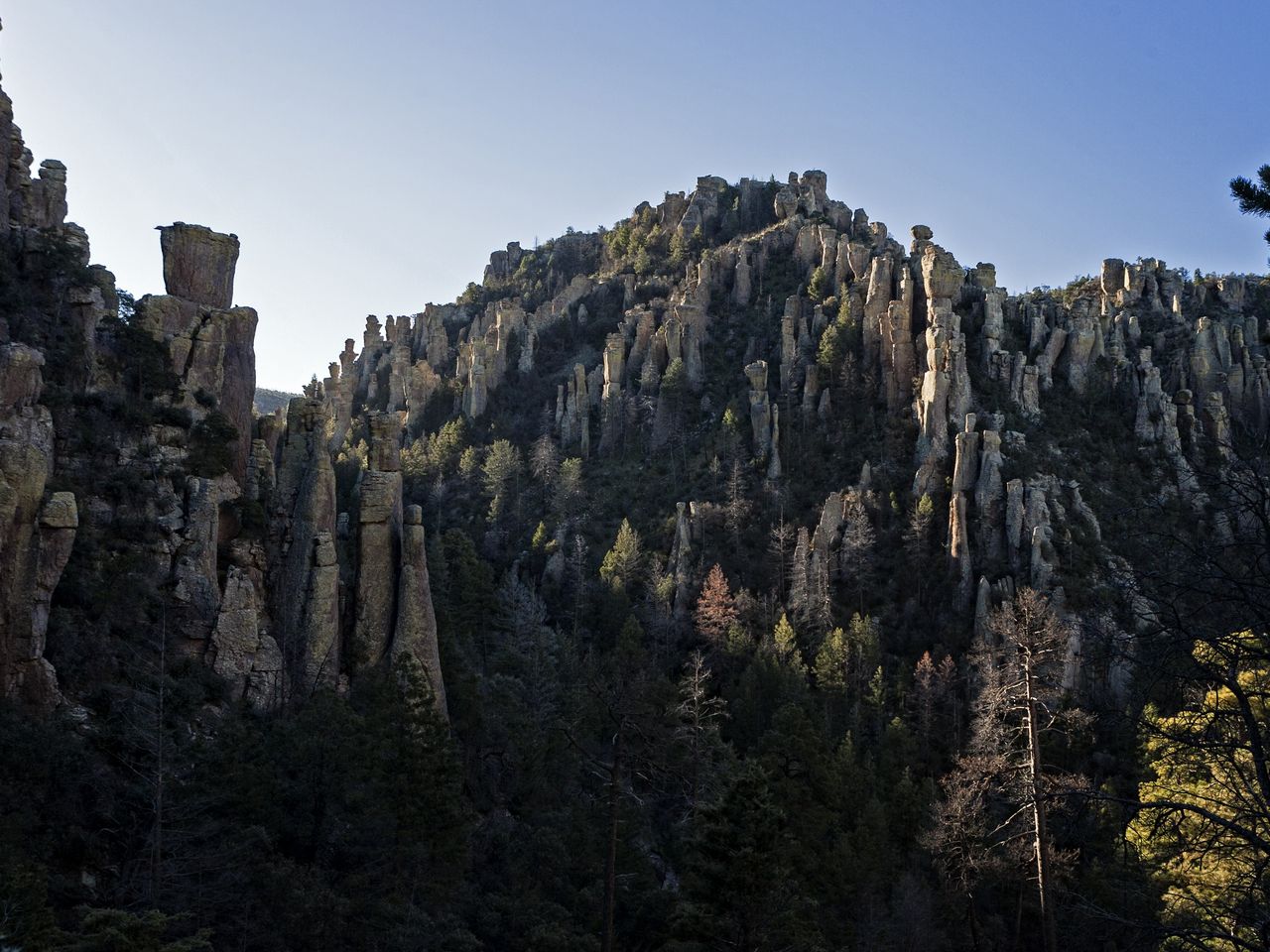
Wind, rain, freezing temperatures, and natural forces have slowly worn away the rock over time. This erosion created dramatic formations: towering stone spires, balanced boulders, narrow canyons, and intricate rock arches.
Emily Burns of the Sky Island Alliance says the park has ‘spectacular vistas’ and rock formations that are hard to understand in terms of their geologic history.
Human History
People have lived in the Chiricahua region for at least 12,000 years. Early inhabitants, called paleoindians, hunted large animals like bison and deer.
Later, hunter-gatherer groups settled seasonally, using plants and animals for food, tools, and shelter. Some communities later adopted agriculture, growing crops like corn, beans, and squash—plants still central to Indigenous foodways in the Southwest.
The Chiricahua Apache lived across present-day southeastern Arizona, southwestern New Mexico, and northern Mexico. Their history includes deep cultural traditions and resistance to forced removal. By the late 1800s, the Apache were removed from their ancestral lands.
The area also hosted Buffalo Soldiers, homesteaders, immigrants, and Civilian Conservation Corps workers who helped build infrastructure and support conservation efforts.
Why It Matters
Chiricahua offers a landscape unchanged for millennia. Matthew Nelson of the Arizona Trail Association says being in the park helps people slow down and listen to nature. It’s a break from modern life and technology.
Secretary of the Interior Doug Burgum called Chiricahua ‘one of America’s most extraordinary landscapes.’ He said the redesignation will bring more visitors, boost local economies, and share the park with more Americans.
Limitations and Open Questions
Chiricahua remains a small destination in terms of visitor numbers. It ranked 254th among all National Park Service sites in 2025. Its location—about 120 miles from Tucson—may limit access for some travelers.
There are no plans for infrastructure upgrades or increased visitor capacity. As climate change affects ecosystems, long-term impacts on species like mountain lions and bats remain uncertain. Ongoing monitoring is needed to protect the park’s ecological balance.
What to Watch Next
Visitor numbers may grow as the park gains national attention. Business owners, outdoor groups, and conservationists hope tourism will rise. Long-term biodiversity monitoring will be key to preserving both ecological and cultural values.
The name Chiricahua is thought to come from an Opata word meaning wild turkey. The park blends ancient geology with deep human history, offering a rare view of Earth’s processes and cultural resilience.
For more details, see the original source at Smithsonian Magazine.
Sources & further reading
Featured image: original publisher image. Via original publisher. Image source