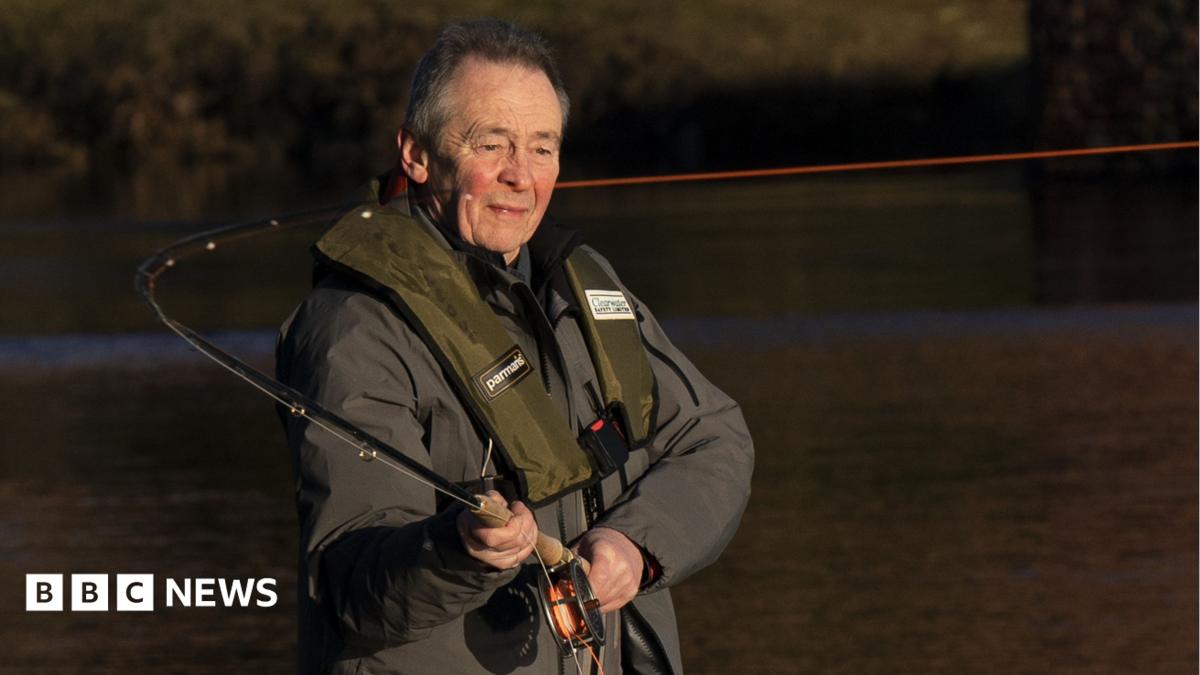
Comedian Paul Whitehouse has called on the UK government to act to protect the Arctic charr, a fish species in England’s Windermere lake for over 10,000 years since the last Ice Age. Source: bbc.co.uk.
Arctic Charr at Risk in Windermere
Arctic charr in Windermere are genetically unique compared to charr in other lakes. They exist in four separate spawning groups. Each group spawns at different times and places. The groups do not interbreed, showing long-term isolation and distinct ecological traits.
Research by the Freshwater Biological Association (FBA) shows spawning habitats have worsened since 2017. Silt and algal sludge levels have risen sharply. Invasive species like ruffe, roach, and bream have also increased in the lake.
Key Threats to the Species
- Spawning grounds are covered in algal sludge from sewage pollution.
- Warming waters from climate change are changing lake chemistry and fish behaviour.
- Introduced fish compete with Arctic charr for food and space, reducing survival chances.
Dr Louise Lavictoire, FBA’s head of science, said the research shows a clear risk of losing Arctic charr from Windermere. She stressed the species faces multiple threats and that urgent action is needed.
The research was funded by Natural England, the Environment Agency, and the Lake District National Park Authority. This shows shared concern among major environmental groups.
Government Response
The Department for Environment, Food and Rural Affairs (Defra) says it supports public efforts to protect Windermere’s ecosystems.
Defra has already added 33 Environment Agency specialists to the region. These staff increase monitoring and enforcement of water quality rules. The department also gives local communities a stronger voice in lake management decisions.
Defra’s upcoming Water Bill will bring stronger rules, better enforcement, and greater accountability. The goal is for water companies to meet environmental standards.
Public Campaign and Visual Advocacy
Paul Whitehouse, known for the BBC show Mortimer & Whitehouse: Gone Fishing, is supporting campaigner Matt Staniek in a public awareness effort.
The campaign uses an ice sculpture of a person outside No 10 North in Manchester. It aims to draw attention to the fish’s decline and push political action.
The Only Rainwater In Windermere coalition backs the campaign. It includes United Utilities, the Environment Agency, the Lake District National Park Authority, the Love Windermere group, Save Windermere, and Westmorland and Furness Council.
The coalition proposes a £3.7bn plan. It includes a tunnel to carry sewage away from Windermere and into a new water treatment facility.
Why This Matters
Natural England calls Arctic charr ‘remarkable fish’ and a ‘living link to the end of the last Ice Age.’ This shows their deep ecological value as a species that has survived millennia.
Tim Duckmanton, strategy lead at the LDNPA, said data now reveals key threats to the species. This growing understanding reflects a wider view among experts that the decline is part of broader freshwater ecosystem challenges.
Experts warn the species could vanish from Windermere if trends continue. This highlights the need for coordinated action across government, industry, and communities to fight pollution, climate change, and invasive species.
Limitations and Open Questions
While habitat decline is clear, the full impact of climate change on spawning patterns is still being studied. Scientists have not yet set a timeline for extinction. But data shows a critical window for action.
Public awareness has grown thanks to the campaign. Yet lasting changes in community and industry behaviour remain difficult to achieve. The success of the plan depends on funding, infrastructure, and sustained public and political support.
Defra and local groups support action. But key steps—like the new treatment facility and expanded enforcement—need clear timelines and consistent oversight.
Whitehouse and environmental advocates are urging the Prime Minister to act before the Arctic charr vanish from Windermere.
For more on the Arctic charr and environmental science, see the original BBC report.
Sources & further reading
Featured image: Paul Whitehouse fishing. He has short, dark hair that is greying at the sides and he is wearing a dark waterproof jacket. He is holding a fishing rod, with its line stretching off into the water.. Via original publisher. Image source