A viral TikTok meme has sparked a political controversy in the UK. The phrase ‘chicken nuggets’ is being claimed as a derogatory term for white girls, though evidence for this is extremely limited.
What Happened
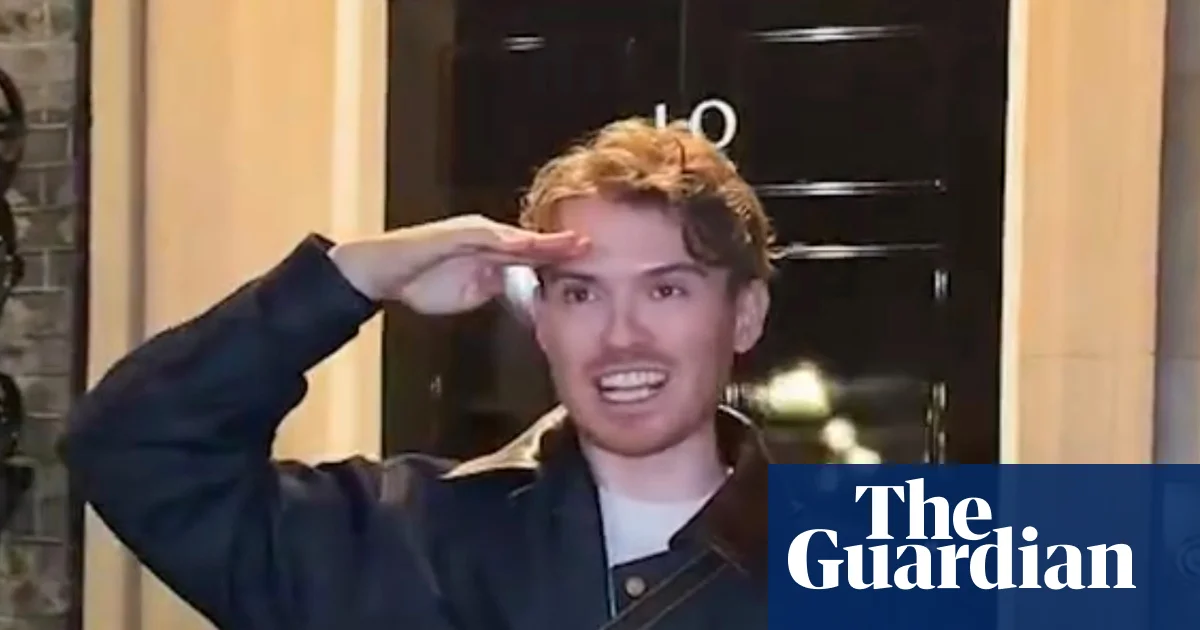
Max Balegde, a TikTok influencer with 3.7 million followers, lip-synced to a five-second audio clip outside 10 Downing Street. At the time, the act was likely seen as playful and harmless by the influencer and his audience.
Two weeks later, Labour leader Andy Burnham faced parliamentary scrutiny. Conservative Party leader Kemi Badenoch challenged him, calling the meme ‘vile’. Media coverage followed for two days, highlighting a growing gap between political institutions and digital youth culture.
The phrase in question — ’52 bomboclaat pussywagon chicken nuggets’ — originated as a nonsensical audio clip. It has been used in over 100,000 TikTok videos as a humorous sound effect. The original source is a YouTube video by a young user, who riffed on a ‘protein goals’ meme by stacking 52 literal chicken nuggets. The video is playful and satirical, with no real-world slurs or commentary.
Key Claims and Interpretations
Kemi Badenoch said ‘chicken nuggets’ means ‘white women as cheap meat’. Justin Webb on BBC Today described it as ‘cheap white meat, in other words, poor white girls’. The Spectator called it ‘a derogatory code for white girls’.
Michael Gove, a street argot expert, defined ‘bomboclaat’ as a Jamaican patois term for a feminine hygiene product. It is common in urban dialects, especially among Black communities. However, he noted the meme uses the term in a highly decontextualised way, not reflecting real social usage.
But There’s Little Evidence
There is minimal evidence that ‘chicken nuggets’ has ever been used as a slur. The only online reference dates back to 2010 and appears to be an isolated case. No academic studies, public records, or community reports support the claim that it is a widely used or understood term.
Dr Jaspal Singh, an Open University lecturer, explains that ‘bomboclaat’ is used in Jamaican and British urban dialects as a crude intensifier — like ‘fuck’. He says its literal meaning as a sanitary product is irrelevant in the meme’s context. In digital culture, the phrase is used ironically, not as a coded reference to gender or race.
Why This Matters
The incident shows a growing divide between digital-native language and formal political discourse. Many politicians and journalists have not verified the meme’s meaning. They rely on second-hand reports or assumptions, reflecting a broader issue of cultural illiteracy.
Dr Scott Wark, a lecturer at Goldsmiths, describes the meme as part of a trend called ‘brain rot’. This involves combining absurd phrases to grab attention in seconds. These memes are intentionally decontextualised and rely on irony. They fade quickly — often within days or weeks.
Dr Tony Thorne, director of the Slang and New Language Archive at King’s College London, says the issue isn’t just about definitions. It reflects a deeper cultural clash. Terms like ‘bad faith’ — which describe misleading statements — are rarely used by younger generations. This gap makes meaningful discussions about online language difficult.
Open Questions and Limitations
There is no clear consensus on whether the phrase is offensive. Its meaning is shaped by online culture, not real-world usage. Some see it as a real slur; others see it as a satirical, absurd construct.
Political figures have not researched the phrase’s origins. Their interpretations come from media reports, not direct analysis. There is no evidence the phrase was used in any public or official setting to refer to women. The claim it is a code for white girls lacks empirical support.
The incident may point to a wider issue: political leaders’ lack of cultural literacy when engaging with digital youth culture. As social media shapes public discourse, leaders need better understanding of how online language evolves.
What to Watch Next
Political debates over online language may continue. The UK government might face pressure to set clearer guidelines for public figures responding to viral content. More research into urban slang and meme culture could help bridge the gap between digital communities and political institutions.
For more on how social media trends evolve into public discourse, see How Social Media Changed U.S.
Explore how TikTok trends can become real-world ventures with From Meme to Business: How TikTok Trends Turn into Real Money.
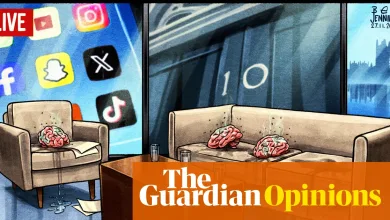
For a visual take on the incident, see Ben Jennings Cartoon on Andy Burnham and Social Media Influencers.
For broader concerns about social media’s impact on society, see Social Media Making It Harder for UK Parents to Raise Families, Survey Finds.
For a similar case involving social media and public safety, see Social Media Not Liable in Buffalo Mass Shooting Case.
For the original report, visit The Guardian.
Sources & further reading
Featured image: original publisher image. Via original publisher. Image source