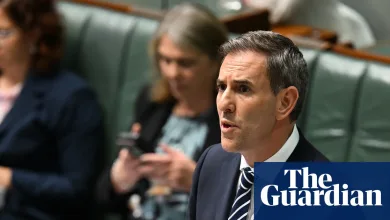
Cost of living pressures remain intense in Australia, with inflation rising to nearly 5%. The latest consumer price report confirms what households have long felt: financial strain is growing, and it is becoming harder to keep up with rising prices. Source: theguardian.com.
What the Data Shows
Inflation reached 4.9% in October, according to official figures released on Wednesday. This marks a significant increase from earlier levels and underscores ongoing cost of living challenges.
Experts agree that this level of inflation is likely a peak. The chief economist at Westpac, Luci Ellis, believes inflation has peaked and will gradually decline to below 3% by next year.
While inflation is still high, the expectation is that it will begin to ease. This shift is seen as a positive development, even if prices remain elevated.
Why Inflation Is Peaking
One key factor is the temporary spike in electricity prices. These artificially high bills are expected to be washed out of the inflation calculation over time, helping to lower the headline figure.
Additionally, the Reserve Bank of Australia has raised interest rates five times this year. These hikes have helped reduce economic capacity pressures that have persisted for 18 months.
However, the economic impact is not limited to inflation. The economy is expected to grow at a rate well below 2% over the next two years, according to Treasurer Jim Chalmers.
Unemployment on the Rise
Unemployment has already reached a five-year high of 4.9%. Analysts predict it will rise further through 2027, potentially reaching the mid-5s.
This shift suggests a pivot in economic concern—from worrying about inflation to fretting about job losses.
What Comes Next?
Both Luci Ellis and another economist have indicated a possible interest rate cut at the RBA’s August meeting. This would mark a shift from tightening to easing monetary policy.
Such a move would help mortgage holders, as falling interest rates reduce monthly payments. It would also improve the real value of wages, making them feel more aligned with rising prices.
Still, this outlook assumes no major economic shocks—like global events or policy shifts—could disrupt the trajectory.
For now, inflation is seen as having reached its peak. Prices will still rise, but at a slower pace. That may offer some relief to households, even if the broader economic picture remains challenging.
As the holiday season approaches, families face mounting financial pressures. The situation highlights the need for sustained policy attention and household resilience.
Sources & further reading
Featured image: original publisher image. Via original publisher. Image source