Since October 14, Lisbon and Porto have hosted daily protests over housing, drawing thousands. The demonstrations have grown in scale and diversity, uniting professionals, students, and families across social backgrounds. These gatherings are not merely about rent or property prices—they reflect a deepening crisis in the fabric of daily life in Portugal, where access to safe, affordable, and stable housing has become a matter of survival for many. Source: theguardian.com.
What’s Happening in Portugal’s Housing Crisis
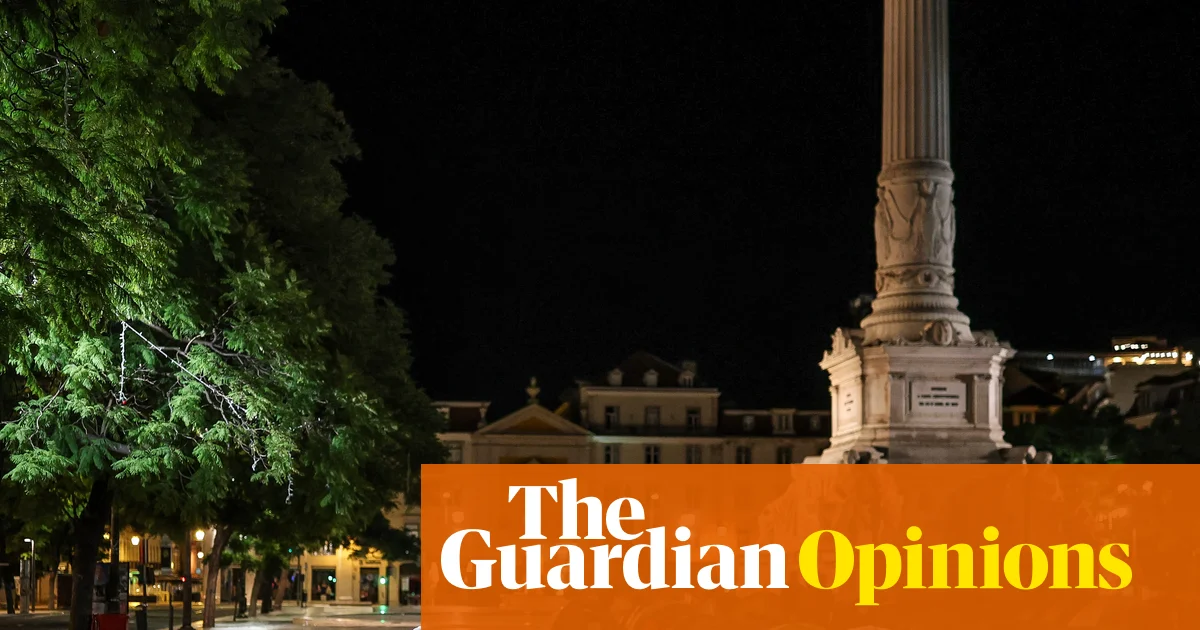
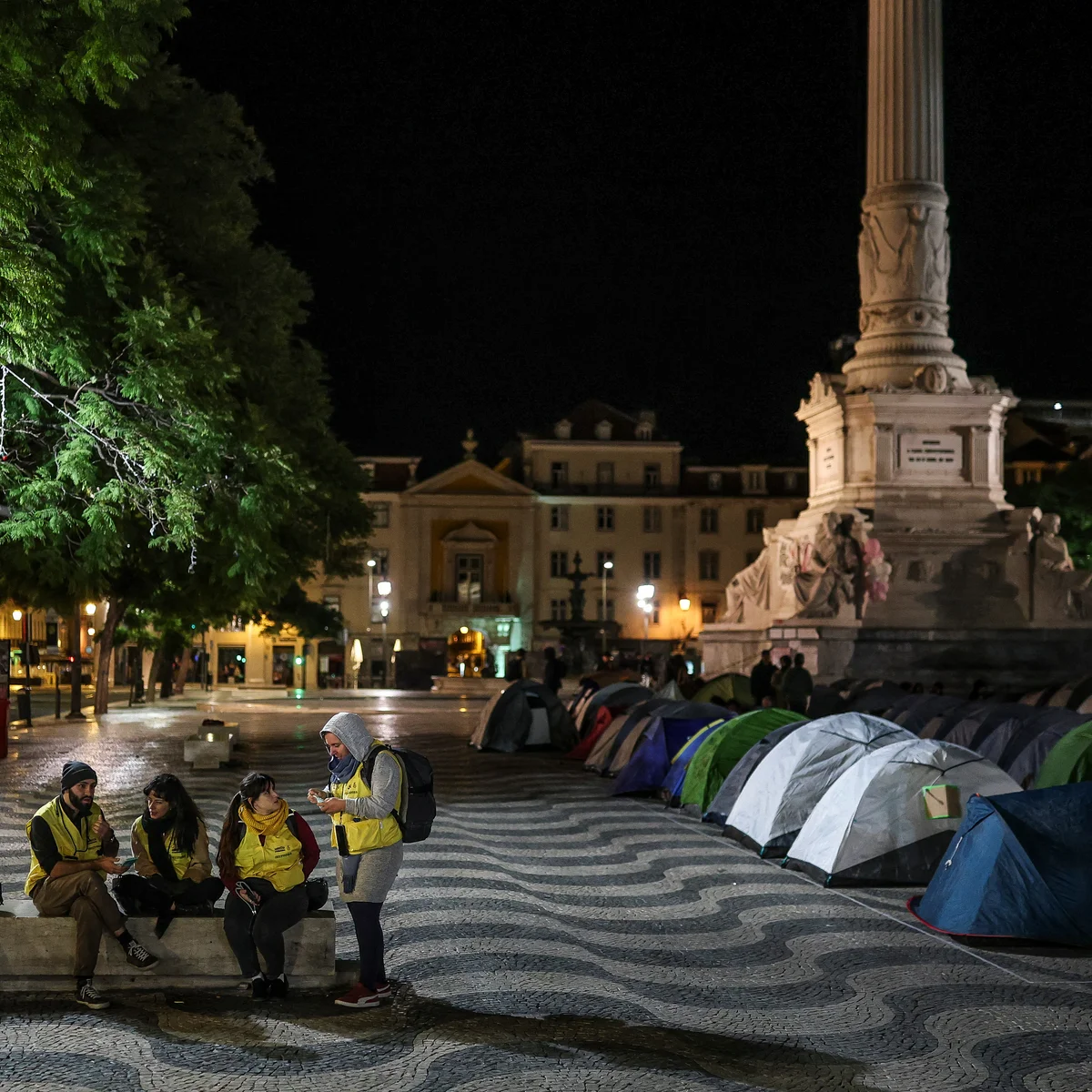
Portugal’s housing protests have intensified over the past month. They began in response to soaring property prices and stagnant wages. The crisis has now become a public flashpoint, with people camping on the streets and organizing mass actions. In Lisbon, encampments have been established near Rossio Square and the Tagus River, while in Porto, protests have taken place in the city center and near the university district.
At the protest sites, people gather for meals, education sessions, and performances. A ‘people’s university’ offers workshops on housing rights, tenant protections, and urban planning. These sessions are led by activists, academics, and former public officials who have studied the structural flaws in Portugal’s housing system. Singalongs and pop performances by Mayra Andrade and Ana Moura have become part of the cultural fabric of the encampments, offering both morale and a sense of community.
One protester described living with their parents into their thirties, citing financial strain and the lack of affordable housing options. Another shared how a separated couple now sleeps under the same roof due to rent costs. Families face difficult choices: stay in cramped city apartments or relocate far from jobs, schools, and social networks. In some cases, children have had to attend school in different cities than their parents, disrupting education and family cohesion.
These are not isolated stories. Many are forced to share rooms with multiple households or live in temporary accommodations such as storage units or converted garages. The psychological toll is significant, with increasing reports of anxiety, depression, and social isolation among affected individuals.
Government and Police Responses
Prime Minister Luís Montenegro has dismissed the protests as ‘selfish’ and claimed they are a ‘foreign import’. When asked about the protests during a press conference, he stated that such actions were not reflective of Portuguese values and that they originated abroad. He owns at least six properties across Portugal, including land holdings. This has raised serious questions about the consistency of his public statements and private actions. Critics argue that his ownership interests create a conflict of interest, especially given the government’s current policy direction toward empowering landlords.
Lisbon’s mayor, Carlos Moedas, criticized the protests for disrupting a planned German-style Christmas market. He cited a €138,000 cost for cleaning graffiti on Rossio Square — a figure that has drawn skepticism. Independent audits suggest that the actual cost of cleaning public spaces is far lower, and the figure may have been inflated to discredit the protests. The use of such numbers as a political tool reflects a broader strategy of framing housing activism as a threat to public order and economic stability.
Police actions have drawn widespread criticism. Videos show officers attacking protesters while they sleep, using rubber bullets and batons. More than 160 people have been injured, including those struck in the face and head. Over 99 have been arrested in Lisbon and Porto. The injuries have led to hospitalizations, and some protesters have required long-term medical care. Videos of police actions have been shared widely on social media, sparking international attention and condemnation.
The letter cites violations of international human rights standards, including the right to peaceful assembly and protection from arbitrary physical force. Amnesty International has issued a statement accusing police of 'beatings and excessive force' that resulted in physical harm and hospitalizations. The organization has called for a full investigation and accountability.
On 1 November, police proposed fining motorists €60 for tooting horns in support of protesters. The measure was quickly withdrawn after public backlash, but it illustrates the government’s willingness to use symbolic and punitive measures to suppress public dissent. Such actions, even if temporary, send a message that protest is not welcome in Portugal’s public spaces.
Roots of the Crisis
The crisis is not new. Since 2015, house prices have risen by 169% nationwide. In Porto, the increase is 180%. In Lisbon, it is 186%. Wage growth has not kept pace, creating a growing gap between income and housing costs. This disparity is particularly acute in urban centers, where demand for housing has surged due to migration, tourism, and economic development.
After the 2011 financial crisis, Portugal received a bailout from the Troika — the European Commission, ECB, and IMF. The conditions limited public spending and borrowing. This led to a shift toward private investment in urban development. The government reduced its role in housing construction and infrastructure, allowing private developers to dominate the market.
Rental laws were relaxed during this period, giving landlords greater power. This has fueled a profit-driven rental market. Land and property have become targets of speculation.
Portugal’s tourism boom has also contributed. Short-term lets on platforms like Airbnb have driven up rents in neighborhoods across Lisbon and Porto. In areas like Bairro de Santa Justa and the Alfama district, long-term residents have been displaced due to rising prices. These developments have eroded community stability and created a sense of alienation among local populations.
Comparisons with Neighbouring Countries
Spain, Germany, and the UK have introduced laws to protect renters. These include limits on rent increases, secure tenancy rights, and clearer eviction procedures. Germany has strengthened tenant rights through the 'Housing Act', ensuring that tenants have the right to remain in their homes during periods of financial hardship.

Portugal’s government, however, is introducing new legislation to expand landlords’ powers. This includes greater authority to raise rents, demand larger deposits, and evict tenants more quickly. These measures are being promoted under the guise of ‘market efficiency’ and ‘property investment’, but critics argue they undermine social stability and deepen inequality.
These moves have drawn criticism as the housing crisis deepens. The government has made no public concessions to protesters. Elected officials have also attempted to discredit the movement, framing it as disruptive or politically motivated. This lack of engagement reflects a broader pattern of political inaction and resistance to reform.
Political Context and Public Memory
Montenegro’s Social Democratic Party is facing a challenge from the far-right Chega party. To win support, it has promoted aggressive rhetoric on policing and immigration. During a recent public event, party leaders stated that ‘public order must be protected at all costs’ and that ‘any form of protest that disrupts daily life must be met with firm action’. This has led to a climate of fear and suspicion, where dissent is often labeled as extremist or dangerous.
Protesters have chanted ‘It reeks of dictatorship’ and ‘We are all anti-fascists’. These phrases reflect a deep public memory of Portugal’s 1926–1974 dictatorship. The spirit of resistance that eventually brought that era to an end remains alive in today’s protests. The chants are not just political—they are historical, echoing the struggles of past generations against authoritarian rule and social neglect.
Despite the government’s resistance, the crisis is growing. The number of people affected is expanding beyond low-income groups. Even middle-class professionals now face housing insecurity.
Without radical policy changes, the crisis will continue to deepen. Protesters demand just and dignified solutions — not silence or repression. The housing crisis in Portugal is not just an economic issue; it is a moral and social one. It demands urgent, transparent, and inclusive responses from all levels of government and society.
For more on housing unrest in Europe, see cost of living protests in Europe. For details on France’s housing and fuel protests, visit France protests over fuel prices. In Barcelona, similar tensions emerged during student-led actions — see student protests in France.
Sources & further reading
Featured image: original publisher image. Via original publisher. Image source