Thirty-four U.S. lawmakers have urged the Federal Trade Commission to investigate widespread overcharging at major convenience and dollar stores, including 7-Eleven and Dollar General.
What Lawmakers Are Asking
The letter follows two in-depth investigations by the Guardian that found consistent mismatches between shelf prices and register prices across thousands of store locations.
These findings suggest pricing errors are not isolated to a few stores or regions. Instead, they point to a systemic failure in corporate operations.
The lawmakers say such errors hurt consumer trust. They especially affect low-income families and people in rural or underserved areas.
Many of these communities rely on dollar and convenience stores for basic goods like food, toiletries, and household items. These stores are often their only option for essentials.
Key Findings from Investigations
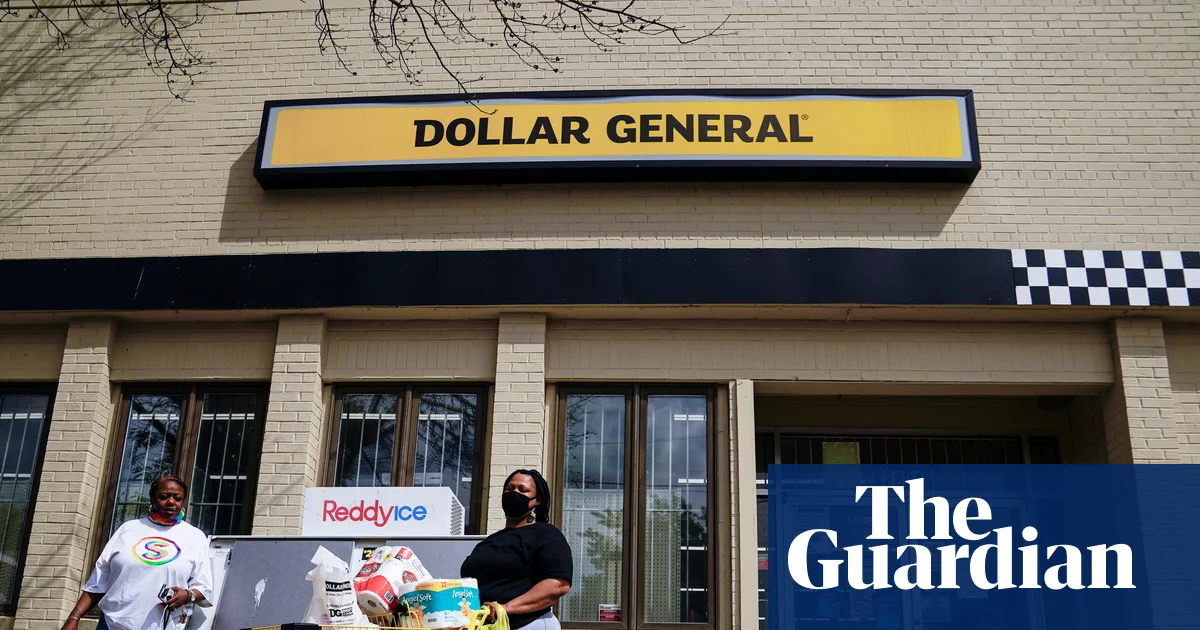
- Dollar General failed more than 4,300 government price-accuracy inspections in 23 states over three years. Violations were found on common items like peanut butter, spaghetti sauce, and Flintstone vitamins.
- Family Dollar failed 2,100 price inspections in 20 states during the same period. This shows a similar pattern of pricing inaccuracy.
- At convenience stores, consumer complaints and state audits found overcharges for snacks, beverages, toiletries, tobacco, and prescription medications.
- Some stores charge more at the gas pump than what is shown on roadside signs. This creates a clear conflict between what customers see and what they pay.
Personal Experiences Highlight the Issue
Representative Shontel Brown of Ohio shared a personal experience at a Dollar General store. She bought soda with coupons, only to find the register total did not match the shelf price.
When she asked the cashier, she was told: ‘The system does that. It does it a lot with the pop.’
Brown said she left without purchasing the item.
She noted: ‘I have the luxury of not counting every single dollar in my budget.’
She added that many of her constituents do not have that flexibility. Such errors can deeply impact their daily choices.
Why This Matters to Voters
As inflation continues, affordability has become a top political concern. A Harris Poll found that gas prices, grocery prices, and living expenses are among the top issues voters cite.
A separate AP-Norc poll shows nearly 80% of voters disapproved of Donald Trump’s handling of the cost of living. This reflects growing frustration over rising prices.
Representative Nikki Budzinski of Illinois, who led the congressional letter, said: ‘Gas prices are at $4.50 a gallon in my district. Any uptick in a gas price, or in the price of a banana or ground beef, means families making difficult decisions about whether they can afford that item.’
She explained that families often must choose between filling their gas tank or buying groceries—choices that affect their daily lives.
Corporate Responses and Legal Context
All four chains have said they aim to keep shelf and register prices consistent. Dollar General claims it maintains 100% price accuracy and cooperated with the FTC’s investigation.
Earlier in December, Budzinski and 29 colleagues wrote to the CEOs of Dollar General and Family Dollar, asking for internal pricing documents. Neither company responded.
That lack of cooperation led the lawmakers to escalate the issue to the FTC.
The Federal Trade Commission enforces laws against unfair, deceptive, and anti-competitive practices. Its role here could lead to enforcement actions, public disclosures, or new pricing rules.
The FTC is already suing Dollar General over a ‘pattern of inaccurate pricing’ affecting millions. The lawsuit claims the company knew about the issue for years without fixing it. Dollar General says it will defend the case vigorously.
Background: How Price Accuracy Works in Retail
Shelf prices are meant to match register prices. This ensures transparency and builds consumer trust.
Government audits regularly check for price accuracy. Repeated failures across many locations signal a deeper, systemic problem.
Limitations and Open Questions
The investigations show widespread pricing errors. But they do not prove intentional fraud or deception. There is no public evidence of misleading customers.
The findings suggest operational or technological failures, not malicious intent.
It’s unclear how many stores are affected. It’s also unknown if the issue is consistent across all locations or if some areas are more vulnerable.
The FTC has not yet responded to the congressional letter. No public updates have been released on potential actions.
Consumers and lawmakers will watch closely for the FTC’s response. Public hearings, document releases, or new rules could follow. The issue may also influence the upcoming midterm elections, where affordability is a key theme.
The original report from the Guardian provides full details on the investigations and the congressional letter.
For more on retail pricing and consumer trust, see our coverage on convenience stores overcharging consumers in U.S. investigation finds.
Sources & further reading
Featured image: original publisher image. Via original publisher. Image source