Cranberry juice may help reduce dental plaque growth, a new study suggests. The findings, published in Scientific Reports, point to a potential oral health benefit from a beverage long associated with urinary tract health.
What the Study Found
A small randomized crossover trial tested eight adults and 14 children.
Each participant drank one of three drinks on separate days: pure cranberry juice, a sweetened cranberry drink with 27 percent cranberry juice, and water.
Participants avoided brushing or flossing for 24 hours before and after each session.
Researchers swabbed one side of the mouth before drinking and the other side after.
Results showed a drop in bacterial growth after drinking pure cranberry juice, compared to baseline.
Children showed a 33 percent reduction in plaque bacteria.
The sweetened drink reduced plaque regrowth, but the difference wasn’t statistically significant.
Pure cranberry juice also cut plaque acid production, possibly lessening early enamel damage.
How the Science Works
Cranberries contain proanthocyanidins (PACs).
PACs prevent bacteria like Escherichia coli from sticking to bladder cells — a known UTI defense.
Now, researchers believe PACs may also stop Streptococcus mutans, a key plaque bacterium.
Plaque biofilm forms on teeth and produces acids that dissolve enamel and start cavities.
PACs may block bacterial adhesion and metabolic activity, slowing plaque formation.
PACs stay active in the mouth because they resist digestion.
Limitations and Caveats
It measured only short-term plaque and acid changes, not long-term cavity protection.
It didn’t test whether regular juice drinking reduces cavities over time.
Participants ate regular foods, so diet could have affected results.
The study didn’t separate PACs from other juice components like sugar or acids.
Acidity and Dental Erosion
Cranberry juice is naturally acidic.
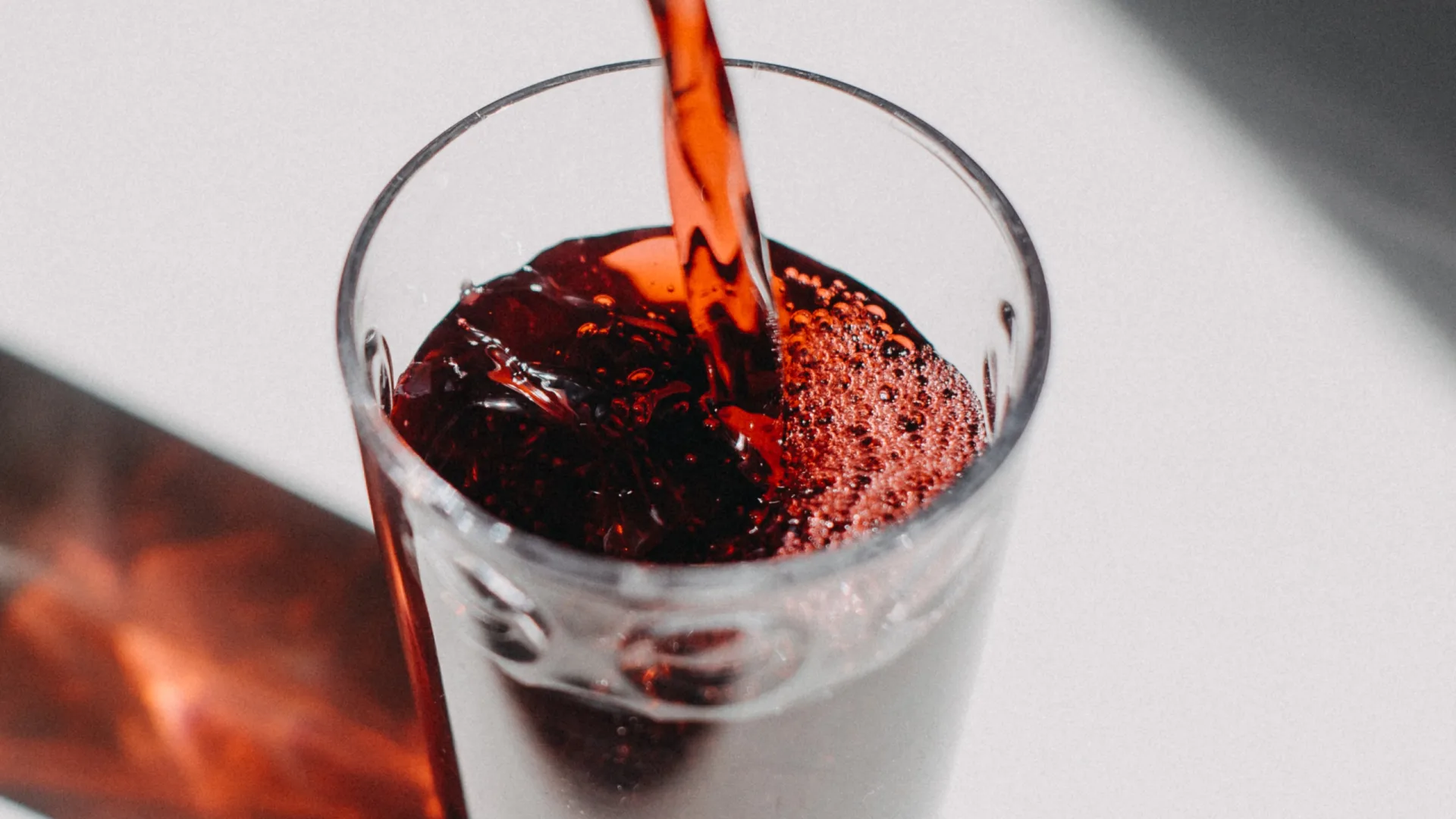
Acidity can harm enamel over time.
But some research shows cranberry juice may reduce dentin erosion due to PACs.
PACs may lower overall acid load by reducing bacterial activity in the mouth.
What the Researchers Say
Christine Wu, a pediatric dentist at the University of Illinois Chicago, says the findings challenge common beliefs.
She notes: Most people think of cranberry juice as very sour, very acidic and sugary, and therefore may not contribute positively to oral health.
She adds: This study found the opposite.
The team suggests using non-cariogenic sweeteners — like stevia or monk fruit — to improve taste without losing benefits.
Why This Matters
Plaque causes cavities and gum disease.
Current care relies on brushing, flossing, and fluoride.
If cranberry juice helps block plaque, it could become a functional food with real oral benefits.
It’s simple and accessible — especially for those who already drink it.
But it should not replace proven dental habits.
What to Watch Next
Larger, longer studies are needed to confirm these results.
Future research should check if regular juice drinking reduces cavities over time.
Studies should compare juice, extracts, and supplements to find the best form.
Scientists need to confirm whether PACs or other compounds drive the benefits.
For now, the findings offer early evidence that cranberry juice may support oral health — not a replacement for brushing and flossing.
Original source: ScienceAlert
For more on health-related science, see New Study Finds Cat Parasite Can Infect Humans.
Sources & further reading
Featured image: Cranberry Juice Appears to Suppress Dental Plaque Growth, Study Reveals. Via original publisher. Image source