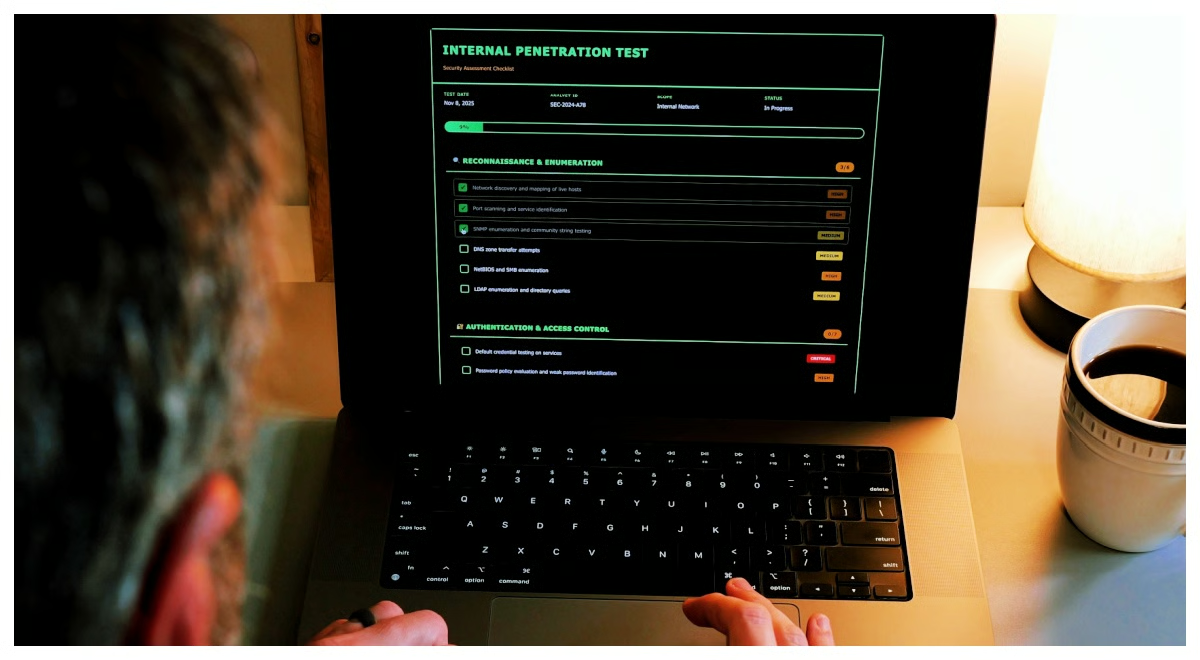
The number of cybersecurity firms in the Netherlands has more than quadrupled in five years. Source: cybernews.com.
What Has Driven This Growth?
Data from the Commercial Register shows a sharp rise. In early 2020, there were slightly over 100 registered firms.
The growth reflects rising demand for digital security services.
Laws like GDPR and NIS2 have raised compliance expectations. These rules require businesses to protect data and secure critical systems.
AI tools now help detect threats faster. They analyze network data in real time, spotting anomalies before they become attacks.
As a result, firms can respond to vulnerabilities in minutes—not days.
What Do These Firms Actually Do?
Cybersecurity firms offer key services to businesses.
- Provide advice on securing digital systems and data
- Investigate cyberattacks to find causes and scope
- Train employees to spot phishing and social engineering
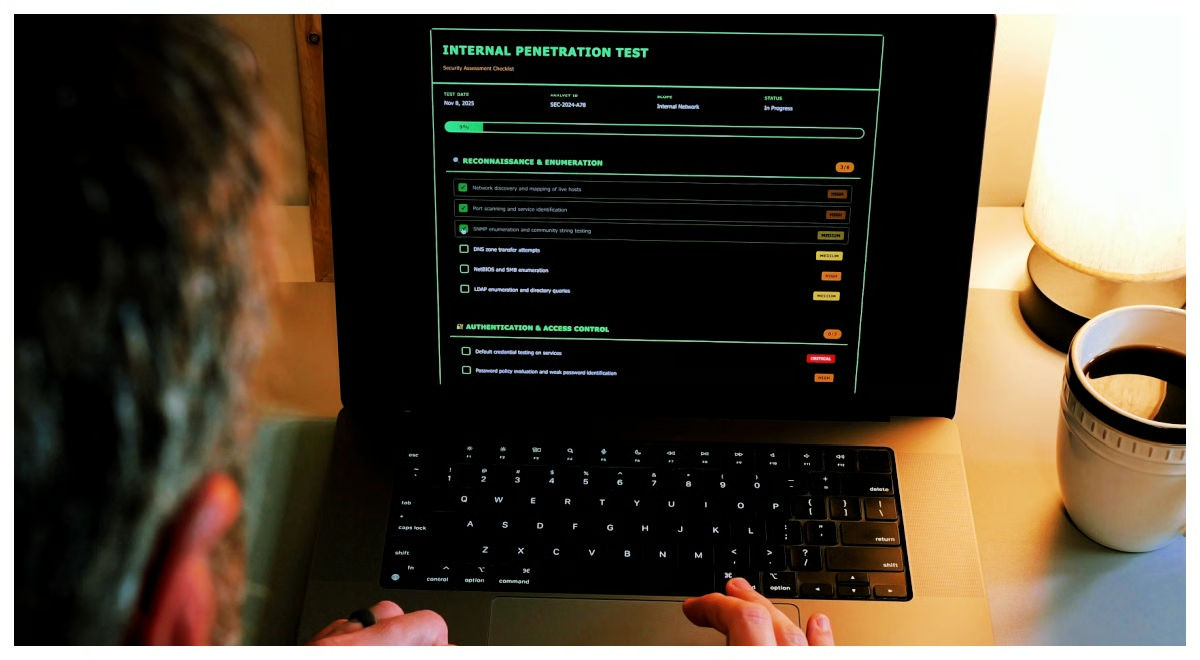
- Run regular tests to find system weaknesses before they are exploited
For example, a retail chain might use these services to secure payment systems or meet data protection standards.
In logistics, cybersecurity helps protect customer data across complex supply chains.
Real-World Incidents Highlight the Need
In February, telecom provider Odido said 6.2 million users had had their data stolen and posted online.
The data included names, addresses, and phone numbers. It shows how poor data handling can lead to large-scale breaches.
Later, CEVA Logistics warned clients that customer data had been compromised.
Brands like De Bijenkorf, bol, Ajax, ING, Ace & Tate, and the Pokémon Center were affected.
A cybersecurity expert said such breaches show how even large companies face attacks on supply chain systems.
Earlier this month, Ahold Delhaize confirmed a network flaw in its U.S. operations.
Brands like Food Lion, Giant Food, Hannaford, Stop & Shop, and The GIANT Company were impacted.
The company said it is working with experts to contain the issue and stop further exposure.
Responsibility Remains With Businesses
The National Cyber Security Centre (NCSC) says businesses must manage their own cybersecurity.
Even with external support, companies must make key decisions about policies, response plans, and internal controls.
They must train staff, update systems, and manage access rights properly.
The NCSC says cybersecurity is an ongoing process—not a one-time project.
Anton Mous, a journalist at Cybernews, notes that the rise in firms shows growing awareness of digital risks.
He says this shift is about building resilience, not just meeting legal requirements.
The trend in the Netherlands reflects a global rise in digital threats.
As more systems go online, demand for cybersecurity professionals will keep growing.
For readers concerned about digital safety, understanding these firms and the rules behind them is essential.
More information on AI-era risks can be found here.
For insights into warning signs before major incidents, see this article.
Sources & further reading
Featured image: Netherlands sees the number of cybersecurity firms skyrocket amid rising threats. Via original publisher. Image source