Detroit’s bars hide behind ordinary doors. This is not just style. It’s history. Source: independent.co.uk.
From Bootleggers to Bars
Before Motown or car culture defined Detroit, the city earned another name: Whiskeytown. In the early 20th century, Detroit was not just a manufacturing hub—it was a smuggling epicenter. As Michigan went dry in 1918—nearly two years before the U.S. enacted national Prohibition—local bootleggers found themselves in a unique position. With the state’s dry law in place, they had a head start over their national counterparts. The Canadian side of the Detroit River, meanwhile, remained legally open to alcohol production, making the river a natural conduit for illicit trade.
Historians estimate that approximately three-quarters of all liquor smuggled into the United States during Prohibition crossed the Detroit River. This made Detroit the unofficial gateway to American bootlegging. The city’s geography—its proximity to Canada, its industrial infrastructure, and its dense network of backstreets—provided ideal conditions for a thriving underground economy. The demand for alcohol was immense, especially in urban centers where social life revolved around drinking. As a result, thousands of illicit drinking dens, known locally as Blind Pigs, sprang up behind barber shops, warehouses, and ordinary service buildings. These weren’t just bars—they were part of a broader culture of secrecy, necessity, and community.
The Role of the Model T
During Prohibition, Detroit’s bootleggers needed vehicles that could endure harsh conditions—rough roads, freezing winters, and unpredictable terrain. The Henry Ford Company’s Model T emerged as the ideal solution. Built with durability and simplicity in mind, the Model T was lightweight, mechanically reliable, and easy to maintain. Its design made it uniquely suited to the demands of smuggling operations. In winter, when the Detroit River froze solid, bootleggers could cross the ice with minimal risk of damage. The Model T’s relatively light frame allowed it to traverse the frozen surface without breaking or sinking, unlike heavier vehicles that might have been at risk.
A letter from Clyde Barrow, of Bonnie and Clyde fame, to Henry Ford, preserved in the Henry Ford Museum archives, reads: ‘Even if my business hasn’t been strictly legal… it don’t hurt anything to tell you what a fine car you got.’ While this letter was not part of Ford’s official marketing, it reflects the deep cultural connection between the automobile and the illicit economy of the time. It also shows how bootleggers viewed the Model T not merely as a vehicle, but as a symbol of freedom and mobility.
Modern Bars and Hidden Doors
Today, Detroit’s bars still use secrecy as a design feature. This isn’t merely aesthetic—it’s a continuation of a cultural tradition. Bad Luck bar, for instance, has a plain metal door with a painted snake. A hidden bell, pressed with a simple gesture, opens it. Once inside, the atmosphere is intimate—low lighting, dark walls, and a soaring back bar create a sense of exclusivity. Bartenders don’t just serve drinks; they engage in sensory rituals. Robert, the bartender, sprays a fragrance onto the back of a guest’s hand before serving an Afterglow cocktail. He says, ‘Trust me. This opens up your palate and enhances the flavour.’
This practice echoes the bootlegger experience, where the sensory elements—smell, taste, and ambiance—were central to the ritual of drinking. In the past, bootleggers often used scent and texture to create a more immersive experience, turning drinking into a form of performance. The use of fragrance in modern Detroit bars is a subtle but powerful nod to that legacy. It transforms the act of drinking into something more than consumption—it becomes a cultural reenactment.
Corktown and the Legacy of Arrival
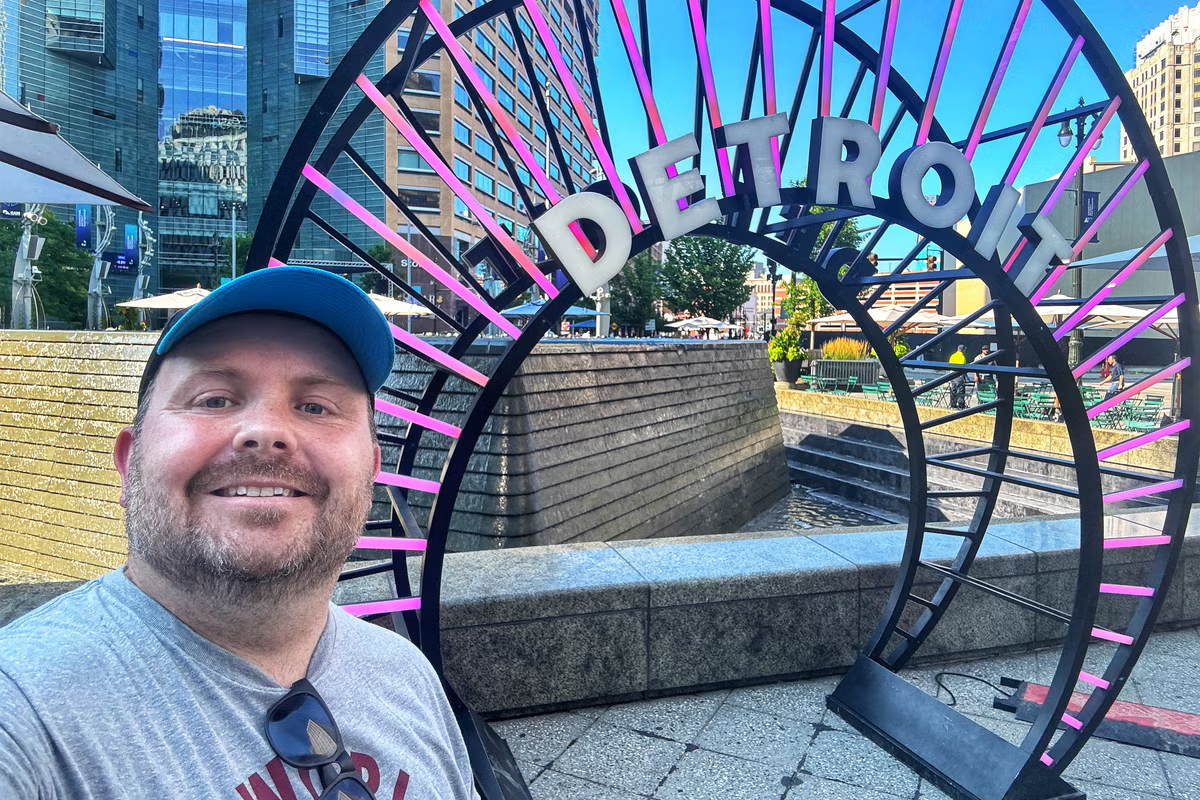
Corktown, Detroit’s oldest neighborhood, was founded by Irish immigrants in the 1830s, drawn by the city’s burgeoning industrial economy. The neighborhood has long been a place of arrivals—of people, goods, and ideas. Today, it remains a vibrant hub of independent retail and hospitality. The brick buildings that once housed factories and warehouses now house boutique shops, tie-dye experiences, and bars that carry on the speakeasy tradition.
Many of these businesses are now owned by Black and LGBTQ+ entrepreneurs. These communities have found a foothold in Corktown due to comparatively affordable rents and a culture of creative experimentation. The neighborhood’s history of welcoming diverse populations has made it a natural incubator for new business models. This inclusivity is not just a social trend—it’s a reflection of Detroit’s broader cultural identity, one rooted in resilience and reinvention.
Sugar House and the Bootlegger’s Storage
Halfway down Michigan Avenue, the Sugar House bar stands on a site that once served as a bootlegger’s storage facility. During Prohibition, the underground economy relied on discreet, secure spaces to store and distribute alcohol. The Sugar House, named after these hidden storage levels, was once a place where bootleggers kept their wares in secret. Today, it operates as a full-service bar with a menu that blends classic cocktails with modern, playful twists. The Midnight Munchies cocktail, for example, draws inspiration from taco trucks and gummy bears—offering a menu that reflects Detroit’s evolving food culture.
Grey, the mixologist, explains: ‘We’re here to surprise people. That’s what Detroit does.’ This philosophy is not just about menu design—it’s about cultural expression. The bar’s menu is a living document of the city’s identity: bold, irreverent, and full of local flavor. It mirrors the spirit of the bootleggers—unconventional, unapologetic, and deeply rooted in community.
Michigan Central Station: A Symbol of Revival
Michigan Central Station once served as Detroit’s main gateway for arrivals. By the 1980s, however, the station had become a symbol of decline. It closed in 1988 and sat abandoned for decades, its grandeur slowly eroded by time and neglect. The building was saved from demolition because the city could not afford to maintain it.
Restoration crews spent two years removing millions of liters of water that had accumulated in the building’s flooded lower levels. The work was meticulous—each beam, wall, and floorboard was restored to its original state. Today, the station’s bright concourse is filled with cafes, exhibitions, and co-working spaces. Plans are underway to reintroduce rail services, and the building is being reimagined as a cultural and transportation hub.
Though rumors persist about a tunnel beneath the station—used by bootleggers to move goods across the river—no official records have confirmed its existence. Still, the station’s revival is a powerful metaphor for Detroit’s broader transformation. It is not a smooth, linear progress. It is a story of decline, abandonment, and then, with determination, revival. The graffiti that still remains on some walls is a reminder that Detroit’s history is not one of steady growth, but of cycles—of rise and fall, of loss and rebirth.

Drinks That Remember the Past
Detroit’s cocktail culture has deep roots. The Last Word, a cocktail that first appeared on the menu of the Detroit Athletic Club in 1916, vanished from public menus for decades. It was rediscovered during the modern craft cocktail revival of the 2010s. The drink is now served at The Shelby, a speakeasy located inside a former bank vault. Guests enter through a concealed doorway behind a mock cafe, then pass through enormous circular vault doors into low-lit drinking rooms.
These spaces mirror the original bootlegger environments—private, secure, and immersive. The Last Word cocktail itself is a tribute to the city’s past. It combines a blend of gin, simple syrup, and a touch of bitters, with a hint of citrus. The drink is not just a cocktail—it is a cultural artifact, a living piece of Detroit’s history.
What This Means Today
Detroit’s bars don’t just serve drinks. They serve memory. They take existing structures—abandoned buildings, old factories, hidden doors—and give them new life. Like Michigan Central Station, they are not merely restored. They are reimagined. The city’s greatest talent is not just economic recovery. It’s creative reuse. Hidden doors, old tunnels, and vintage cars are not relics. They are tools for reinvention.
Every bar, every restored building, every cocktail with a historical name is a statement: that Detroit has always been a city of transformation. It doesn’t just adapt to change—it embraces it. The past isn’t just history. It’s infrastructure. It’s culture. It’s still in motion.
How to Visit
- Delta flies daily from London-Heathrow to Detroit, taking about eight hours and thirty minutes.
- Domestic flights connect Detroit to over 50 U.S. cities via Delta Connection and Frontier.
- The People Mover and Q Line offer free rides between Downtown and the riverfront.
- The Henry Ford Museum in Dearborn is best reached by rental car or rideshare.
- Visa and MasterCard are widely accepted. Some speakeasies remain cash-only.
- Holafly eSIM is a good option for keeping phone roaming costs low.
Detroit is featured in several Michigan itineraries with Discover North America, a regional travel specialist.
Phil Thomas’s visit was supported by Pure Michigan and Visit Detroit.
Some journeys across the river have simply become easier to explain. The past isn’t just history. It’s infrastructure. It’s culture. It’s still in motion.
Sources & further reading
Featured image: original publisher image. Via original publisher. Image source