Japan’s tourism boom continues, with 36.9 million international visitors in 2024. While Tokyo, Kyoto, and Osaka dominate travel itineraries, these megacities are increasingly crowded—long lines, high prices, and commercial saturation make them feel overwhelming.
As travelers seek deeper, more personal experiences, more are turning to Japan’s lesser-known destinations. These places offer a slower, more authentic rhythm—where tradition and nature coexist in unspoiled harmony.
Naoshima: Art in the Sea
Naoshima, a small island in the Seto Inland Sea, is a living museum. World-class art blends with the natural landscape. Visitors see Yayoi Kusama’s dotted pumpkins by the water’s edge and Tadao Ando’s minimalist structures carved into hillsides.
Tisha Neufville of Neufville Travel says the Seto Islands offer more than Naoshima. Islands like Teshima and Shodoshima host diverse installations and galleries—dynamic, evolving expressions of Japanese aesthetics and global art.
Best to visit in spring, early summer, or late autumn. The fall session—September to November—is now open for tickets. This is a key opportunity to see a large-scale art event.
Access requires a multi-leg journey: train from Kyoto or Shin-Osaka to Okayama, then car transfer to Uno Port. A ferry takes you to Naoshima’s Honmura Port. The journey offers scenic views and a smooth transition from city life to a contemplative environment.
Where to Stay
- Naoshima Ryokan ROKA: This minimalist ryokan has 11 rooms made of wood, washi, and tatami. Each features a sunken bathtub with glass walls opening to green views. The design honors natural materials and quiet elegance.
- Benesse House: Since 1992, this museum and hotel has expanded to 65 guest rooms. Designed by Tadao Ando, it features clean lines and open spaces. Art is curated throughout—corridors, bedrooms, dining areas, and gardens—creating a seamless, harmonious experience.
Hiroshima: History and Peace
Hiroshima was devastated in 1945 by one of two atomic bombs dropped by the U.S. during World War II—the other exploded in Nagasaki on Kyushu. The city’s ruins now stand as a symbol of resilience and peace.
The Hiroshima Peace Memorial Park preserves the Genbaku Dome, one of the few buildings that survived. Diana Lara of First in Service calls it a ‘testament to human endurance and peace.’
From the park, a ferry takes you to Miyajima Island. There, the floating torii gate of Itsukushima Shrine appears to drift on the water—a cultural icon and a powerful image of Japanese heritage.
Other highlights include Hiroshima Castle, originally built in the late 14th century. Though the original was destroyed, a reconstruction now stands as a symbol of historical continuity.
Where to Stay
- Iwaso: A traditional ryokan in the city’s heart. It offers tatami rooms, wooden beams, and a quiet, intimate atmosphere. Ideal for those who want to stay close to the city’s cultural core.
- Azumi Setoda: A 140-year-old estate on Ikuchijima Island. Revitalized by Adrian Zecha (of Aman fame) and architect Shiro Miura, it features dark timber, curved roof tiles, and gardens where local craftspeople showcase their work. It blends history with modern refinement.
Yakushima: Nature and Isolation
Yakushima, a subtropical island in southern Japan, is home to 7,000-year-old cedar forests. These ancient trees grow in misty, moss-covered trails and support rich biodiversity.
Duncan Greenfield-Turk says the island offers a ‘slow, elegant island life.’ Travelers can take multi-day treks through moss-covered landscapes or explore coastal trails. The terrain is rugged but deeply rewarding.
Local cuisine celebrates the island’s environment. Dishes like flying fish, island-grown tea, and yuzu citrus reflect seasonal cycles and deep respect for local traditions.
Visit in spring (April–May), summer (June–July), or autumn (late fall). Spring offers pleasant weather and blooming. Summer brings sea turtles laying eggs. Autumn offers cooler weather and excellent visibility.
Travel by domestic flight or scenic ferry from Kagoshima. The ferry journey offers scenic views and a more immersive experience than flying.
Where to Stay
- Sankara Hotel & Spa Yakushima: Perched on a hilltop, this luxury retreat offers ocean views and a culinary program blending French techniques with seasonal island produce. Rooms have high ceilings and dark cedar walls with uninterrupted sea views. The open-kitchen French restaurant and Thai-style spa offer both relaxation and culinary excellence.
Kiso Valley: A Historic Route
The Kiso Valley preserves Edo-period post towns and the Nakasendō—a 17th-century road connecting Edo (modern Tokyo) to Kyoto. This route was once a vital trade path and remains a testament to Japan’s historical infrastructure.
Jason and Scott Gilman of JapanQuest Journeys say the valley offers a deep connection to rural Japan. Visitors can explore preserved post towns, walk ancient trails, and enjoy the region’s natural beauty.
Best to visit in spring (April–June) or autumn (October–November). Spring offers mild weather and blooming flowers. Autumn brings comfortable weather and vibrant fall foliage.
Access takes about 90 minutes from Nagoya, reachable via the Shinkansen. It’s a convenient stop for travelers from both Tokyo and Kyoto.
Where to Stay
- Momosuke Bridge Restaurant: Located beside the historic Momosuke Bridge, this converted restaurant has a bar-style kitchen and spacious living areas with sweeping valley views. The atmosphere is relaxed and welcoming.
- Earthen Storehouse in Ina Valley: A century-old storehouse has been restored with audio equipment, a wood-burning stove, and a deck facing the Southern Alps. It offers a rare blend of history and modern comfort.
- Farmer’s House near Tenryukyo Gorge: A 130-year-old farmhouse near the gorge has three tatami bedrooms, an irori sunken hearth, and a traditional wood-fired iron bath under the stars. Ideal for larger groups or those seeking rural authenticity.
- Byaku in Narai: A traditional Japanese inn in Narai. It offers a calm, simple experience that reflects the values of hospitality and simplicity.
Wazuka: Tea and Tradition
Wazuka is renowned for its private tea plantations and deep-rooted tea culture. Mountain views and tea fields create a picturesque backdrop for those interested in agriculture and tradition.

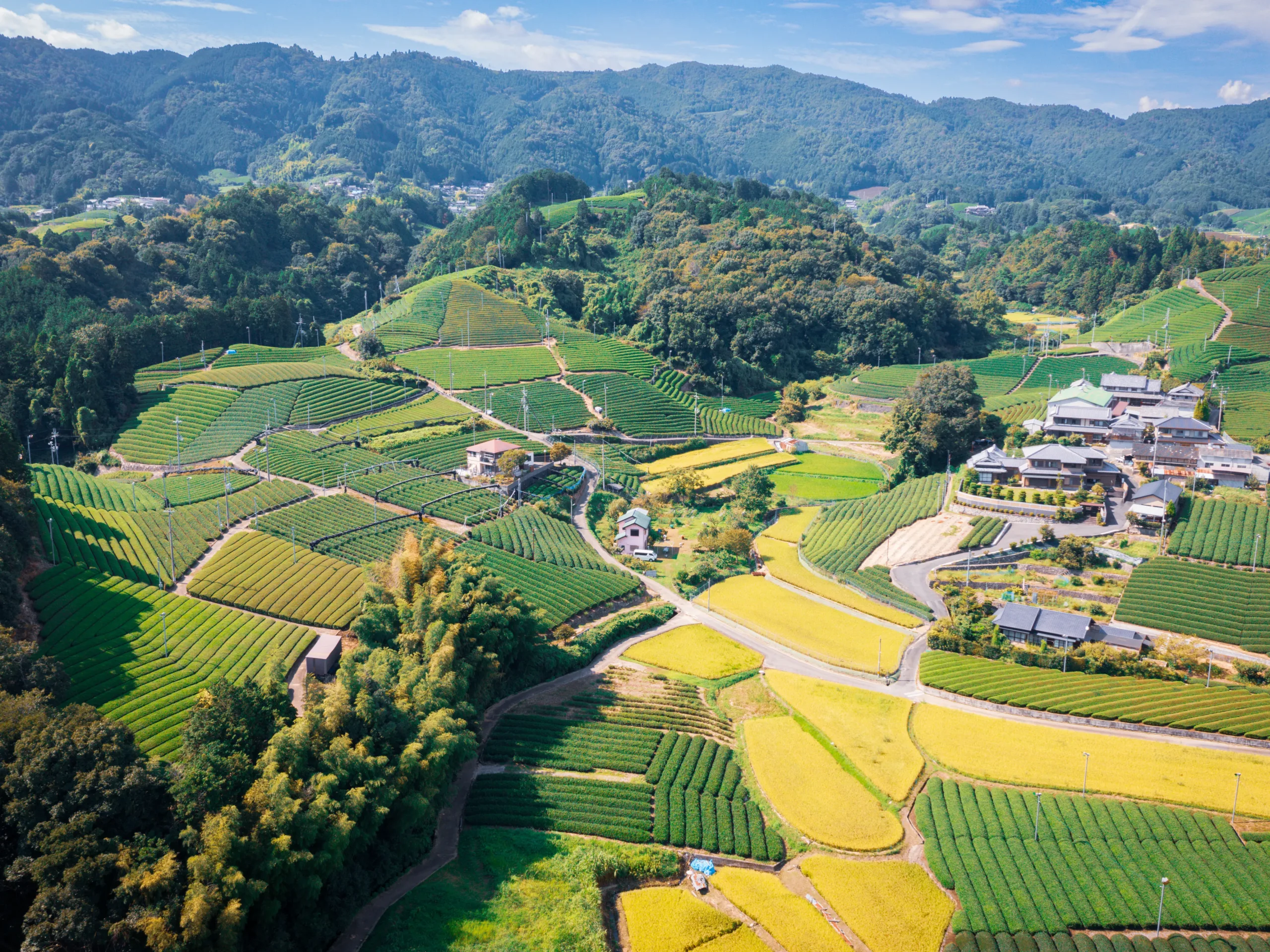
Jason and Scott Gilman note that tea cultivation here is a cultural practice—not just a commercial one. Visitors can learn about planting, harvesting, and processing through guided tours and hands-on experiences.
Wazuka is a short day trip from Kyoto—just one hour by car. Public transport is also available: a bus from Kamo Station (in Nara) connects directly to the tea plantation.
Best to visit between March and October. During this time, the first tea harvest turns the landscape green. Visitors can witness tea picking, participate in processing, and enjoy a tea-lunch pairing with matcha.
Where to Stay
- Imadegawa Townhouse: A traditional-meets-modern townhouse overlooks a serene Japanese garden near Imadegawa underground station. It balances modern comfort with traditional aesthetics.
- Uji Riverside Villa: In the historic tea town of Uji, this property sleeps up to eight and is close to Byodo-in Temple. It offers a blend of tea culture and spiritual reflection.
- Shigaraki Guesthouse: In Shiga Prefecture, this renovated guesthouse offers 1,200 years of ceramic heritage. On-site, a traditional climbing kiln and wood-lined ceramic bath provide immersive experiences in Japan’s craft traditions.
Hokkaido: Food and Adventure
Hokkaido, Japan’s second-largest island, offers natural beauty and culinary excellence. The island’s vast landscapes—from snow-covered mountains to lush forests—are ideal for outdoor lovers.
Tisha Neufville of Neufville Travel highlights the island’s food scene: fresh seafood, premium dairy, and high-quality meat from local farms. Sapporo is especially known for its ramen—some of the best bowls in Japan.
Seasonal experiences vary. Winter is ideal for skiing in Niseko and the annual snow sculpture festival in Sapporo. Spring offers a ramen show and lavender fields in Furano. Autumn brings stunning foliage and onsen experiences in forested areas.
Travelers fly into Tokyo or Osaka, then connect to New Chitose Airport (CTS) in Sapporo. The airport provides smooth access to the island’s interior.
Where to Stay
- Zaborin: A contemporary ryokan near Niseko. Praised for exceptional service, beautifully designed rooms, sumptuous hot springs, and excellent food. It blends modern luxury with traditional Japanese hospitality.
- Chalet Ivy Jozankei: Located in a forested area, this ryokan offers private hot spring tubs and a restaurant blending classic Japanese flavors with subtle Western influences and fresh local ingredients. Rooms have floor-to-ceiling woodland views—whether snow-covered or green.
Iya Valley: Rugged Beauty
Iya Valley, on Shikoku—the smallest of Japan’s four major islands—is one of the country’s most remote and unspoiled areas. It features lush greenery, deep gorges, and vine bridges that stretch across the landscape.
Duncan Greenfield-Turk says the valley transports visitors to an earlier era of Japan. The vine bridges—literally made of vines—are functional and historically rooted, showing rural Japanese ingenuity.
For adventurous travelers, the Iya Kazurabashi and Oku-Iya Kazurabashi are iconic. These bridges have steep inclines and dramatic views. Visitors who are not afraid of heights can walk across them, gaining a deep sense of connection to the land.

The cuisine reflects local rivers and mountains—using wild vegetables and river fish, often prepared in traditional kaiseki style.
Travelers fly to Tokushima from Tokyo or Osaka, then drive two hours to Iya Valley. The journey offers scenic views and a smooth transition from city life to a rugged, natural environment.
Where to Stay
- Iya Onsen: A mountain-side ryokan with open-air hot baths overlooking the gorge. Rooms have tatami mats, futon beds, and terraces. Many offer outdoor baths. By night, the restaurant serves seasonal local produce in traditional kaiseki dinners.
Kakunodate: Small-Town Life
Kakunodate, known as Japan’s ‘Little Kyoto’ in the north, is a small town with deep cultural roots. It’s famous for samurai houses, cherry bark woodcraft, and preserved historic streets.
Duncan Greenfield-Turk emphasizes a slower, more contemplative rhythm. Visitors are more likely to meet locals and experience daily life without mass tourism.
Cherry blossoms bloom in April. Autumn festivals feature local food and fall foliage—events that are community-centered, with families cooking and sharing stories.
Accessible from Tokyo via the Akita Shinkansen, the journey takes under three hours. It’s a practical destination for travelers exploring northern Japan.
Where to Stay
- Wabizakura Ryokan: A beautifully designed modern ryokan with private open-air baths, refined kaiseki dining, and hospitality rooted in Akita traditions. It blends modern design with traditional values.
- Forest Club Denen: A timber-framed three-bedroom hideaway with an open-plan living area and terrace. It features a basement onsen for post-hike soaks—ideal for outdoor lovers.
- Arase Lodge: A homestay near Kitaakita, just 20 minutes from Ani Ski Resort. It offers parking, a ski gear drying area, and daily breakfast muffins from a local bakery. It offers a true sense of local community.
These destinations offer real, unfiltered slices of Japanese life. They avoid the crowds of Tokyo, Kyoto, and Osaka. They provide cultural depth, natural beauty, and authentic local experiences.
Each has clear access points, seasonal windows, and specific accommodations. Travelers can choose based on interest: art, history, nature, food, or rural culture.
For those seeking a more personal, less commercial Japan, these places are ideal. They reflect the country’s diversity beyond its megacities.
Source: Condé Nast Traveller
Sources & further reading
Featured image: original publisher image. Via original publisher. Image source